Best Air Purifiers for Seniors (2026): For COPD, Asthma, and Allergy-Sensitive Lungs
Lung function declines with age even without a diagnosis, which is why the same dust, pollen, or wildfire smoke that a healthy 30-year-old shrugs off can trigger a cough, wheeze, or genuine breathing trouble in someone older. A purifier sized and placed correctly does more for that than most people expect — one sized wrong, or run on the wrong setting, does almost nothing.
As an Amazon Associate I earn from qualifying purchases. We independently review products; buying through our links never costs you extra.
Best Overall
Levoit Core 400S Smart Air Purifier
Quick picks
| Product | Best for | Amazon |
|---|---|---|
| Levoit Core 400S Smart Air Purifier | Overall | Check price on Amazon |
| Coway Airmega AP-1512HH Mighty | a Bedroom | Check price on Amazon |
| Blue Pure 311i+ Max | a Larger Room | Check price on Amazon |

Our Top Picks
Chosen for seniors based on features, specs, and verified buyer reviews.
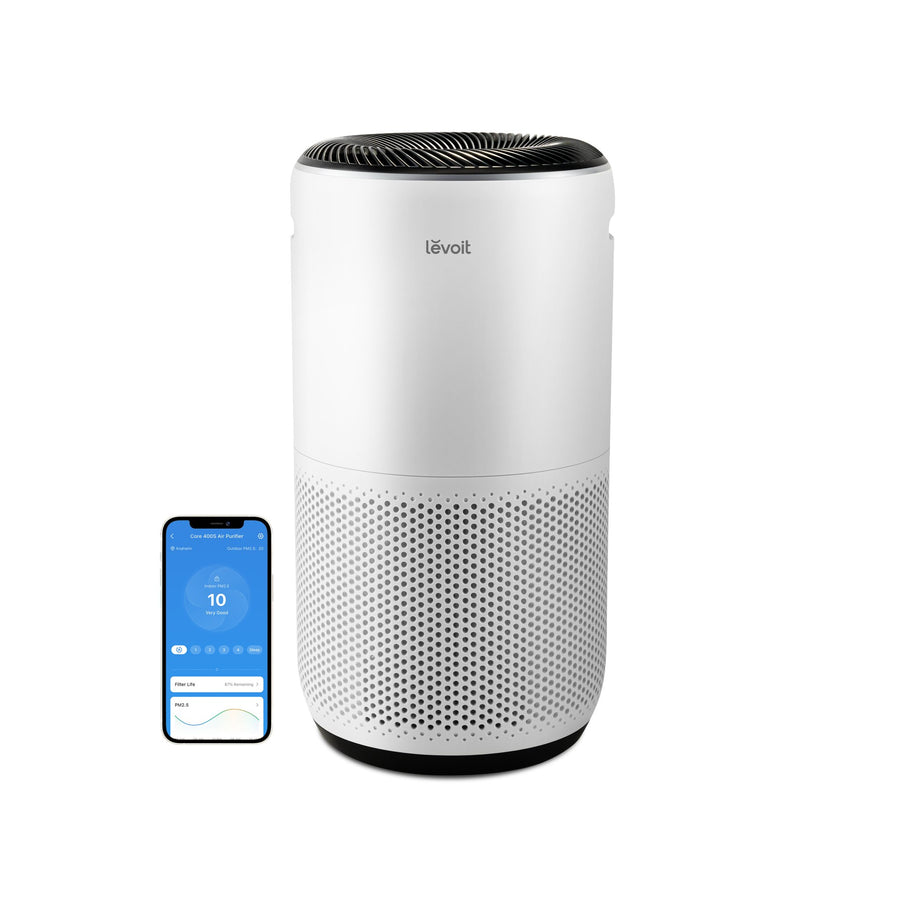
Levoit Core 400S Smart Air Purifier
- True 3-stage HEPA filtration
- Sleep mode dims display and lowers fan noise
- Large physical buttons, no app required to operate
- Mid-range filter replacement cost
- Not the quietest option at its lowest setting
- Smart/app features need Wi-Fi setup if you want them
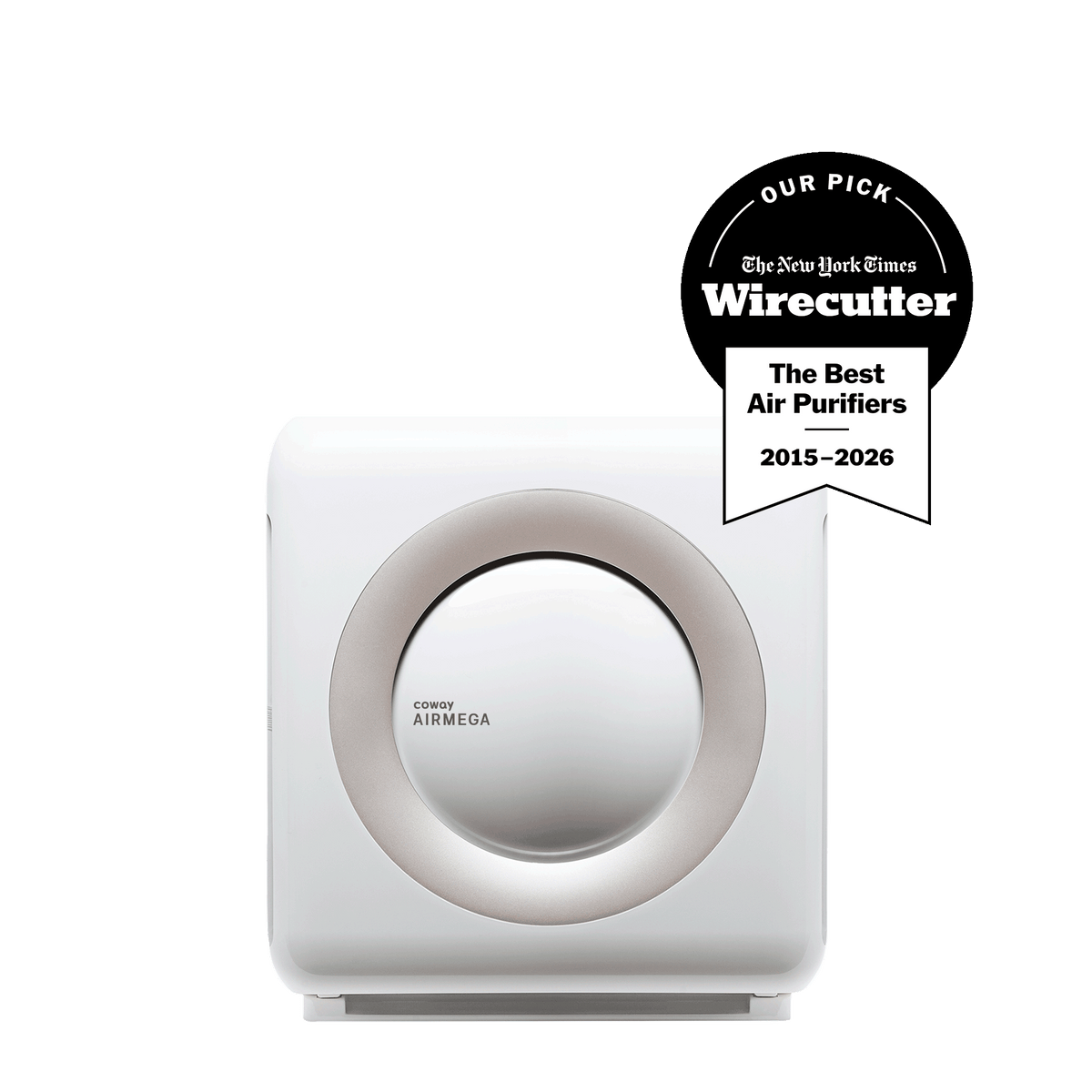
Coway Airmega AP-1512HH Mighty
- Quietest of the three at its lowest setting
- Wirecutter top pick for 10 consecutive years
- Washable pre-filter reduces ongoing cost
- Auto mode uses a real dust sensor
- Rated coverage (361 sq ft) is smaller than the Blue Pure
- Filter indicator light can be easy to miss if not checked periodically
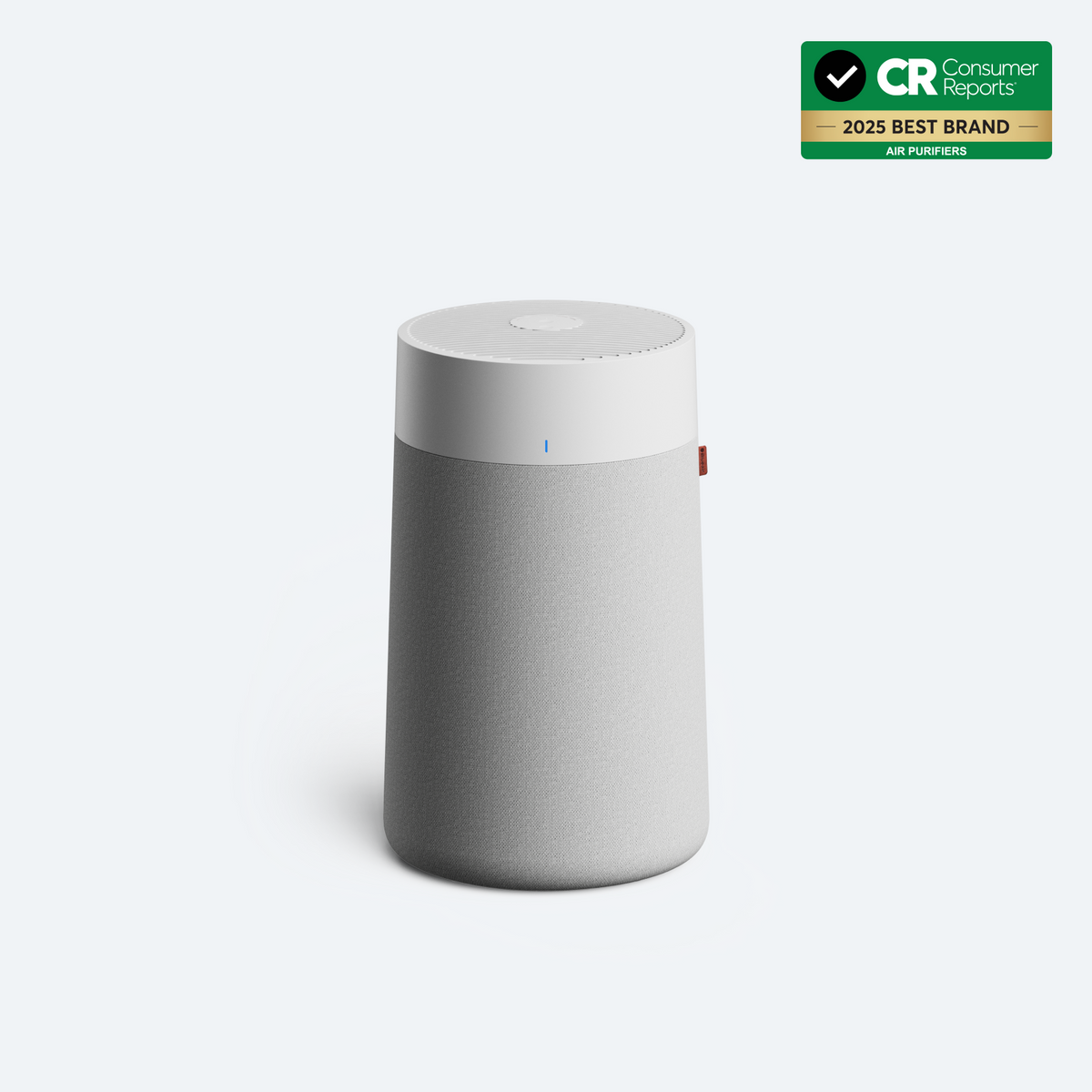
Blue Pure 311i+ Max
- Covers up to 465 sq ft
- 22 dB lowest sleep setting
- ENERGY STAR certified, cheaper to run continuously
- HEPASilent dual filtration
- Larger footprint takes up more floor space
- Costs more than the Coway or standard Levoit Core models
Air purifiers get sold on square-footage numbers and filter-stage counts, but the two things that actually determine whether one helps an older household are simpler: is it sized for the room it's actually going in, and will it get run on a setting that's quiet enough to leave on all day. A purifier rated for 1,500 square feet doing nothing but sitting on "low" in a 12x14 bedroom is underused. A purifier that's technically powerful enough but loud enough that someone switches it off at night to sleep isn't cleaning air for the eight hours it matters most. Our pick for most households is the Levoit Core 400S, which balances real HEPA filtration with a genuinely quiet sleep mode. For a bedroom specifically, the Coway Airmega AP-1512HH Mighty has been a Wirecutter top pick for a decade running and is the quietest of the three at its lowest setting. For a larger living room or open-plan space, the Blue Pure 311i+ Max covers more square footage without the noise climbing as fast as competitors.
Why this matters more after 60
Lung tissue loses elasticity with age, and the cilia that normally clear irritants out of the airway slow down too — so the same concentration of dust, pet dander, or smoke that a younger person's respiratory system handles without notice can sit in an older person's lungs longer and provoke more of a reaction. That effect compounds for anyone with diagnosed COPD, asthma, or a cardiovascular condition, where the American Lung Association and multiple pulmonology groups specifically recommend reducing indoor particulate exposure as a manageable, at-home piece of symptom control. It's not a cure for anything and it won't replace prescribed inhalers or medication, but for someone whose breathing gets worse on high-pollen days, during wildfire smoke events, or in a dusty older home, a correctly sized purifier is one of the few interventions that's genuinely within a family's control.
What actually matters when you're buying one
CADR and room size, not just square footage on the box
Clean Air Delivery Rate (CADR) measures how much filtered air a unit actually pushes out per minute, and it's a better number to compare across brands than the square-footage claim on the box, which manufacturers calculate differently. As a rule of thumb, buy for the room's actual square footage, not the largest room in the house — a purifier rated for 400 square feet running in a 150-square-foot bedroom will cycle that air far more often per hour, which matters more for allergy and COPD symptom control than raw coverage capacity sitting unused in a room too big for it.
Noise at the setting you'll actually use
Every purifier is quiet on its lowest setting and loud on its highest — the number that matters is the noise level at the speed someone will realistically run it overnight or during a nap. The Coway Mighty and the Blue Pure 311i+ Max are both built specifically around a low, near-silent sleep mode (the Blue Pure rates its lowest setting at 22 decibels, close to a whisper), which is the difference between a purifier that runs 24 hours a day and one that gets switched off because it's disruptive at bedtime.
Filter type and the real cost of ownership
True HEPA filtration is the standard worth insisting on — it captures 99.97% of particles down to 0.3 microns, which covers dust, pollen, pet dander, and most mold spores. What doesn't show up on the sticker price is filter replacement cost, which for some brands runs $50–$80 every six to eight months. Before buying, check what a replacement filter costs and how often the manufacturer recommends swapping it; a cheaper purifier with expensive proprietary filters can cost more over three years than a pricier unit with a longer-lasting or washable pre-filter.
Ozone and ionizer features — turn them off if there's asthma in the house
Some purifiers, including the Winix line, include an ionizing or "PlasmaWave" feature marketed as boosting particle capture. For most healthy adults this is a non-issue, but anyone with asthma, COPD, or general sensitivity to airborne irritants should turn that feature off — ionizers can produce trace ozone, which is itself a lung irritant and can counteract the benefit of the purifier for exactly the people who need it most. This is a setting to check and disable, not a reason to rule out an otherwise good purifier.
Our picks
Levoit Core 400S — Best Overall
The Core 400S pairs a true three-stage HEPA filter with a sleep mode that dims the display and drops fan noise for overnight use, which is the combination that actually gets a purifier run consistently rather than switched off. It's sized well for a bedroom or a mid-size living room, and Levoit's filter replacement cost sits in the middle of the market rather than at the premium end. The control panel uses large, high-contrast buttons rather than a touchscreen buried in a companion app, which matters for anyone who doesn't want to manage another smartphone app just to change a fan speed.
Coway Airmega AP-1512HH Mighty — Best for a Bedroom
The Mighty has been a Wirecutter "top pick" for ten consecutive years, which says more about consistent build quality than any single spec does. It's rated for rooms up to 361 square feet — right-sized for most bedrooms and many living rooms — and at its lowest setting it's the quietest of the three purifiers here, which is the feature that actually matters for a unit meant to run all night next to a bed. Its washable pre-filter cuts down on how often you're buying replacement filters, and an auto mode uses a built-in dust sensor to ramp the fan up only when it detects a real spike in particles, rather than running at a fixed speed regardless of actual air quality.
Blue Pure 311i+ Max — Best for a Larger Room
Rated for spaces up to 465 square feet, the 311i+ Max covers noticeably more square footage than the Coway or the standard Levoit Core models without a proportional jump in noise — its lowest sleep setting is rated at 22 decibels. It uses Blueair's HEPASilent dual filtration approach and is ENERGY STAR certified, which keeps the cost of running it continuously lower than less efficient models. It's the better choice for an open-concept living and kitchen area, or for anyone who wants one purifier to handle a bigger footprint instead of buying two smaller units for separate rooms.
A budget alternative worth knowing about: Winix 5510
If the goal is the lowest price for genuinely competent filtration, the Winix 5510 uses a four-stage system with a washable activated-carbon filter, which keeps ongoing filter costs down compared to fully disposable cartridges. It's AHAM-verified for larger rooms than the Coway and has a higher rated CADR, but it isn't quite as quiet at its lowest setting, and — as noted above — its PlasmaWave ionizing feature should be switched off for anyone with asthma or heightened sensitivity to airborne irritants.
Placement mistakes that quietly waste the purchase
Where a purifier sits changes how well it works almost as much as which model you buy. Pushing a unit into a corner or tight against a wall restricts the air intake and cuts effective output, even on a high fan setting — most manufacturers recommend at least a foot of open space on all sides. Running a purifier in a room with the door closed most of the day, but expecting it to clean air in the rest of the house, is a common and understandable mistake; a single unit only meaningfully cleans the room it's actually in, with the door open enough to let air circulate. And running any purifier on "auto" without ever checking whether the auto sensor is actually triggering the fan to speed up defeats the purpose in homes with a persistent low-grade source of dust or pet dander that the sensor may under-detect.
When a purifier isn't the right tool
It's worth being honest about the limits here. An air purifier filters particles already in the air — it does nothing for the source of ongoing indoor air problems like unaddressed mold behind drywall, a gas appliance that isn't venting properly, or high humidity that's feeding dust mites. If breathing symptoms are new, worsening, or severe, a purifier is a reasonable supporting step but not a substitute for seeing a doctor, and it won't fix a home with an underlying moisture or ventilation problem that needs its own repair.
Frequently asked questions
How often does the filter actually need replacing?
Most true HEPA filters need replacing every 6–12 months under normal use, sooner in a home with pets, a smoker, or heavy dust. Manufacturers build a filter-life indicator into most mid-range and higher units now, which is more reliable than going by the calendar alone since usage varies so much household to household.
Will a purifier help with a musty or moldy smell?
An activated-carbon layer can reduce some odor, but a persistent musty smell usually means an active moisture or mold source somewhere in the home, which a purifier doesn't fix. Treat lingering odor as a sign to find and address the source, not just filter around it indefinitely.
Is a bigger, more expensive purifier always better?
No — oversizing for the room mostly means paying for capacity that never gets used, and in some cases a larger unit is louder at comparable settings than a correctly sized smaller one. Matching the unit to the actual room, and prioritizing a quiet low setting over maximum rated coverage, produces better real-world results for most bedrooms and living rooms.
Do these need to run 24 hours a day to be worth it?
Continuous operation on a low or auto setting is what most manufacturers recommend and is where the noise level at that setting becomes the deciding factor, since a unit that gets switched off overnight loses most of its benefit during the hours someone is actually breathing that air while asleep. Running it only occasionally still helps during high-pollen or smoke days, but it's a smaller benefit than consistent use.


