Best Grab Bars for Seniors (2026): Bathroom Safety That Actually Holds
The best bathroom grab bars for seniors and aging parents — permanent wall-mounted bars, no-drill suction options for renters, and a flip-up bar for the toilet, plus the placement mistakes that make grab bars useless.
As an Amazon Associate I earn from qualifying purchases. We independently review products; buying through our links never costs you extra.
Our top pick
Moen Home Care 24-Inch Grab Bar
Quick picks
| Product | Best for | Amazon |
|---|---|---|
| Moen Home Care 24-Inch Grab Bar | — | Check price on Amazon |
| Vive Suction Cup Grab Bar | — | Check price on Amazon |
| Moen Home Care 30-Inch Flip-Up Grab Bar with Toilet Paper Holder | — | Check price on Amazon |
| Drive Medical Suction Cup Grab Bar | — | Check price on Amazon |

Our Top Picks
Chosen for seniors based on features, specs, and verified buyer reviews.
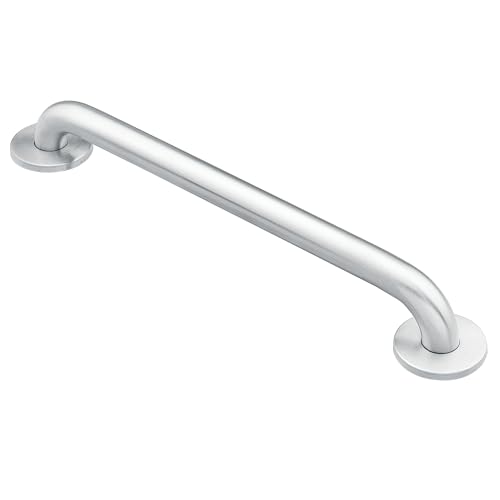
Moen Home Care 24-Inch Grab Bar
Check price on AmazonVive Suction Cup Grab Bar
Check price on Amazon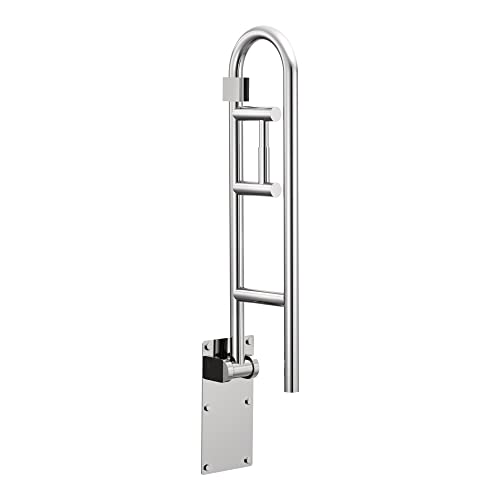
Moen Home Care 30-Inch Flip-Up Grab Bar with Toilet Paper Holder
Check price on Amazon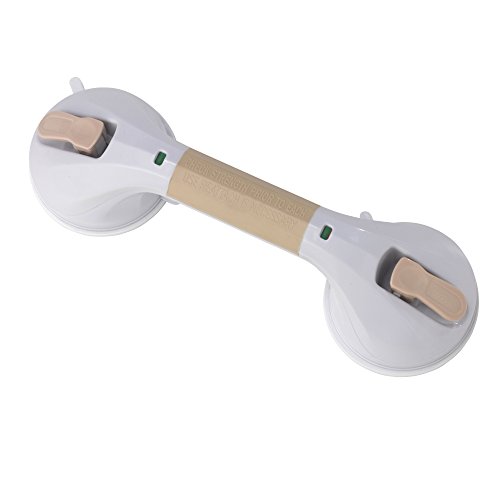
Drive Medical Suction Cup Grab Bar
Check price on AmazonThe best grab bar for most seniors is a permanently wall-mounted bar like the Moen Home Care 24-Inch Grab Bar, installed into wall studs or with proper anchors near the tub, shower, and toilet. For renters or anyone who can't drill into tile, the Vive Suction Cup Grab Bar is the best non-permanent option, though it comes with real limitations. A drilled bar and a suction bar solve different problems, and most bathrooms end up needing both.
Our top picks
Moen Home Care 24-Inch Grab Bar — Best Overall
Moen's Home Care line is rated to hold up to 500 pounds when installed correctly into wall studs or with the included concealed-screw anchors, well above what a person leaning or pulling to stand would ever apply. The stainless steel bar resists corrosion in a wet shower environment, and the concealed-screw design means there are no visible screw heads to catch a towel or a hand. This is the bar to put wherever someone needs to bear real weight — beside the toilet, at the shower entrance, or along the tub wall.
Check price on AmazonMoen Home Care 24-Inch Grab Bar
Vive Suction Cup Grab Bar — Best No-Drill Option
The Vive suction bar uses large locking suction cups instead of screws, so it works in a rental, a vacation stay, or any bathroom where drilling isn't an option. It has a built-in indicator that shows green when the suction is fully sealed, which matters because a partially sealed suction bar can let go under load without warning. It only works on smooth, non-porous surfaces — tile, glass, acrylic, or finished metal — and won't hold on fiberglass, textured tub surrounds, or anywhere near a grout line.
Moen Home Care 30-Inch Flip-Up Grab Bar with Toilet Paper Holder — Best for the Toilet
A flip-up bar solves a problem a fixed horizontal bar doesn't: it needs to be out of the way for a wheelchair or walker to pull alongside the toilet, then flip down to bear weight during a transfer. Moen's version folds up flush against the wall when not needed and includes a built-in toilet paper holder, so it doesn't add another thing mounted to an already-crowded wall.
Check price on AmazonMoen Home Care 30-Inch Flip-Up Grab Bar with Toilet Paper Holder
Drive Medical Suction Cup Grab Bar — Best for Travel
This telescoping suction bar adjusts from about 21.75 to 26.75 inches, which makes it easy to pack and reposition — useful for a senior who travels between their own home and a relative's house, or for testing bar placement before committing to a drilled installation. Like the Vive bar, it's a balance aid only, not a full body-weight support, and it needs to be checked before every use.
Check price on AmazonDrive Medical Suction Cup Grab Bar
Drilled vs. suction grab bars — what each one is actually for
A properly drilled grab bar anchored into wall studs is the only kind rated to bear a person's full body weight during a fall or a hard lean. Suction cup bars are explicitly balance aids: they help with steadying and light support on a smooth, dry-enough surface, but manufacturers are clear that they aren't designed to catch a falling person or bear full weight indefinitely. The mistake worth avoiding is treating a suction bar like a permanent, weight-bearing bar just because it's called a "grab bar" — check the suction indicator every single time, and if a bathroom surface is textured, fiberglass, or has grout lines where the bar needs to sit, skip suction bars entirely and go with a drilled installation instead.
Where to actually put grab bars in a bathroom
Placement matters as much as the bar itself, and it's the step people skip. Inside the shower or tub, a vertical bar near the entrance helps with stepping over the tub wall, while a horizontal or diagonal bar along the back wall helps with standing up from a shower seat or the tub floor. Diagonal bars are often easier to grip through the full motion of sitting to standing than a purely horizontal bar. By the toilet, a bar on the wall beside the bowl — or a flip-up bar if there's a wall on only one side — supports the sit-to-stand transfer, which is one of the highest-fall-risk moments in a bathroom. Outside the shower, a bar near where someone dries off and dresses helps with balance while lifting a foot to put on pants or step into slippers, a moment that doesn't look risky but causes real falls.
What to look for when buying
- A stated weight rating. Look for a bar explicitly rated for at least 250–500 pounds, not just labeled "heavy duty" with no number.
- Stud-mounting hardware or a documented anchor system. A bar is only as strong as what it's screwed into — anchors alone in drywall or tile backer without hitting a stud are a common point of failure.
- A textured or knurled grip surface. Smooth stainless steel gets slippery when wet; a textured grip matters more than the bar's finish color.
- The right length for the motion, not just the wall space. A 12-inch bar is fine for a single steadying point; a 24- to 36-inch bar is better where someone needs to grip and slide their hand along a longer motion, like standing from a tub floor.
- Rust resistance. Stainless steel or a sealed powder coat holds up in a shower; painted or plated bars can corrode and weaken over a few years of daily steam and water.
Who each pick is for
Someone who owns their home and needs real, dependable support should go straight to a drilled bar like the Moen Home Care line — it's the only option built to bear full weight during an actual fall, not just a lean. A renter, or anyone staying somewhere temporarily, is better served by a suction bar like the Vive, with the understanding that it's a balance aid and needs its suction checked before every use. Anyone managing a toilet transfer with a walker or wheelchair should prioritize a flip-up bar over a fixed one, since a fixed bar in the wrong spot can actually block the approach. And a senior who splits time between two households — their own home and an adult child's — benefits from a portable telescoping suction bar like the Drive Medical, used as a stopgap between visits rather than a full replacement for permanent bars at their primary home.
Common mistakes to avoid
- Mounting into drywall or tile alone, without hitting a stud or using a rated anchor. This is the single most common reason a grab bar fails — it holds fine under a light touch and then pulls straight out of the wall under real weight.
- Using a towel bar as a grab bar. Towel bars are not rated for body weight and are a frequent cause of bathroom falls when someone reaches for one to steady themselves.
- Trusting a suction bar on the wrong surface. Textured fiberglass, tile with heavy grout lines, or any porous surface won't hold a reliable seal, even if the bar appears to stick at first.
- Skipping the pre-use suction check. A suction bar that held yesterday can lose its seal overnight from temperature changes or a slightly damp surface — check the indicator every time, not just at installation.
- Only installing one bar. A single bar by the shower entrance doesn't help with the toilet transfer or getting dressed afterward — most bathrooms need bars in two or three locations to cover the actual fall-risk moments.
Frequently asked questions
Can I install a grab bar myself, or do I need a professional?
A drilled bar going into exposed studs is a manageable DIY project with a stud finder, the right anchors, and a level. If the wall is finished tile or the studs aren't where they're needed, a handyman or occupational therapist familiar with home safety modifications can place the bar correctly and confirm it's anchored into something solid, not just drywall.
How high should a grab bar be mounted?
General guidance from ADA installation standards puts horizontal bars around 33 to 36 inches above the floor, but the right height depends on the individual's own height and reach. Testing the position with painter's tape before drilling, and having the person who'll use it try the reach, gets a more accurate result than following a fixed number.
Are suction grab bars actually safe, or just marketing?
They're safe for what they're designed for — light balance support on a smooth, dry, non-porous surface, checked before each use. They're not a substitute for a drilled bar for anyone who needs real weight-bearing support, and manufacturers are explicit that suction bars shouldn't be relied on to catch a fall.
Will Medicare or insurance pay for grab bar installation?
Original Medicare doesn't cover grab bars or their installation as a standalone purchase, though some Medicare Advantage plans include a home safety or over-the-counter allowance that can be applied. It's worth checking a specific plan's benefits directly, since coverage varies widely and changes year to year.
What's the difference between a grab bar and a shower rail or towel bar?
A true grab bar is tested and rated to bear significant body weight when properly anchored. Shower caddies, towel bars, and soap dish rails are not weight-rated and can pull off the wall under the kind of sudden grip force someone uses to catch themselves — they should never be relied on as a safety bar.
How many grab bars does a bathroom actually need?
Most home safety assessments recommend at least one bar inside the shower or tub, one at the toilet, and one at the shower or tub entrance — three points that cover stepping in, standing up, and transferring on and off the toilet. A larger bathroom or a person with more significant mobility limits may need additional bars along a longer walking path.
Falls are the leading cause of injury among older adults, and the CDC notes that more than one in four adults 65 and older falls each year, with many falls happening in the bathroom during exactly these transfer moments. Pairing grab bars with a shower chair or bath bench and a raised toilet seat where needed addresses the highest-risk moments together rather than one at a time.
The bottom line
A drilled, stud-mounted bar like the Moen Home Care 24-Inch Grab Bar is the right foundation for anyone who owns their home and needs dependable support, with a flip-up bar added at the toilet for transfers. Renters and anyone who can't drill should reach for a suction cup bar like the Vive, checked before every use and limited to smooth, non-porous surfaces. Whichever combination fits the bathroom, the goal is covering all three fall-risk moments — stepping into the shower, standing back up, and transferring on and off the toilet — not just the one spot that seemed obvious first. For a broader look at the rest of the bathroom, our bathroom safety products guide covers non-slip mats, night lighting, and other add-ons that work alongside grab bars.

