Best White Noise & Sound Machines for Senior Sleep (2026)
Sleep gets lighter and more easily interrupted with age, which means the furnace kicking on, a neighbor's car door, or a partner's CPAP hum matters more than it used to. A sound machine masks those interruptions instead of trying to eliminate them. Here's what's actually worth buying.
As an Amazon Associate I earn from qualifying purchases. We independently review products; buying through our links never costs you extra.
Best Overall
LectroFan EVO
Quick picks
| Product | Best for | Amazon |
|---|---|---|
| LectroFan EVO | Overall | Check price on Amazon |
| Hatch Restore 3 | Full Sleep Routine | Check price on Amazon |
| HoMedics SoundSleep | Budget | Check price on Amazon |

Our Top Picks
Chosen for seniors based on features, specs, and verified buyer reviews.

LectroFan EVO
- 22 genuinely non-looping fan and white noise sounds
- Simple dial controls — no app or Wi-Fi required
- USB powered, works with any charger or battery bank
- No wake-light or sleep-routine features
- No nature sounds beyond fan/white-noise variations
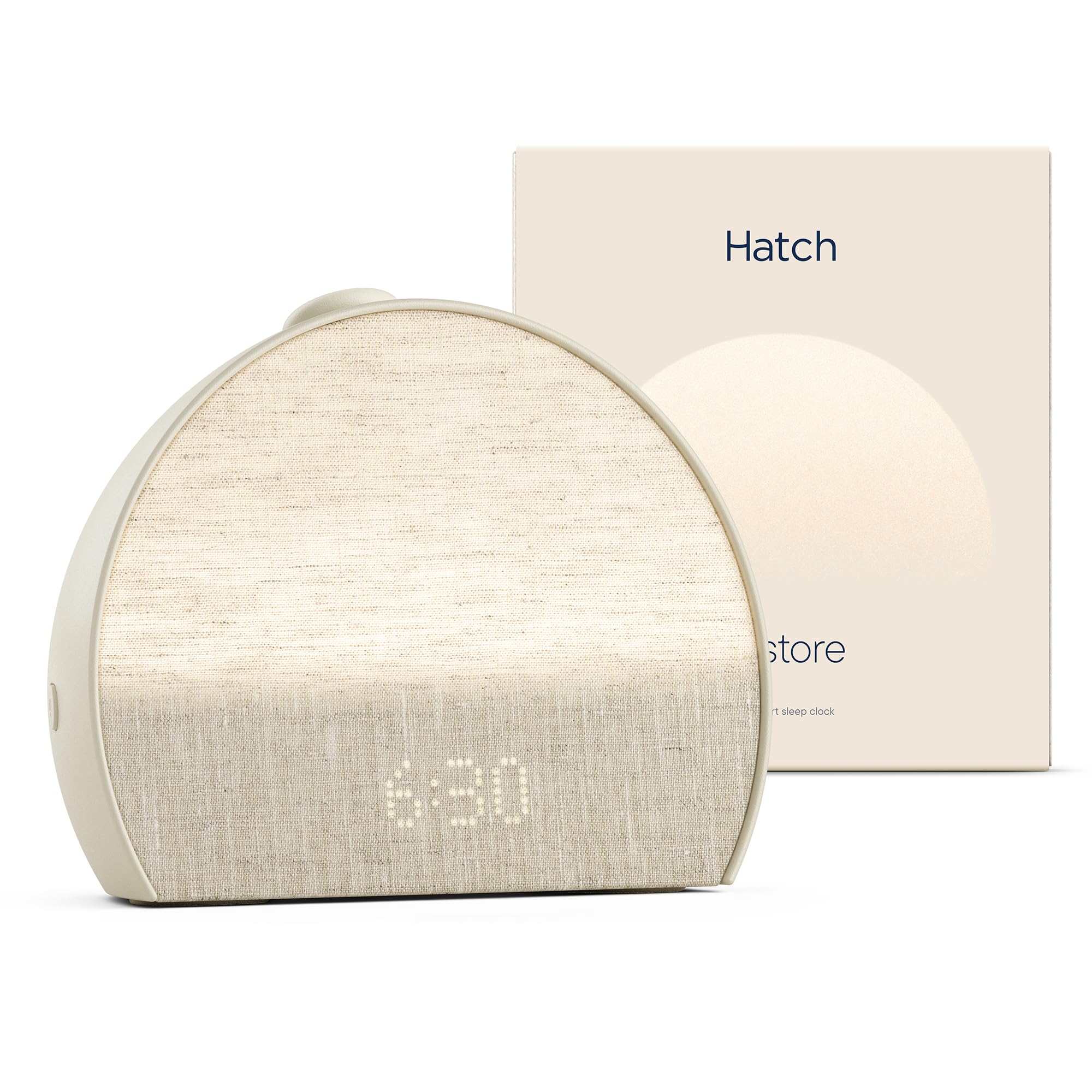
Hatch Restore 3
- Combines white noise, nature sounds, and a sunrise wake light
- Guided wind-down routine at bedtime
- Gentler, gradual wake-up than a standard alarm
- Requires Wi-Fi and an app to set up and control
- Higher price and more setup than a simple noise machine

HoMedics SoundSleep
- Low cost, simple dial interface
- Multiple nature sound options
- Good low-commitment way to test if a sound machine helps
- Sound loop point is more noticeable than on the LectroFan
- Fewer sound options overall
Why This Matters More As Sleep Changes
Older adults spend less time in deep sleep and wake more easily from minor sounds that a younger sleeper would never notice. That's not a sign anything is wrong — it's a normal part of how sleep architecture shifts with age — but it does mean small household noises cause more sleep disruption than they used to. A sound machine doesn't fix the underlying sleep-lightening; it masks the specific noises that trigger the waking, which for a lot of people is enough to make a real difference in how rested they feel.
Fan/White Noise vs. Nature Sounds vs. Full Sleep Systems
These devices split roughly into three tiers, and picking the right one depends on what's actually disrupting sleep and how much setup someone wants to deal with.
LectroFan EVO — Best Overall
The LectroFan line has been a mainstay in this category for years because it does one thing well: it generates genuinely non-looping fan and white noise sounds (22 total on the EVO version) rather than a short audio clip that repeats every 30 seconds, which is what makes cheaper machines start to feel grating after a few nights. It has no lights, no app, and no smart features — just a volume dial and a sound selector, which is exactly the point for a bedside device that shouldn't need troubleshooting at 11 p.m. It runs on USB power, so it works with any existing phone charger or a small USB battery bank during a power outage.
Check price on AmazonLectroFan EVO
Hatch Restore 3 — Best for a Full Wind-Down and Wake-Up Routine
This is a bigger investment and a bigger commitment to setup — it's app-controlled and combines white noise and nature sounds with a sunrise-simulating wake light and a guided wind-down routine at bedtime. For someone who wants more than noise masking — specifically help easing into sleep and waking up more gradually rather than to a jarring alarm — it's worth the added complexity and price. It's not the right choice for someone who just wants a simple noise machine with no app to manage, and the reliance on Wi-Fi and an app is a real downside if the household isn't already comfortable with connected devices.
Check price on AmazonHatch Restore 3
HoMedics SoundSleep — Best Budget
A straightforward, inexpensive sound machine with multiple nature-sound options (rain, ocean, white noise) and a simple dial interface. It doesn't have the non-looping sound engineering of the LectroFan, so on quiet nights some listeners can pick up on the loop point, but for the price it's a reasonable low-commitment way to find out whether a sound machine helps before spending more.
Check price on AmazonHoMedics SoundSleep
Placement and Volume Guidance
- Keep it 3-6 feet from the bed, not right next to the ear. Too close and the sound itself becomes the disruption; too far and it won't effectively mask the noises it's meant to cover.
- Match the sound to the actual disruption. A steady fan/white noise sound works best for masking sudden, variable noises like traffic or a partner's CPAP; ocean or rain sounds work better for people who find pure white noise harsh or clinical-sounding.
- Set it and leave the volume alone once dialed in. Constantly adjusting volume night to night makes it harder for the brain to treat the sound as background rather than something to notice.
Where This Fits With Other Bedroom Safety Products
A sound machine solves a noise problem, not a safety problem — it won't help with nighttime bathroom trips or getting in and out of bed safely. Pair it with the bed rails, motion-activated night lighting, and mattress guidance in our full bedroom and sleep products guide, and if the issue is more about feeling cold or needing gentle pressure to settle rather than noise, our weighted blankets guide covers that separate use case.
Where These Fall Short
A sound machine won't help with sleep apnea, restless legs, or pain-driven wakefulness — those need medical attention, not noise masking. And for someone with significant hearing loss who already struggles to hear alarms or a phone ring, adding background noise at night can occasionally make it harder to hear something that actually needs attention (a smoke alarm, a person calling for help). If that's a real concern in the household, keep volume conservative and test it before making it a permanent nightly habit.
How to Choose a Sound Machine for an Older Adult
The right machine depends less on the number of sounds it offers and more on how it fits into an existing bedtime. Work through these questions in order rather than shopping on features alone.
What is actually waking them up?
Pin down the disruption before spending anything. If it's a specific, sudden noise — a spouse's CPAP, a furnace, traffic, an early-rising neighbor — steady fan or white noise is the most effective mask. If the complaint is more "I just can't settle," a softer nature sound or a wind-down routine may matter more than raw masking power. Buying the wrong tier for the problem is the most common reason a sound machine ends up unused in a drawer.
How comfortable is the household with technology?
Be honest about this. A machine that relies on Wi-Fi and a phone app is only as reliable as the person who can reset it when the internet hiccups or an update changes the layout. For an older adult who lives alone and isn't phone-confident, a simple dial-controlled machine that does one thing every night without fail is almost always the better fit, even if it does less on paper.
Controls you can operate in the dark
The best test is whether someone can turn the machine on, adjust the volume, and turn it off without their glasses and without turning on a light. Large physical buttons or a single dial win here. Touch-sensitive panels and tiny multi-function buttons that cycle through modes are a frequent source of nighttime frustration — a half-asleep press lands on the wrong setting, and now the device is the thing keeping them awake.
Power and battery backup
A USB-powered machine can run off any phone charger and, importantly, off a small battery bank during a power outage — a real advantage for anyone who finds a silent, unfamiliar house harder to sleep in. Battery-only travel machines are handy for hospital stays, respite care, or visiting family, where the room's background noise is unpredictable and unfamiliar.
Common Mistakes to Avoid
- Buying on sound count. Twenty forgettable looping clips are worth less than three or four genuinely non-repeating ones. A person only ever uses one or two sounds night after night — the rest is marketing.
- Starting the volume too high. The instinct is to crank it up to bury every noise, but a loud machine becomes its own disruption and can mask sounds that genuinely need to be heard. Start low and raise it only if noises are still breaking through.
- Placing it on the nightstand right beside the ear. Too close and the sound stops being background. A few feet away, angled toward the room rather than the pillow, works far better.
- Choosing an app-only model for someone who doesn't want an app. If a family member has to be summoned every time a setting drifts, the machine is a liability, not a help.
- Expecting it to fix a medical sleep problem. A sound machine masks noise. It does nothing for apnea, restless legs, pain, or the frequent waking that can come with some medications — those are worth raising with a doctor.
Safety and Comfort Considerations
The single most important rule for an older adult's bedroom is that the machine should never drown out the sounds that matter. Keep the volume at a level where a smoke or carbon-monoxide alarm from elsewhere in the home, a ringing phone, or a partner calling for help would still cut through. This is especially important for anyone with existing hearing loss, who may already be operating with less margin. If a spouse relies on being able to hear the other person during the night — because of a heart condition, diabetes, or fall risk — test that the machine doesn't erase that ability before making it a permanent habit.
Comfort matters too. Some machines emit a faint LED glow or a status light that's trivial to a younger sleeper but genuinely disruptive to someone whose sleep is already lighter. Look for a model with a true lights-off mode, or place a small piece of tape over an offending indicator. And if the household includes a service animal or a light-sleeping pet, the sudden onset of certain sounds — or a self-timer that shuts off abruptly at 2 a.m. — can be more unsettling than helpful; a continuous, all-night setting is usually calmer than one that stops partway through the night.
Frequently Asked Questions
Is white noise or nature sound better for sleep?
Neither is objectively better — it comes down to what a specific person finds soothing versus grating. Steady white/fan noise tends to mask sudden noises more effectively; nature sounds are often preferred for their tone but loop more noticeably on cheaper machines.
Can a sound machine be too loud to be safe?
Keep volume at a level where a normal speaking voice or a smoke alarm from another room would still be audible over it — that's a reasonable practical ceiling, especially for anyone with reduced hearing.
Do I need the app-connected version?
Only if the wake-light and guided wind-down routine are genuinely wanted. For pure noise masking, a simple dial-based machine like the LectroFan does the core job with far less to manage.
Should the machine run all night or shut off on a timer?
For masking noise, running continuously all night is usually better. The brain adapts to steady background sound and treats it as neutral; a timer that cuts the sound off in the small hours can cause a waking at the exact moment the room suddenly goes silent. Use a timer only if the goal is simply to fall asleep and noise later in the night isn't an issue.
Will a sound machine help a partner who snores?
It can help the non-snoring partner by masking the sound, which is a legitimate use. It does nothing for the snorer, and loud or worsening snoring — especially with pauses in breathing — is worth mentioning to a doctor, since it can be a sign of sleep apnea rather than just a nuisance.
Can I use a phone or smart speaker instead of a dedicated machine?
You can, and it's a fine way to test whether sound masking helps before buying anything. The downsides for an older adult are practical: a phone screen lights up with notifications, calls interrupt the sound, the battery drains, and finding the right app or playlist each night is more steps than turning a dial. A dedicated machine that does exactly one thing every night tends to get used more consistently.
Is it safe to use every single night, long term?
For a healthy adult, yes — there's no harm in nightly use at a moderate volume. The two things to keep an eye on are volume (keep it conservative to protect hearing and to stay able to hear alarms) and dependence, in the sense that a very quiet hotel or hospital room may feel harder to sleep in without it. A small portable machine solves that second issue when traveling.
The Bottom Line
Start with the LectroFan EVO if the goal is simple, reliable noise masking with nothing to configure. Step up to the Hatch Restore 3 only if a full wind-down and gradual wake-up routine is actually wanted, not just noise. And keep volume conservative if hearing an alarm or a call for help at night matters — a sound machine should mask background noise, not the things that actually need to be heard.
Above all, match the machine to the person, not to the spec sheet. The most feature-packed model is worthless if it sits unused because the controls are fiddly or an app broke; the simplest dial machine is a genuine quality-of-life upgrade if it reliably masks the one noise that's been stealing sleep. Buy for the actual disruption, keep the volume low enough to stay safe, and give it a couple of weeks — sleep changes rarely show up on the first night. If allergies or dust are part of what's disrupting sleep in the first place, a quiet bedroom air purifier addresses the actual cause rather than just masking the coughing or congestion with sound.


