Best Blood Glucose Meters for Seniors (2026): Diabetes Testing Made Simple
A home glucose meter only has to do two things well: give an accurate reading and be easy to operate with less-than-perfect eyesight or dexterity. Here's how to pick one, how to avoid the most common testing mistakes, and which current meters actually deliver on "simple."
As an Amazon Associate I earn from qualifying purchases. We independently review products; buying through our links never costs you extra.
Best Overall
Ascensia Contour Next Gen Blood Glucose Meter
Quick picks
| Product | Best for | Amazon |
|---|---|---|
| Ascensia Contour Next Gen Blood Glucose Meter | Overall | Check price on Amazon |
| OneTouch Ultra Plus Flex Meter | Easiest Strip Handling | Check price on Amazon |
| CareTouch Blood Glucose Meter | Ongoing Cost | Check price on Amazon |

Our Top Picks
Chosen for seniors based on features, specs, and verified buyer reviews.
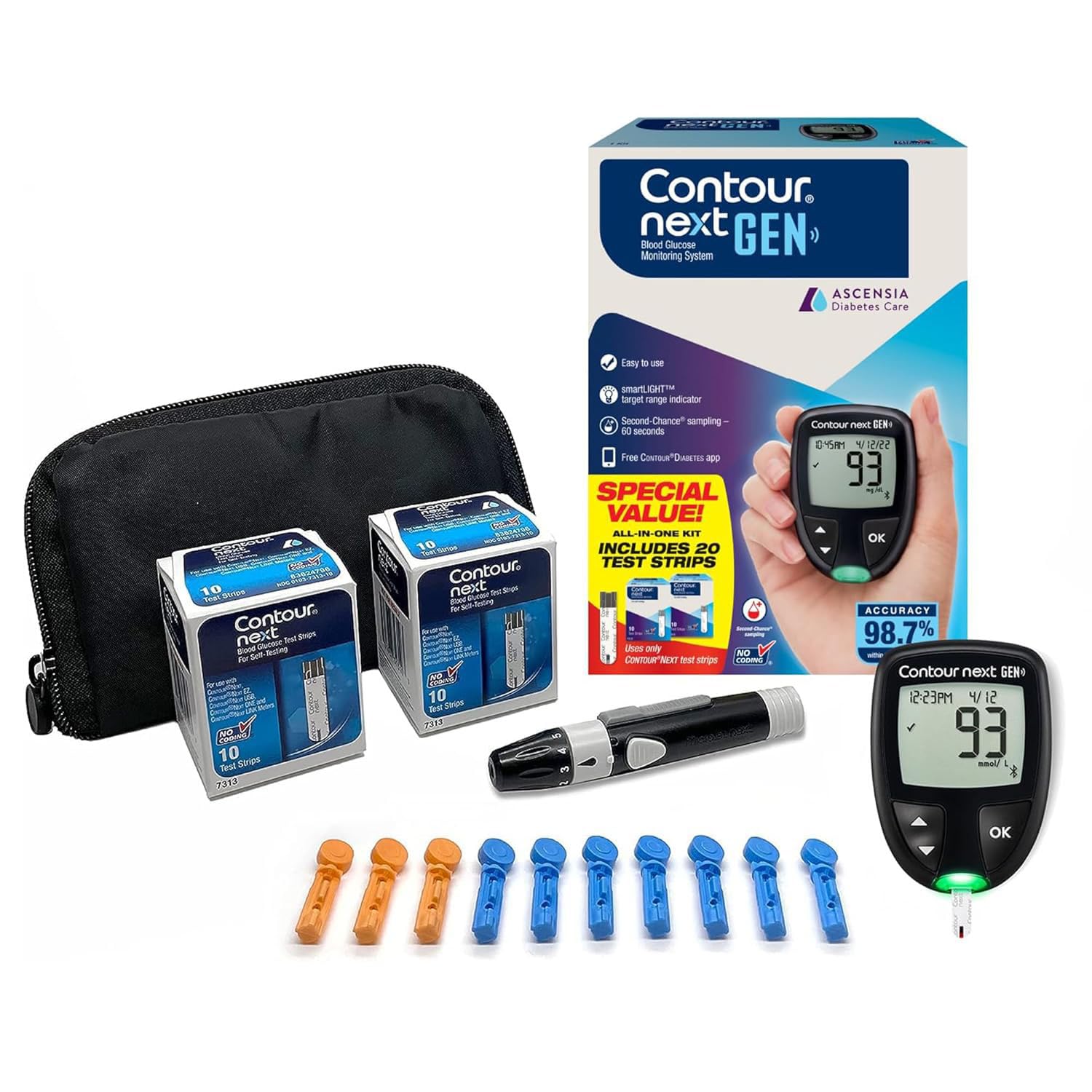
Ascensia Contour Next Gen Blood Glucose Meter
- Large, high-contrast display
- No-code design, small blood sample requirement
- Stores hundreds of readings on-device, optional companion app
- Test strips cost more than budget brands
- App features unnecessary for anyone who just wants the meter
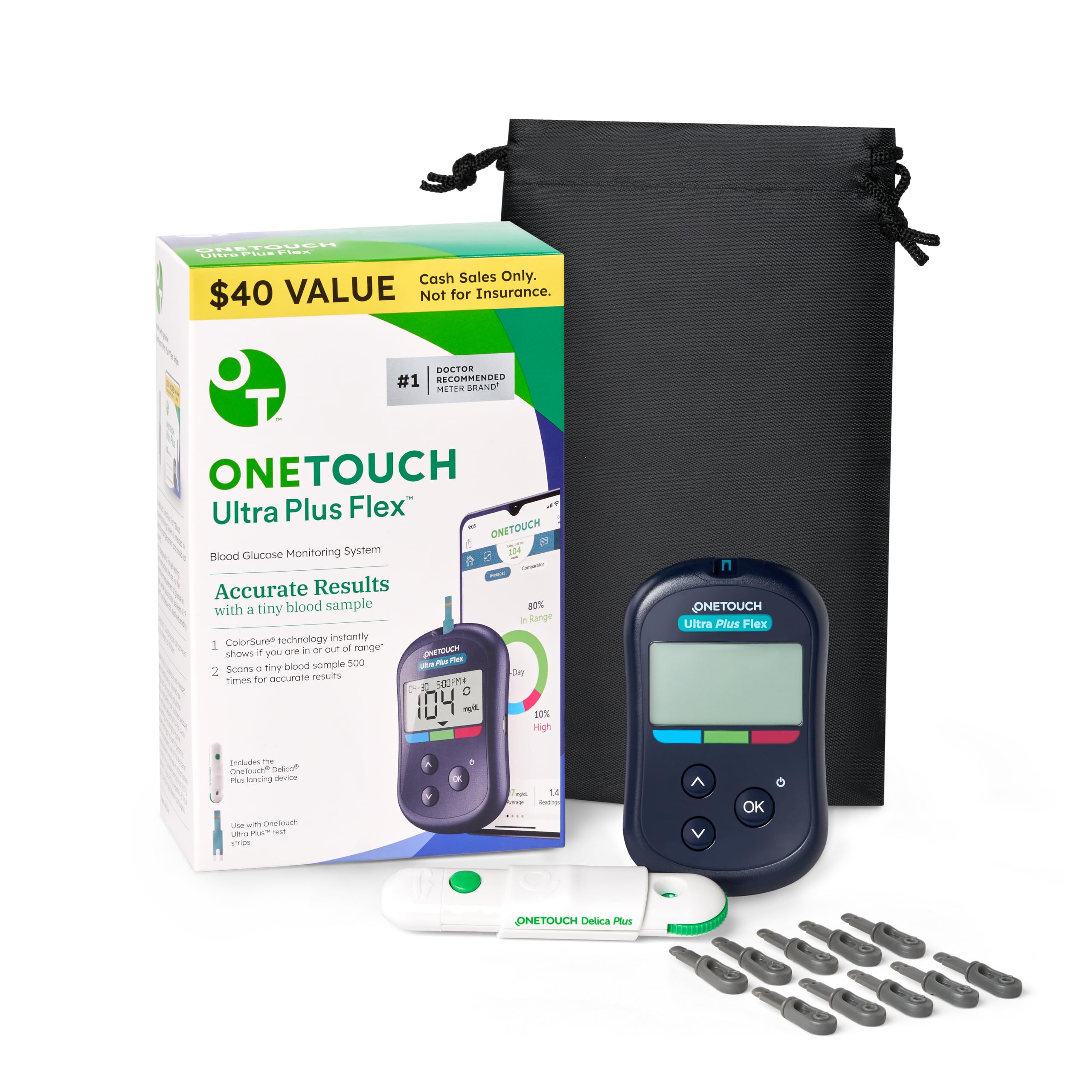
OneTouch Ultra Plus Flex Meter
- Wide, easy-to-grip test strips
- Results in under five seconds
- Small sample size needed
- Mid-range strip pricing
- Display is smaller than the Contour Next Gen's
CareTouch Blood Glucose Meter
- Meter often bundled cheaply or free
- Lower per-strip cost over months of daily testing
- No-code calibration like pricier brands
- Less brand recognition than Contour or OneTouch
- Insurance coverage for strips varies more by plan
The Short Answer
The Ascensia Contour Next Gen is a strong default — large display, no-coding design, and among the more accurate meters pharmacists recommend. For the simplest possible test strip handling, the OneTouch Ultra Plus Flex uses a wide, easy-to-load strip that's less fiddly for stiff or arthritic fingers. On a tighter budget, CareTouch meters run noticeably cheaper per test strip over time, which adds up fast for anyone testing multiple times a day.
Coding: The One Feature Worth Insisting On
Older glucose meters required manually entering a code from each new box of test strips to calibrate the meter — miss that step, or enter it wrong, and every reading afterward is off. Every meter worth buying today is "no-code," meaning the strip itself calibrates the meter automatically. This single feature eliminates the most common source of quietly wrong readings in home glucose testing, so it's worth confirming before buying rather than assuming it.
Where People Actually Get Readings Wrong
The meter itself is rarely the problem — technique is. A few specific habits throw off results more than any difference between meter brands:
- Testing right after washing hands with residue still on fingers (hand sanitizer, lotion, or even fruit juice) can skew a reading significantly. Wash with soap and water and dry fully before testing.
- Squeezing the finger hard to get a bigger drop of blood dilutes the sample with tissue fluid and can produce a falsely low reading. A gentle press, or warming the hands first, gets a cleaner drop.
- Reusing lancets past their sharpness makes the poke more painful, which discourages regular testing altogether — a fresh lancet each time is a small cost against a much bigger compliance problem.
- Expired or improperly stored test strips (left in a hot car, or a bottle kept open too long) read inaccurately even on an otherwise reliable meter.
Our Picks
Ascensia Contour Next Gen — Best Overall
A widely recommended no-code meter with a large, high-contrast display and a small blood sample requirement, which matters for anyone who finds it hard to draw a full drop. It stores hundreds of readings on the device itself and pairs with a companion app for anyone who wants to share trend data with a doctor or family member, though the meter works perfectly well with no app at all.
OneTouch Ultra Plus Flex — Easiest Strip Handling
The strip on this meter is wider and easier to grip and insert than most competitors, which is a bigger deal than it sounds for anyone with arthritis or reduced fine motor control — fumbling a tiny test strip is a common real-world frustration that specs sheets don't capture. Results in under five seconds with a similarly small sample size.
Check price on AmazonOneTouch Ultra Plus Flex Meter
CareTouch — Best Ongoing Cost
CareTouch meters themselves are often bundled cheaply or given away, but the real savings show up in test strip pricing over months of daily use — a meaningful difference for someone testing two to four times a day without insurance coverage for strips. The tradeoff is a smaller company with less brand recognition than Contour or OneTouch, though the core no-code technology and accuracy are comparable for standard home use.
Test Strips Are the Real Ongoing Cost
The meter itself is often inexpensive or even free — manufacturers make their money on strips, which are used once and thrown away. Before buying based on the meter price alone, check the cost per box of strips for that specific meter, since this is what actually determines the cost of testing several times a day for years. Insurance and Medicare Part B often cover strips for a specific brand — check coverage before settling on a meter, since switching brands later means re-buying everything.
How This Fits With Other Home Monitoring
A glucose meter tracks one specific number and doesn't substitute for other home health monitoring. Anyone managing diabetes alongside high blood pressure will likely also want a reliable home blood pressure monitor, and anyone with a respiratory or cardiac condition on top of diabetes may be tracking oxygen levels with a pulse oximeter as well. None of these devices replace regular lab work or a doctor's guidance — they're for day-to-day trend tracking between appointments.
What to Look For in a Senior-Friendly Meter
Accuracy is largely a given among current name-brand meters, so the features that actually separate them are the ones that make daily testing easier for someone with less-than-perfect eyesight or dexterity:
- A large, high-contrast, backlit display. Testing often happens several times a day, sometimes in poor light. Big, clearly labeled digits reduce the chance of misreading a number that a medication decision may depend on.
- Easy strip handling. Wider strips with a large fill area and a port that is easy to see and reach are far kinder to arthritic or unsteady hands than tiny, fiddly strips. This is a bigger real-world frustration than any spec sheet suggests.
- No-code calibration. Every meter worth buying today calibrates from the strip automatically. It removes the single most common source of quietly wrong readings and is worth confirming before purchase.
- A small blood-sample requirement. Meters that need only a tiny drop mean shallower, less painful pokes and fewer failed tests from an insufficient sample — a genuine help for anyone who struggles to draw a full drop.
- A gentle, adjustable lancing device. An adjustable-depth lancing pen lets the poke be as shallow as possible while still drawing enough blood, which keeps testing from becoming something to dread and avoid.
- On-device memory and simple sharing. Storing readings with time stamps, and optionally syncing to an app, helps track trends and lets a doctor or family member review the pattern — though the meter should work fully without the app for anyone who does not want it.
- Audio or talking features. For seniors with significant vision loss, a meter that speaks the result aloud can be the difference between testing independently and needing help every time.
How to Choose the Right One for Your Situation
The best meter depends on eyesight, dexterity, testing frequency, and budget more than on brand prestige:
If vision or dexterity is the main challenge, prioritize the largest, clearest display and the easiest strip handling, even if the strips cost a little more. A meter that gets used correctly beats a cheaper one that leads to fumbled strips and misread numbers.
If testing happens several times a day, the ongoing cost of strips matters far more than the price of the meter. Do the math on cost per strip over a year before deciding.
If a doctor or family member tracks the numbers, a meter that syncs to an app makes sharing trends effortless and removes the burden of copying numbers by hand.
If insurance or Medicare covers a specific brand's strips, that coverage should usually drive the choice, since switching brands later means re-buying the meter, lancing device, and strips.
How to Get an Accurate Reading
The meter is rarely the problem — technique is. A few habits produce a reading you can rely on:
- Wash and fully dry the hands. Soap and water only, no lotion or sanitizer residue, and dry completely. Even a trace of fruit juice or lotion can throw a reading off noticeably.
- Warm the hands and let the arm hang. Warm hands and gravity make it easier to get a good drop without hard squeezing.
- Poke the side of a fingertip. The sides are less sensitive than the pads, so testing there hurts less and encourages consistent testing. Rotate fingers to avoid soreness.
- Don't squeeze hard. Milking the finger forcefully dilutes the blood with tissue fluid and can produce a falsely low reading. A gentle press is enough.
- Use a fresh lancet. A sharp lancet each time makes the poke quicker and less painful, which keeps testing from being something to avoid.
- Check strip storage and dates. Keep the vial closed, out of heat and humidity, and within its expiration date. Strips left in a hot car or an open bottle read inaccurately even on a good meter.
Common Mistakes to Avoid
- Testing on unwashed or lotioned hands. The most common cause of a wrong reading. Wash, dry, then test.
- Squeezing the finger too hard. Dilutes the sample and skews the result low. Warm up and press gently instead.
- Using expired or heat-damaged strips. No meter can correct for a bad strip. Watch dates and storage.
- Reusing dull lancets. Makes testing painful, which quietly leads to skipped tests. Change the lancet each time.
- Buying on meter price alone. The strips are the real long-term cost. Check strip pricing and insurance coverage first.
- Ignoring an unexpected result. A reading that seems very high or very low without explanation is worth re-testing with a fresh strip and clean hands before acting on it.
When to Talk to Your Doctor
A home glucose meter supports day-to-day management between appointments; it does not replace lab work or a doctor's guidance. A doctor should set the target ranges and testing schedule, since those depend on the individual, the medications involved, and the type of diabetes. Bring the meter's log or app history to appointments so patterns can be reviewed rather than isolated numbers. And treat symptoms of very low or very high blood sugar — shakiness, confusion, sweating, extreme thirst, or drowsiness — according to the plan a doctor has already provided, seeking urgent care when that plan or common sense calls for it. The meter's purpose is to make trends visible and inform those conversations, not to replace them.
Frequently Asked Questions
How often should a senior with diabetes test blood glucose?
This varies significantly by individual, medication, and diabetes type — follow a doctor's specific testing schedule rather than a generic rule. Some people test once daily, others several times; the meter should match whatever frequency has actually been prescribed.
Do continuous glucose monitors (CGMs) replace a fingerstick meter?
A CGM worn on the skin can reduce how often a fingerstick is needed, but most CGM systems still require occasional fingerstick checks for calibration or verification, and CGMs are a separate, prescription-based category from the over-the-counter meters covered here.
What's a normal blood glucose reading?
Target ranges depend on the individual, whether the test is fasting or after a meal, and any diagnosed condition — a doctor should set the specific target range rather than relying on a generic number found online.
Which meter is easiest for someone with arthritis or shaky hands?
Look for the widest, easiest-to-load strips, a large fill area, and an adjustable lancing device rather than focusing on brand. A meter that turns on automatically and needs only a small blood sample also reduces the number of fiddly steps. Handling ease matters more here than any accuracy difference between current meters.
Are talking meters worth it for low vision?
For a senior with significant vision loss, a meter that announces the result aloud can be the difference between testing independently and needing help each time. It is a genuinely useful feature for that situation, though unnecessary for anyone who reads the display comfortably.
Does Medicare help pay for a meter and strips?
Medicare Part B often covers glucose meters and strips for a specific brand when a doctor prescribes them as medically necessary, though coverage rules and preferred brands vary. Check coverage before choosing a meter, since switching brands later means re-buying everything. Confirm the specifics with the plan rather than assuming.
How should test strips be stored?
Keep them in their original vial with the cap closed, away from heat, humidity, and direct sun, and use them before the expiration date. Strips left in a hot car, a bathroom, or an open bottle can read inaccurately even on an otherwise reliable meter.
The Bottom Line
Any current no-code meter from a recognized brand will give reliable readings if used correctly — the real differences between models are display size, strip handling, and ongoing strip cost, not accuracy. Pick the Contour Next Gen as a safe default, the OneTouch Ultra Plus Flex if dexterity is a concern, or CareTouch if daily testing costs need to stay as low as possible.

