Best Blood Pressure Monitors for Seniors 2026
Complete guide to home blood pressure monitoring for seniors. Compare arm cuffs vs wrist monitors, understand your readings, and get accurate measurements.
As an Amazon Associate I earn from qualifying purchases. We independently review products; buying through our links never costs you extra.
Best Overall
Omron Platinum Blood Pressure Monitor
Quick picks
| Product | Best for | Amazon |
|---|---|---|
| Omron Platinum Blood Pressure Monitor | Overall | Check price on Amazon |
| Withings BPM Connect | Smart Monitor | Check price on Amazon |
| Omron 7 Series | Value | Check price on Amazon |
| iHealth Track Blood Pressure Monitor | Budget Pick | Check price on Amazon |

Our Top Picks
Chosen for seniors based on features, specs, and verified buyer reviews.
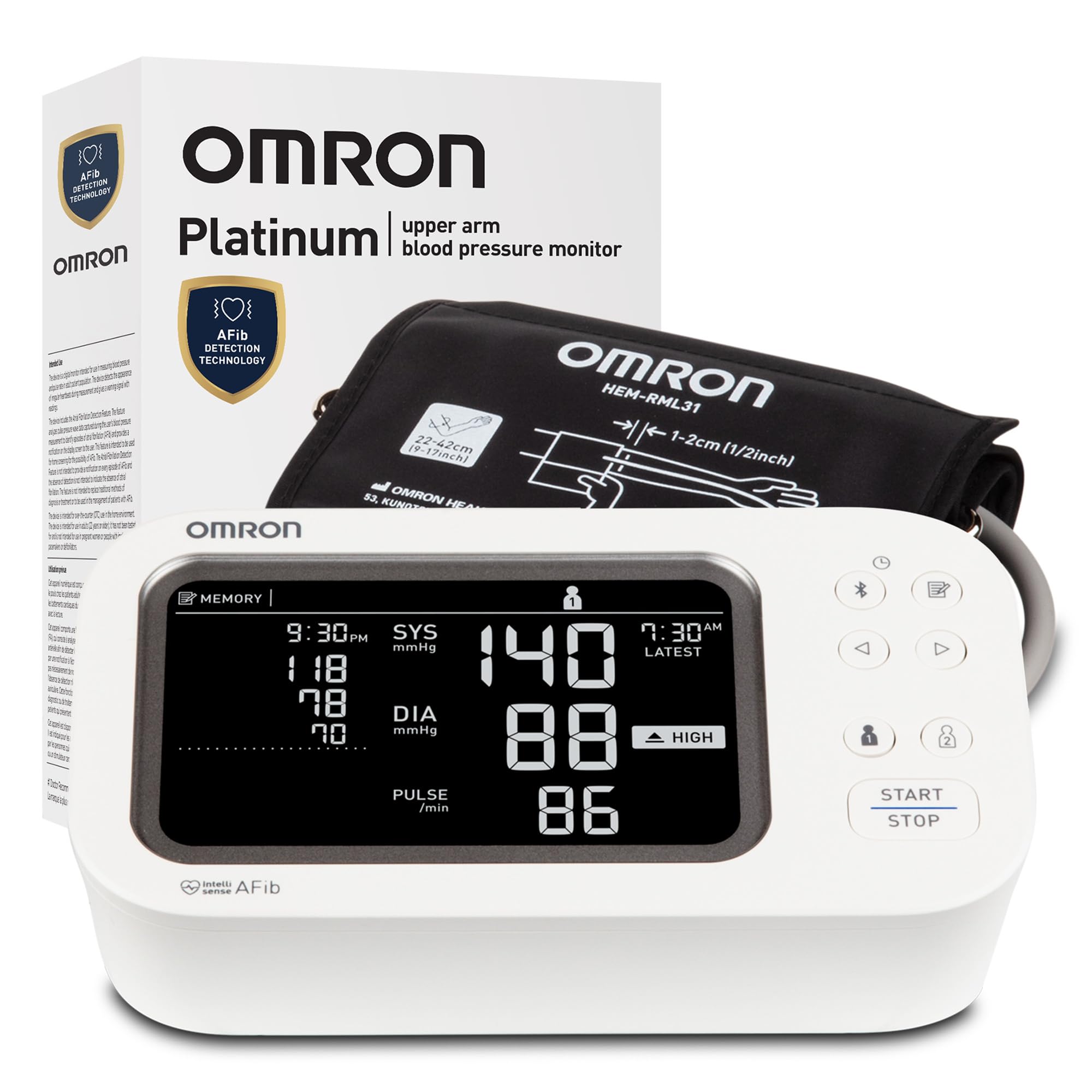
Omron Platinum Blood Pressure Monitor
- Highly accurate
- Bluetooth connectivity
- Easy to use
- Irregular heartbeat detection
- Requires app for full features
- Batteries not included

Withings BPM Connect
- Wi-Fi sync
- Compact design
- Medical-grade accuracy
- Long battery life
- Expensive
- Small display
- App required
Omron 7 Series
- Affordable
- Large display
- Wide-range cuff
- Dual users
- No Bluetooth
- Basic features
- Manual tracking
iHealth Track Blood Pressure Monitor
- Budget-friendly
- Bluetooth enabled
- Free app
- Voice broadcast
- Less accurate
- Smaller cuff range
- Basic build
Why Home Blood Pressure Monitoring Matters
Hypertension (high blood pressure) affects over 60% of adults aged 60 and older, and it's often called the "silent killer" because it has no symptoms. Regular home monitoring helps catch dangerous spikes early, track medication effectiveness, and avoid "white coat syndrome" (elevated readings at the doctor's office due to anxiety).
The Critical Statistics
- Nearly half of American adults have high blood pressure
- Only 1 in 4 have it under control
- High BP increases risk of heart attack, stroke, and kidney disease by 3-4x
- Home monitoring improves control rates by 20-30%
- Medicare covers BP monitors with doctor's prescription
Understanding Your Blood Pressure Readings
Blood pressure is measured in two numbers: systolic (top number) and diastolic (bottom number), expressed as mmHg (millimeters of mercury).
What the Numbers Mean
Systolic Pressure (Top Number):
- Measures pressure when your heart beats
- More important for seniors
- Higher systolic increases stroke risk
Diastolic Pressure (Bottom Number):
- Measures pressure between heartbeats
- When heart is resting and refilling
- Less predictive of problems in seniors
Blood Pressure Categories
Normal: Less than 120/80 mmHg
Elevated: 120-129 systolic AND less than 80 diastolic
- Warning sign to make lifestyle changes
- May not require medication yet
Stage 1 Hypertension: 130-139 systolic OR 80-89 diastolic
- Lifestyle changes plus possible medication
- Monitor closely with doctor
Stage 2 Hypertension: 140+ systolic OR 90+ diastolic
- Requires medication plus lifestyle changes
- Regular doctor visits essential
Hypertensive Crisis: 180+ systolic AND/OR 120+ diastolic
- Medical emergency - call 911
- Can cause organ damage immediately
Types of Blood Pressure Monitors
Upper Arm Monitors (Most Accurate)
Best for: Most seniors, especially those with irregular heartbeat
How they work: Inflatable cuff wraps around upper arm
Pros:
- Most accurate readings (gold standard)
- Recommended by doctors and AHA
- Better for irregular heartbeats
- Larger cuffs fit most arm sizes
Cons:
- Bulkier than wrist monitors
- Requires proper arm positioning
- Can be difficult with limited mobility
Wrist Monitors (Convenient)
Best for: Seniors with very large arms or limited upper arm mobility
How they work: Small cuff wraps around wrist
Pros:
- Compact and portable
- Easy to put on yourself
- Good for travel
- Works with large upper arms
Cons:
- Less accurate than arm monitors
- Very sensitive to positioning
- Wrist must be exactly at heart level
- Not recommended by most cardiologists
Smart Blood Pressure Monitors
Best for: Tech-comfortable seniors or those with family monitoring remotely
Features:
- Bluetooth sync to smartphone apps
- Automatic tracking and charts
- Share data with doctors electronically
- Family member access for remote monitoring
- Irregular heartbeat alerts
Key Features to Consider
1. Cuff Size (Most Important)
Wrong cuff size gives inaccurate readings. Measure your upper arm circumference:
- Standard: 9-13 inches
- Large: 13-17 inches
- Extra Large: 17-22 inches
Many monitors include adjustable cuffs. Check the range before buying.
2. Display Size and Clarity
- Large, backlit screen essential for vision issues
- High-contrast numbers (black on white)
- At least 1-inch tall digits
- Clear labeling of systolic/diastolic
3. Irregular Heartbeat Detection
- Critical feature for seniors
- Detects atrial fibrillation (AFib)
- Displays warning symbol if detected
- Can be early warning of stroke risk
Not every monitor includes this feature, and not every model that does handles it the same way. See our guide to blood pressure monitors with irregular heartbeat detection for which models include it and what the warning icon actually means.
4. Memory Storage
- Stores 30-120 readings typical
- Multiple user profiles (2-4 users)
- Date and time stamps
- Average calculations
5. Ease of Use
- One-button operation preferred
- Automatic inflation (no manual pumping)
- Voice announcements available on some models
- Clear instructions
6. Validation and Accuracy
Look for monitors validated by:
- FDA cleared for sale in US
- Validated by AAMI, ESH, or BHS
- Clinical accuracy tested
- Endorsed by cardiologists
How to Get Accurate Readings
Preparation (30 Minutes Before)
- Avoid caffeine, exercise, and smoking
- Empty your bladder
- Rest quietly in chair 5 minutes before
- Don't talk during or right before measurement
Proper Positioning
- Sit correctly: Back supported, feet flat on floor, legs uncrossed
- Arm position: Rest arm on table at heart level
- Cuff placement: Bare skin (remove clothing), 1 inch above elbow crease
- Stay still: Don't talk, move, or look at phone
Taking the Reading
- Press start button
- Sit quietly as cuff inflates
- Breathe normally
- Wait for beep/display
- Record the reading
Multiple Readings
- Take 2-3 readings, 1 minute apart
- Use the average of the last two readings
- Discard the first reading (often higher)
- Measure same time daily (morning and evening)
When to Call Your Doctor
Immediate (Call 911)
- Reading over 180/120
- Chest pain or shortness of breath
- Severe headache with high reading
- Vision changes or confusion
- Difficulty speaking
Within 24 Hours
- Consistent readings over 140/90
- Sudden increase of 20+ points
- Frequent irregular heartbeat alerts
- Dizziness or fainting
Routine Discussion
- Bring log to all appointments
- Discuss patterns and trends
- Review medication effectiveness
- Adjust treatment as needed
Common Mistakes to Avoid
1. Measuring at Random Times
- Take readings same time daily
- Morning: before medications and breakfast
- Evening: before dinner and medications
- Consistency matters for accurate tracking
2. Wrong Cuff Size
- Too small: falsely high readings
- Too large: falsely low readings
- Measure your arm and verify size
3. Talking During Measurement
- Raises BP by 10-15 points
- Stay completely silent
- No TV, phone, or conversations
4. Arm Position Too Low or High
- Below heart level: falsely high
- Above heart level: falsely low
- Use pillow to adjust height
5. Taking Reading Over Clothing
- Even thin fabric affects accuracy
- Always use bare skin
- Roll up sleeve (don't push up tight sleeve)
Keeping Records
What to Track
- Date and time
- Systolic and diastolic readings
- Heart rate (pulse)
- Which arm used
- Medications taken that day
- Notable activities (stress, exercise, poor sleep)
Recording Methods
- Paper log: Simple, doctor-friendly
- Smartphone app: Automatic charts and trends
- Spreadsheet: Easy to email doctor
- Monitor memory: Limited history
A Related but Separate Reading: Blood Oxygen
Blood pressure and blood oxygen are tracked with different devices and neither substitutes for the other. If a doctor has also asked for oxygen saturation monitoring — common with COPD, heart failure, or recovery from respiratory illness — see our guide to pulse oximeters for seniors for which fingertip and wearable models are worth using.
Medicare and Insurance Coverage
What Medicare Covers
- Requires doctor's prescription
- Must be "medically necessary"
- Usually covers 80% after deductible
- May require prior authorization
Getting Coverage
- Ask doctor for prescription
- Get "Certificate of Medical Necessity"
- Submit to Medicare or insurance
- Purchase from approved supplier
Lifestyle Changes to Lower Blood Pressure
Diet
- DASH diet (vegetables, fruits, whole grains)
- Reduce sodium to under 1,500 mg daily
- Limit alcohol to 1 drink/day (women) or 2 (men)
- Increase potassium (bananas, spinach, beans)
Exercise
- 30 minutes moderate activity daily
- Walking is ideal for most seniors
- Swimming reduces joint stress
- Chair exercises if mobility limited
For seniors who want steady cardio without the joint stress of walking outdoors, see our picks for the best recumbent exercise bikes for seniors — a low-impact way to work toward that 30-minutes-daily target from home.
Weight Management
- Losing 5-10 pounds can lower BP significantly
- Even small reductions help
- Focus on sustainable changes
Stress Reduction
- Deep breathing exercises
- Meditation or prayer
- Adequate sleep (7-8 hours)
- Social connections and hobbies
How to Choose the Right Monitor for Your Situation
With cuff fit, display, and validation covered above, the choice usually comes down to a few practical questions about the household:
How comfortable is the wearer with a smartphone? If a phone is already in daily use, a smart monitor that syncs readings and charts trends automatically is genuinely convenient. If not, a straightforward monitor with a large display and on-device memory avoids setup frustration and still tracks everything a doctor needs.
Will a doctor or family member review the data? When someone else helps manage the numbers, a monitor that shares history through an app makes that far easier than copying figures by hand. When the senior manages alone and prefers paper, on-device memory plus a written log works just as well.
Is there a known heart-rhythm concern? If a doctor has flagged an irregular heartbeat, prioritize a validated upper-arm model that includes irregular-heartbeat detection. Our companion guide linked above covers which models handle that feature well.
Does the monitor need to travel? For someone who moves between homes or travels often, a compact all-in-one cuff is easier to pack and store than a unit with a separate console and cords.
How many people will use it? A couple who both track blood pressure should confirm the monitor stores separate histories per user, so two people's readings do not blend into one confusing record.
Frequently Asked Questions
Which arm should I use to measure blood pressure?
Use the same arm each time so readings are comparable, and rest it on a table at heart level. Readings can differ between arms; if a doctor has noted a meaningful difference, follow their advice on which arm to use. Consistency matters more than which arm, once you have chosen one.
Why is my home reading different from the reading at the doctor's office?
Some difference is normal. Office readings can run higher from "white coat" anxiety, while home readings taken after resting quietly are often more representative of everyday levels. Bring your home log to appointments so your doctor can see both and judge the pattern rather than a single office measurement.
How often should a senior check blood pressure at home?
It depends on the individual and what a doctor advises. Many people check once or twice a day for a stretch when starting or adjusting treatment, then less often once things are stable. Follow the specific schedule your doctor sets rather than a generic rule.
Do I need a smart, app-connected monitor?
Only if the app will actually be used. A monitor that syncs to a phone is helpful when a doctor or family member tracks trends remotely. If no one will set it up, a simple monitor with a clear display and built-in memory records everything needed without the added complexity.
The Bottom Line
For most seniors, an upper arm blood pressure monitor with irregular heartbeat detection and a large display is the best choice. The Omron Gold offers excellent accuracy and smart features, while the Greater Goods monitor provides solid basic functionality at an affordable price. Take readings at the same time daily, use proper technique, and bring your log to all doctor appointments. Home monitoring, combined with lifestyle changes and prescribed medications, can add years to your life by keeping blood pressure under control. For anyone also managing diabetes, a reliable blood glucose meter rounds out a basic home health monitoring setup. A cuff monitor stays the standard for tracking numbers a doctor will actually act on — but if a cardiologist has also flagged a heart rhythm concern like AFib, our smartwatches for heart health guide covers the separate, wrist-based ECG feature that a blood pressure cuff doesn't provide. For anyone managing heart failure specifically, a daily weight check catches fluid retention days before a blood pressure cuff would — see our best smart scales for seniors guide for scales built to log that trend automatically.

