Best Canes and Walking Sticks for Seniors (2026): Which Type You Actually Need
The best walking canes for seniors — from folding travel canes to quad canes for extra stability — and how to pick the right type, and the right height, for real balance support.
As an Amazon Associate I earn from qualifying purchases. We independently review products; buying through our links never costs you extra.
Our top pick
HurryCane Freedom Edition
Quick picks
| Product | Best for | Amazon |
|---|---|---|
| HurryCane Freedom Edition | — | Check price on Amazon |
| Nova Traditional Quad Cane | — | Check price on Amazon |
| Vive Adjustable Folding Cane | — | Check price on Amazon |
| Drive Medical Deluxe Folding Cane | — | Check price on Amazon |

Our Top Picks
Chosen for seniors based on features, specs, and verified buyer reviews.
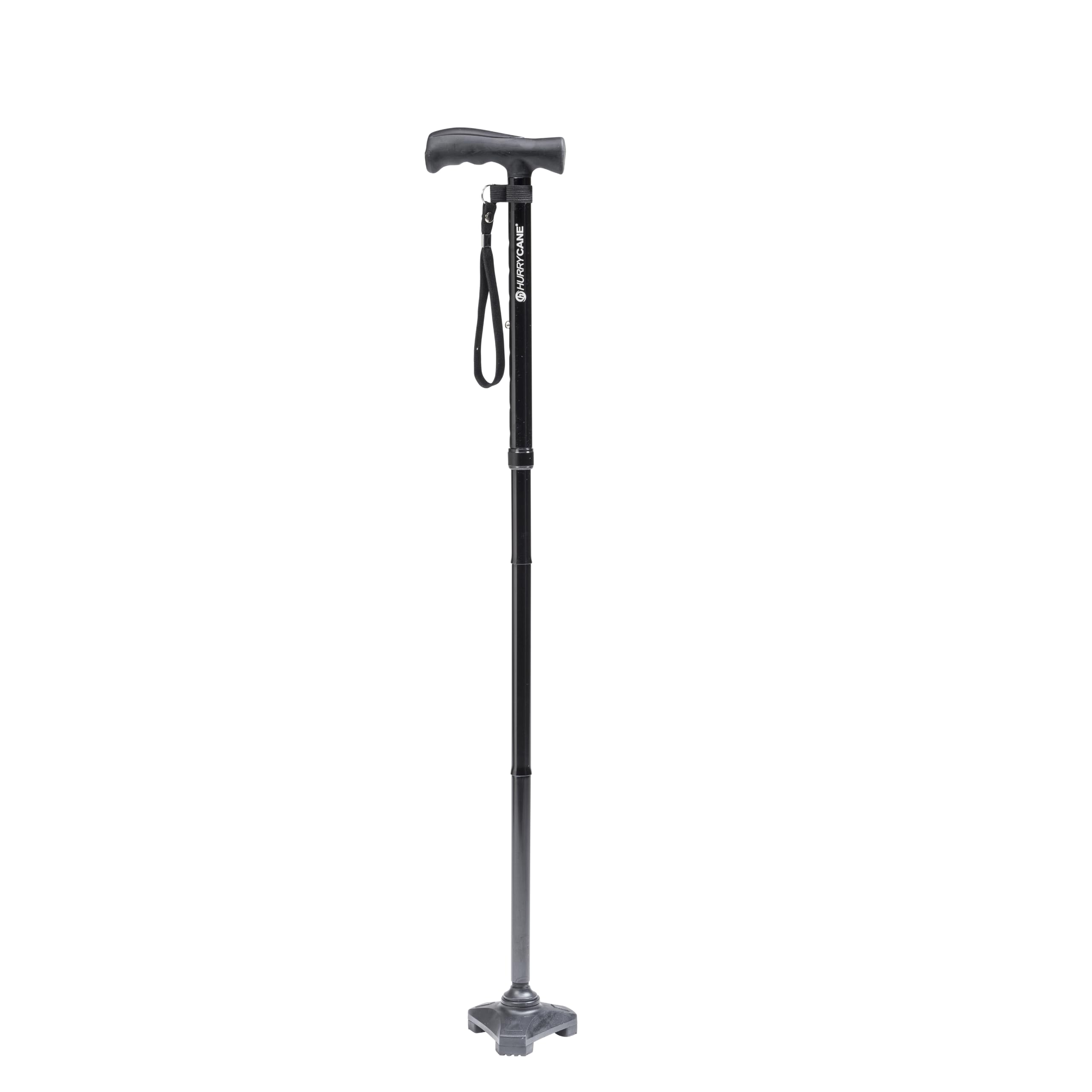
HurryCane Freedom Edition
Check price on Amazon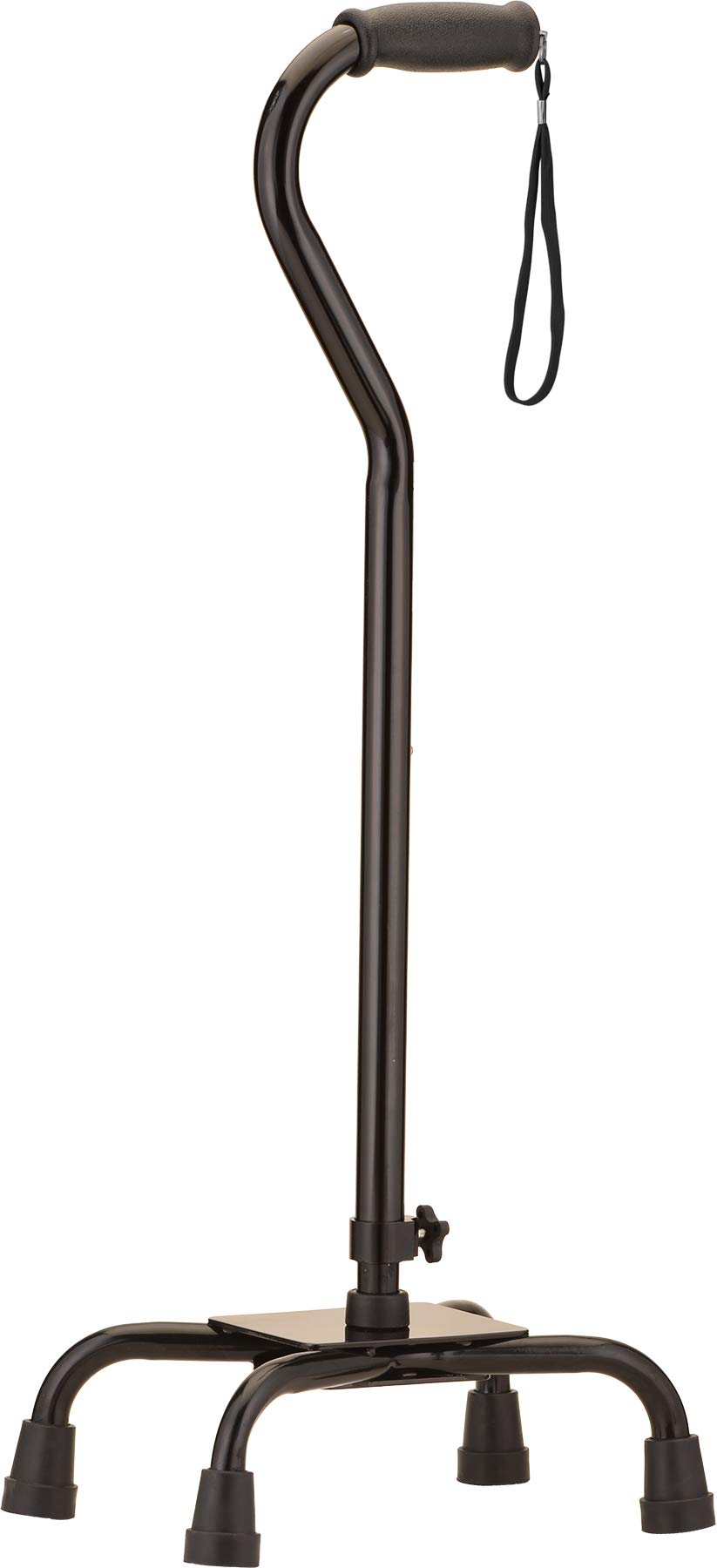
Nova Traditional Quad Cane
Check price on Amazon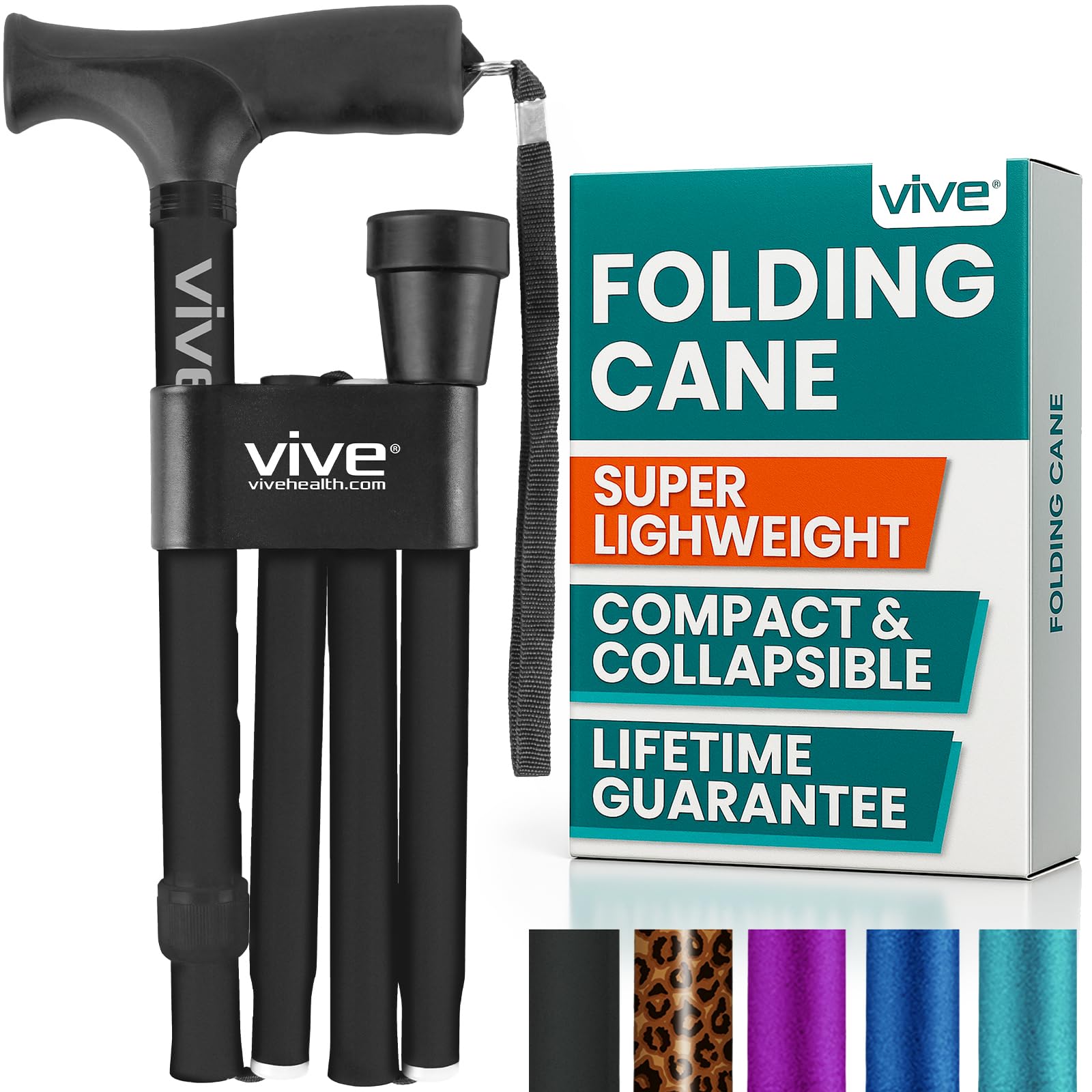
Vive Adjustable Folding Cane
Check price on Amazon
Drive Medical Deluxe Folding Cane
Check price on AmazonA cane sounds like the simplest mobility aid there is, but the wrong type can actually make balance worse — a single-point cane offers real support only when it's sized and used correctly, and it's the wrong choice entirely for someone who needs more stability than one thin point of contact can give. After comparing the main styles on the market, our top pick for most people is the HurryCane Freedom Edition, with the Nova Traditional Quad Cane the better choice for anyone who needs serious extra stability.
Our top picks
HurryCane Freedom Edition — Best for Uneven Ground
The HurryCane's pivoting base has three small feet that tilt to stay flat on the ground even when the cane is held at an angle, which is exactly how most people naturally walk with a cane. That makes it noticeably steadier than a standard single-tip cane on sidewalks, ramps, and grass, without the bulk of a full quad cane. It folds down for storage; the trade-off is a slightly heavier tip than a plain cane.
Check price on AmazonHurryCane Freedom Edition
Nova Traditional Quad Cane — Best for Serious Stability
A quad cane's four-point base provides real independent standing support — you can rest your weight on it and let go with your other hand without it tipping, which a single-tip cane can't do. Nova's version has a comfortable foam grip and a wide, stable base. It's bulkier and heavier to carry than the other options here, so it's worth choosing only if you genuinely need that level of support, not as a default first cane.
Check price on AmazonNova Traditional Quad Cane
Vive Adjustable Folding Cane — Best for Travel
This cane folds into four sections small enough to fit in a bag, which matters for someone who only needs a cane part of the time — for long walks, travel, or days when balance feels less steady. The height adjusts with a push-button mechanism rather than a screw, so it's quick to extend and collapse one-handed.
Check price on AmazonVive Adjustable Folding Cane
Drive Medical Deluxe Folding Cane — Best Everyday Offset-Handle Cane
The offset handle design puts your body weight directly over the cane's shaft instead of out to the side, which reduces wrist strain during all-day use. It's a standard single-point cane, so it suits someone with mild balance concerns rather than a real weight-bearing need — pair it with a quad cane or rollator if more support becomes necessary later.
Check price on AmazonDrive Medical Deluxe Folding Cane
Quad cane, pivoting base, or standard cane — what's the real difference?
A standard single-tip cane is for confidence and light balance support — it can't safely bear a lot of your body weight. A quad cane, with its four-legged base, can be leaned on and will stand on its own, making it the right choice after a stroke, surgery, or when one side of the body is notably weaker. A pivoting-base cane like the HurryCane sits in between: sturdier than a standard cane on uneven terrain, but still meant for balance support rather than heavy weight-bearing. If in doubt, ask a physical therapist which category fits — using a standard cane when a quad cane is really needed is a common and preventable fall risk.
What to look for, with senior needs in mind
Once you've settled on the right category, a handful of details separate a cane that's a pleasure to use from one that gets left by the door:
- The grip (arthritis and hand strength): This is where the hand lives all day. An ergonomic or offset grip that fills the palm is far kinder to arthritic hands than a thin, hard crook handle. Foam or soft-touch surfaces stay comfortable and don't get slick in a sweaty or wet hand.
- Weight (fatigue): A lighter cane is easier to advance with every step, which adds up over a long walk. But lighter isn't everything — a cane that's genuinely weight-bearing needs enough substance to feel solid, so balance lightness against sturdiness for the actual need.
- Adjustability and locking: Push-button height adjustment is easy to set and, just as important, holds firmly. Check that the locking button clicks fully home; a cane that can collapse under load is dangerous.
- The tip and base (traction): A wide, fresh rubber tip grips far better than a worn one. Pivoting and quad bases keep more contact with the ground on uneven surfaces. Whatever the style, the tip is a wear item and the first thing to check.
- Can it stand on its own?: A cane that stands unaided — a quad or a self-standing pivoting base — means the user isn't bending to pick it up off the floor every time it's set down, which is both convenient and a fall-risk reducer in its own right.
- Folding vs. fixed (portability and cognition): A folding cane is handy for travel and tucking into a bag, but it's one more thing to assemble correctly. For someone who wants the simplest possible tool, a solid one-piece cane with no steps to get wrong may be the better choice.
How to choose the right one for your situation
- Mild balance support, mostly indoors and on flat ground: A standard offset-handle cane is light, simple, and enough.
- Walking on sidewalks, ramps, grass, and uneven ground: A pivoting-base cane keeps better contact with the surface at the angle people naturally hold a cane.
- Real weight-bearing needs — after a stroke, surgery, or with a distinctly weaker side: A quad cane that stands on its own and can be leaned on is the safer category, bulk and all.
- Part-time or travel use: A folding cane stows in a bag for the days or outings when it's needed and disappears when it isn't.
- Not sure it's enough: If a cane leaves the user feeling unsteady, or they're offloading weight from a leg or reaching for furniture as they go, that's a sign to step up to a rollator or walker rather than a fancier cane.
Common mistakes to avoid
- Using a cane that's the wrong height. The most common error, and it undermines everything else. A cane too tall or too short throws off posture and balance — size it before the first walk.
- Holding it on the wrong side. The cane goes in the hand opposite the weaker or painful leg. Holding it on the same side is a widespread mistake that makes walking less stable, not more.
- Sticking with a single cane when a quad cane is really needed. Pride keeps people on a device that can't safely bear the weight they're putting on it. Match the cane to the actual need.
- Ignoring a worn tip. A smooth, worn rubber tip is a slip waiting to happen. Replacing it costs little and restores the grip.
- Leaning on a folding cane before it's fully locked. Confirm every section is seated and the height button is engaged before putting weight on it.
How to size a cane correctly
- Height: With arms relaxed at your sides and standing straight, the top of the cane should reach the crease of your wrist.
- Elbow bend: Holding the cane at that height, your elbow should bend at roughly a 15–20 degree angle — not locked straight, not sharply bent.
- Which hand: Hold the cane in the hand opposite your weaker or more painful leg, and move the cane forward at the same time as that leg.
- Tip condition: Rubber tips wear down and lose grip over months of use — replace a tip once the tread goes smooth.
Frequently asked questions
What's the difference between a quad cane and a regular cane?
A quad cane has a four-legged base that stands on its own and can support real weight when you lean on it. A regular single-tip cane only offers balance assistance and isn't meant to be leaned on heavily — using the wrong type for your actual needs is a common cause of falls.
How do I know if I need a cane or a walker?
A cane is generally enough if you need help with balance and confidence but can still bear most of your weight on both legs. If you need to offload significant weight from a leg, need support on both sides, or have had frequent falls, a rollator or walker offers considerably more stability. When in doubt, a physical therapist can assess gait and recommend the right device.
Which hand should I hold a cane in?
Hold the cane in the hand opposite the weaker leg or the leg causing pain, and step forward with the cane and that leg together. This distributes weight properly and is the technique physical therapists generally teach.
Are pivoting-base canes like the HurryCane actually more stable than a regular cane?
On uneven or sloped ground, yes — the tilting base keeps more surface area in contact with the ground at the angle you naturally hold a cane. On flat, even indoor floors the difference is much smaller, and some users find the wider base slightly less precise to place.
Can I use a cane on stairs?
Yes, with the standard technique: going up, step with the stronger leg first, then bring the weaker leg and cane up together. Going down, lead with the cane and weaker leg, then bring the stronger leg down. Always use a handrail when one is available in addition to the cane.
How often should I replace the rubber tip on a cane?
Check the tip every month or so and replace it as soon as the tread wears smooth or the rubber cracks — the tip is what grips the floor, and a worn one is a genuine slip hazard. Tips are inexpensive, sold to fit standard cane diameters, and take seconds to swap, so there's no reason to wait.
Is a folding cane as sturdy as a solid one?
A good-quality folding cane locks into a rigid shaft that's plenty sturdy for balance support, and the convenience of stowing it in a bag is a real advantage for part-time users. That said, a one-piece cane has no joints to loosen and nothing to assemble, so for heavy daily weight-bearing or for someone who'd struggle to set it up correctly each time, a solid cane is the simpler, more reassuring choice.
Can a cane be used on both sides, or only one?
For everyday walking, keep the cane in the hand opposite the weaker or painful leg — that's what makes the gait stable. The exception is stairs, where the technique changes, and some people switch hands to keep a free hand for the handrail. If both legs are equally affected or balance is the main issue, that's often a sign a cane alone isn't enough and a walker or rollator is worth considering.
The bottom line
Most people reach for whatever cane is cheapest or most available, but the type matters more than the brand. The HurryCane Freedom Edition is a solid everyday choice for typical balance support, while the Nova Traditional Quad Cane is worth the extra bulk if you genuinely need to lean on it. Get the height and hand technique right, and even a basic cane will do its job far better than an expensive one used incorrectly.

