Best Wheelchair Ramps for Home Use — Seniors Buying Guide 2026
How to size and choose a portable wheelchair ramp for home use — the ADA slope rule that actually determines safety, our top picks from Silver Spring and EZ-ACCESS, and when to call a professional installer instead.
As an Amazon Associate I earn from qualifying purchases. We independently review products; buying through our links never costs you extra.
Best for Full ADA Compliance
Silver Spring 7' Portable Wheelchair Ramp
Quick picks
| Product | Best for | Amazon |
|---|---|---|
| Silver Spring 7' Portable Wheelchair Ramp | Full ADA Compliance | Check price on Amazon |
| Silver Spring 4' Folding Mobility Ramp SCG-4 | a Single Low Step | Check price on Amazon |
| EZ-ACCESS Portable Folding Ramp | — | Check price on Amazon |

Our Top Picks
Chosen for seniors based on features, specs, and verified buyer reviews.
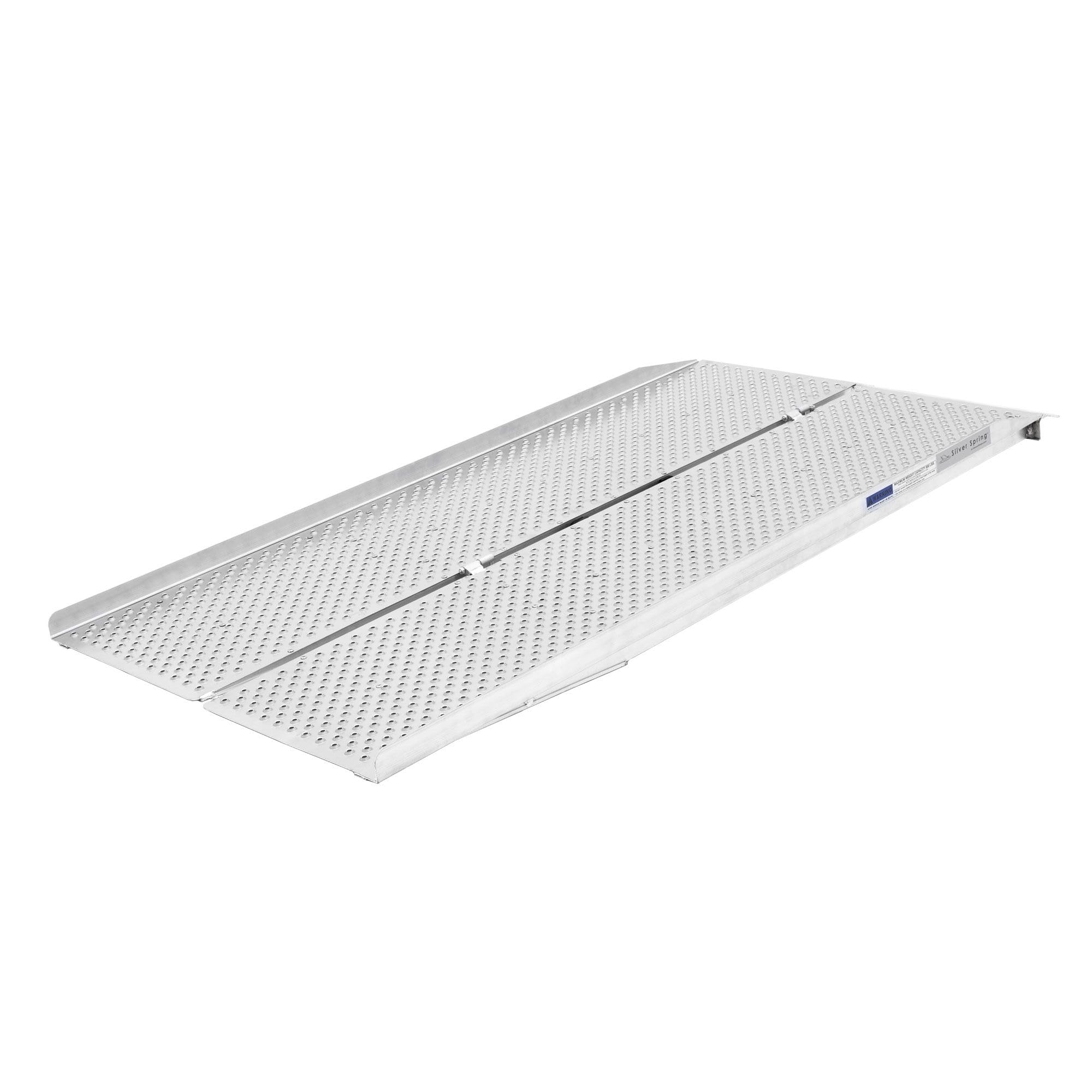
Silver Spring 7' Portable Wheelchair Ramp
- ADA-compliant for rises up to 14 inches
- 850 lb weight capacity
- Textured aluminum surface for wet-weather traction
- Heavier and longer — needs two people to move
- Overkill for a single low threshold
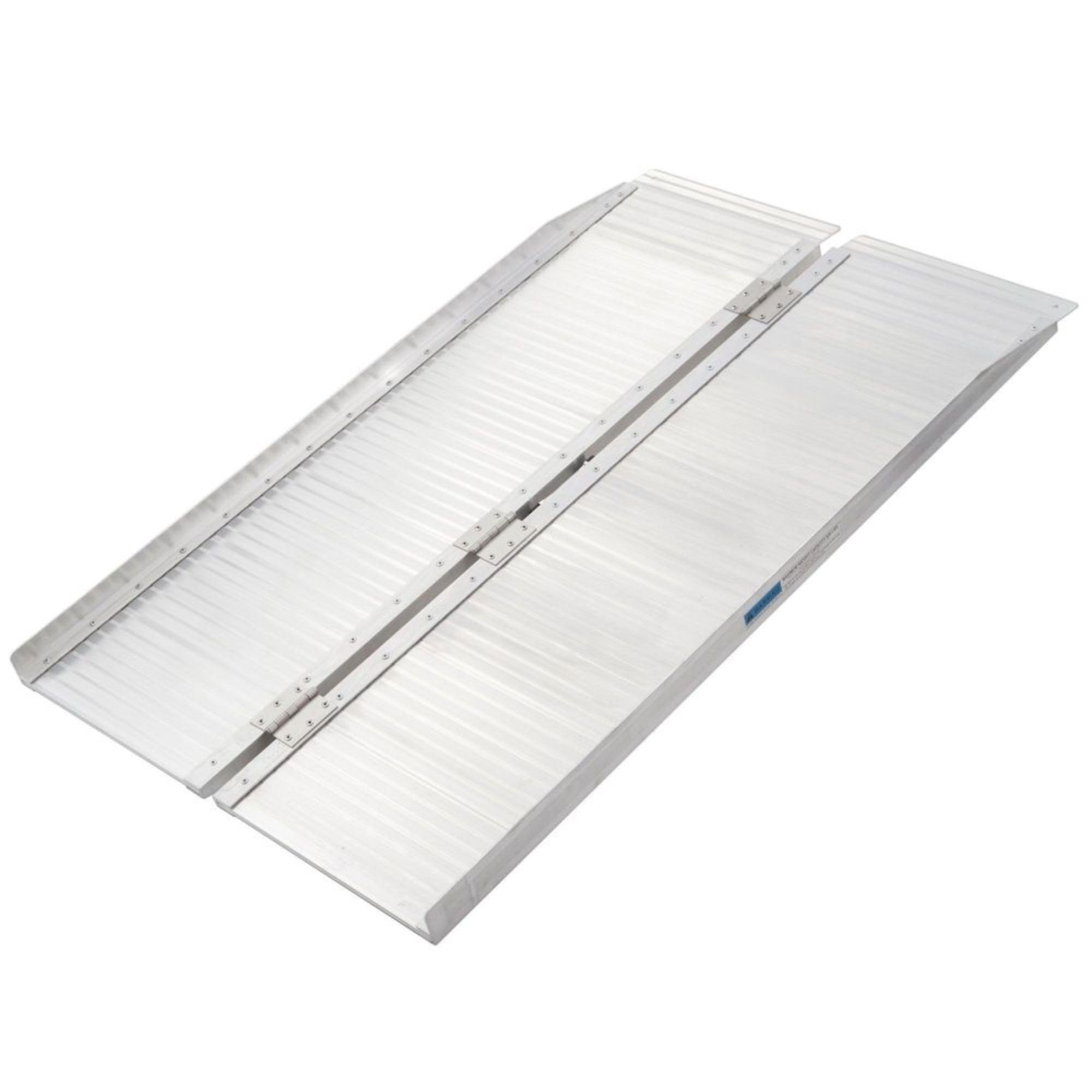
Silver Spring 4' Folding Mobility Ramp SCG-4
- Folds in half for storage
- 600 lb capacity
- Good fit for a 4-6 inch threshold
- Too short and steep for a full staircase
- 36-inch length limits use to one step
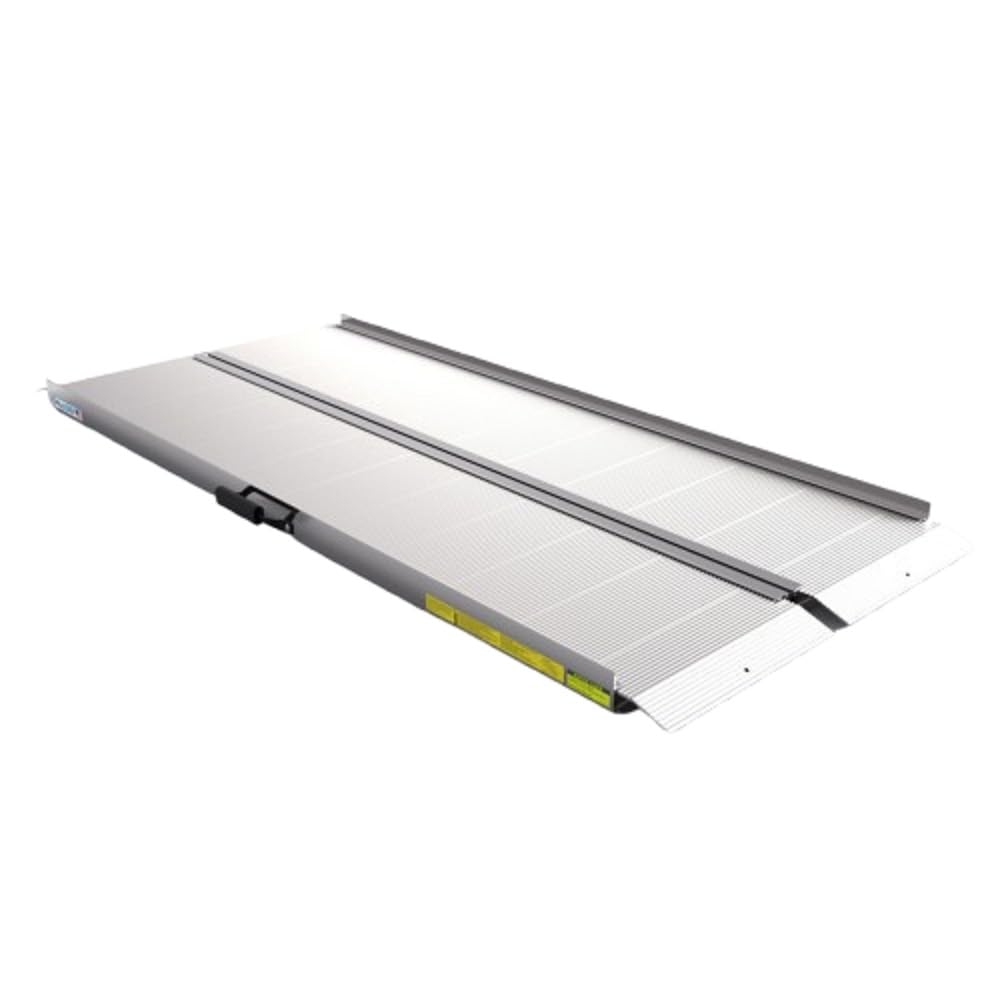
EZ-ACCESS Portable Folding Ramp
- Folds compact for car trunk storage
- Good for visiting relatives or appointments
- Lighter than fixed-length ramps
- Lower weight capacity than full-size ramps
- Narrower — check wheelchair width before buying
A single 4-inch step at the front door stops a walker, a wheelchair, or a scooter cold — and it's one of the most common reasons an otherwise capable senior ends up trapped inside their own house. The right ramp solves it for a few hundred dollars; the wrong one is either dangerously steep or so bulky it never gets set up. Here's how to pick one that actually gets used.
The Slope Rule That Matters More Than Any Brand
The ADA's long-standing guideline for wheelchair ramp slope is 1:12 — one inch of rise for every 12 inches of ramp length. A 6-inch step, in other words, needs at least a 6-foot ramp to be safely navigable by someone self-propelling a wheelchair or pushing a rollator. Shorter ramps sold as "compact" for a step that size will be too steep for many users to manage without assistance, even if they technically fit the doorway. Measure the exact rise in inches before buying anything — this single number determines which ramp length is actually usable, not the size of the gap or the brand's marketing photos.
How to Measure Your Rise (and Get the Length Right)
Getting the length right starts with one accurate measurement, and it's easy to do wrong. Here's the reliable way:
- Measure the total vertical rise, not the step. Rest a straight board or level flat on the top surface (the porch, threshold, or landing) so it extends out over the lower ground. Measure straight down from the underside of that board to the ground where the bottom of the ramp will sit. That vertical distance — in inches — is your rise.
- Count every step in a flight. If there are two or three steps, measure from the top landing all the way down to the ground, not one step at a time. The ramp has to span the whole height.
- Apply the 1:12 rule. Multiply the rise in inches by 12 to get the minimum ramp length in inches, then divide by 12 to get feet. A 5-inch rise wants about a 5-foot ramp; an 8-inch rise wants about 8 feet.
- Go longer if the user self-propels or the surface gets wet. A gentler slope (a longer ramp for the same rise) is always easier and safer. If the person pushes their own wheelchair, or the ramp faces rain, snow, or ice, err toward the longer option.
- Check the landing. There must be a flat, level area at both the top and the bottom for the chair to pause and turn. A door that swings outward needs enough flat space in front of it to open without pushing the user backward down the slope.
Our Top Picks
1. Silver Spring 7' Portable Wheelchair Ramp — Best for Full ADA Compliance
At 36 inches wide and rated for 850 lbs, the Silver Spring 7-foot ramp is ADA-compliant for rises up to 14 inches — enough for a typical porch step or two stacked steps. It's aluminum, so it won't rust or need painting, and the surface has a textured, gritted finish for traction in rain or snow, which matters more than most buyers expect: a smooth ramp is more dangerous wet than the bare step it replaces.
Check price on AmazonSilver Spring 7' Portable Wheelchair Ramp
2. Silver Spring 4' Folding Mobility Ramp (SCG-4) — Best for a Single Low Step
For a 4-inch to 6-inch threshold — a garage step, a single stair, a raised patio door — the 4-foot SCG-4 folds in half for storage in a closet or car trunk and still holds 600 lbs. It's the right size for one door, not a full staircase; don't be tempted to use a short ramp on a tall rise just because it's cheaper.
Check price on AmazonSilver Spring 4' Folding Mobility Ramp SCG-4
3. EZ-ACCESS Portable Folding Ramp — Best for Travel
EZ-ACCESS built its reputation on ramps designed to be carried, not installed — models that fold into a suitcase-style shape with a handle, light enough for one person to load into a car trunk for visiting relatives or medical appointments where the entrance isn't accessible. It trades some weight capacity and width for portability, so it's a second ramp for a mobile lifestyle, not a replacement for a permanent home ramp.
Check price on AmazonEZ-ACCESS Portable Folding Ramp
Choosing the Right Ramp for Your Situation
- A single low threshold or doorsill (under ~2 inches): You don't need a full ramp at all — a small rubber or aluminum threshold ramp bridges the lip and is far tidier than a long ramp.
- One step at the door (4–6 inches): A short folding ramp is ideal: long enough for a safe slope, small enough to store, and light enough for one person to set out.
- A porch or several stacked steps (up to ~14 inches): A full-length aluminum ramp like the 7-foot model is the right tool. Confirm the width suits the wheelchair or scooter, not just the doorway.
- A permanent everyday entrance: A fixed or modular ramp system with handrails and landings is more comfortable and secure than repeatedly deploying a portable one, and it's what most daily users end up preferring.
- Occasional visits and appointments: A lightweight folding travel ramp that lives in the trunk turns inaccessible entrances into manageable ones without committing to an install.
Width, Traction, and Weight Capacity: The Details That Get Overlooked
Slope gets all the attention, but three other numbers decide whether a ramp is actually safe day to day:
- Width: A manual wheelchair generally needs a clear ramp width of about 30 inches or more; a mobility scooter can need more still. Measure the widest part of the device — often the wheels or the armrests — not just the seat.
- Weight capacity: The rating has to cover the user plus the device together. A power wheelchair or scooter is heavy on its own, so a rider-plus-chair total can climb quickly. Choose a ramp rated comfortably above that combined weight.
- Traction surface: A gritted, textured deck is not a luxury — it's the difference between a safe ramp and a slide in the rain. Avoid smooth, bare metal, and keep the surface clear of leaves, snow, and ice, which undo even the best coating.
- Edge lips and transitions: Low raised edges help keep a wheel from rolling off the side, and a smooth, flush transition at the top prevents the front casters from catching where the ramp meets the threshold.
When a Portable Ramp Is the Wrong Answer
Skip the portable ramp and call a professional installer or ADA-certified ramp company if:
- The total rise is more than about 30 inches — at a 1:12 slope that's a 30-foot ramp, which isn't practical as a portable unit. A modular or permanent ramp system with landings and handrails is the safer, code-compliant answer.
- There's no flat landing space at the top or bottom. A ramp that dumps a wheelchair directly onto a slope with no level pause is a fall risk regardless of how gentle the incline is.
- The user has significant upper-body weakness and can't self-propel up even a properly sloped ramp — a powered lift or a caregiver-assisted transfer plan may be the more realistic solution.
- It's a rental property. Threshold ramps and non-permanent aluminum ramps generally don't require landlord approval or structural changes, but anything bolted down does — check the lease first.
For shorter distances and users who mainly need support rather than a rolling surface, a rollator or walker paired with a low threshold ramp is often simpler than sizing a ramp for full wheelchair or mobility scooter clearance.
Common Mistakes to Avoid
- Buying by the size of the gap instead of the rise. The step's height, run through the 1:12 rule, sets the length — not how the doorway looks.
- Choosing a ramp too steep to store easily and using it anyway. A short ramp on a tall step is the most common and most dangerous shortcut. If the numbers say it's too steep, it is.
- Forgetting the landing and the door swing. A ramp with nowhere flat to stop, or a door that opens outward into the slope, creates a hazard the incline alone never would.
- Ignoring width for the actual device. A ramp that fits the door but not the scooter's wheelbase doesn't help. Measure the device.
- Leaving the ramp slick. Even a gritted ramp is unsafe under leaves, snow, or ice. A quick sweep before use is part of owning one.
Frequently Asked Questions
What's the correct ramp length for a 6-inch step?
Using the 1:12 ADA slope ratio, a 6-inch rise needs a minimum 6-foot ramp length. Steeper ratios like 2:12 exist for short-distance, assisted-use cases, but they're not appropriate for someone self-propelling a wheelchair or pushing a walker.
Do aluminum ramps get too hot or slippery?
Quality aluminum ramps use a textured, gritted surface coating specifically to maintain traction when wet, and aluminum doesn't retain heat the way asphalt or dark rubber can. Avoid bare, smooth metal ramps without a traction coating — they're the ones that get dangerously slick in rain.
Can one ramp work for both a wheelchair and a walker?
Yes, as long as the width and slope suit the more restrictive use case — generally wheelchairs need more width (30+ inches) than walkers, so sizing for the wheelchair covers both.
Are portable wheelchair ramps covered by Medicare?
Medicare Part B may cover ramps in limited cases when deemed medically necessary and prescribed by a doctor, but coverage is inconsistent and many portable ramps are purchased out of pocket. Check with the specific Medicare Advantage or supplemental plan for details before assuming reimbursement.
How do I keep the ramp from sliding when it's in use?
Most quality ramps include rubber, non-slip feet or a lip that hooks over the threshold edge. For extra security on a smooth surface, a set of ramp anchor brackets (sold separately by most ramp brands) can be screwed into a wood deck or porch.
Do I need handrails on a wheelchair ramp?
Short, low-rise portable ramps used with help generally don't have handrails, and that's fine for a single step. But for a longer ramp, a steeper everyday entrance, or a user who walks up the ramp with a cane or walker rather than rolling, handrails add real safety and are required on permanent ramps under most building codes. If in doubt, choose the option with rails.
Can a wheelchair ramp be left outside year-round?
Aluminum ramps are made for it — they won't rust and shrug off rain and snow. The maintenance is mostly housekeeping: sweep off leaves, clear snow and ice before use, and check periodically that feet, hooks, or anchors are still secure. A folding or travel ramp, by contrast, is happier stored indoors between uses.
What's the difference between a threshold ramp and a full ramp?
A threshold ramp is a small wedge that bridges a doorsill or a lip of an inch or two — it solves a bump, not a step. A full ramp spans an actual step or flight and needs the length that the 1:12 rule dictates. Many homes end up using both: a threshold ramp at an interior doorway and a full ramp at the main entrance.

