Best Electric Razors for Seniors with Tremors or Arthritis (2026)
A safety razor and shaky hands or arthritic fingers are a bad combination — nicks, cuts, and skipped shaves follow. The right electric shaver removes the precision the task used to demand.
As an Amazon Associate I earn from qualifying purchases. We independently review products; buying through our links never costs you extra.
Best Overall
Panasonic ARC3 Electric Shaver (ES-LT67-A / ES-RM3B-G)
Quick picks
| Product | Best for | Amazon |
|---|---|---|
| Panasonic ARC3 Electric Shaver (ES-LT67-A / ES-RM3B-G) | Overall | Check price on Amazon |
| Remington F5790 Pivot & Flex | Value | Check price on Amazon |
| Philips Norelco 4D Flex Shaver (2400 Series) | Sensitive Skin | Check price on Amazon |
| Philips Lady Shaver Series 8000 | Women with Limited Grip | Check price on Amazon |

Our Top Picks
Chosen for seniors based on features, specs, and verified buyer reviews.
Panasonic ARC3 Electric Shaver (ES-LT67-A / ES-RM3B-G)
- Head pivots in 12 directions to follow face contours
- Sensor auto-adjusts cutting power to beard density
- Wet/dry use, rinses clean under the tap
- Hypoallergenic stainless-steel head
- Higher price than basic rotary shavers, depending on bundle
- Trimmer attachment adds an extra button on some models
Remington F5790 Pivot & Flex
- Three independently flexing titanium foils
- 60-minute cordless runtime, 2-hour charge
- Clear LED charge display
- Lower price than premium options
- Less cutting power than the Panasonic ARC3
- No smart skin-density sensor
Philips Norelco 4D Flex Shaver (2400 Series)
- Rounded, skin-guarded blade tips reduce nicks
- Simple one-button operation
- Pop-up detail trimmer included
- Widely available replacement heads
- Mid-range cutting closeness compared to top foil shavers
- Corded charging cradle takes some counter space
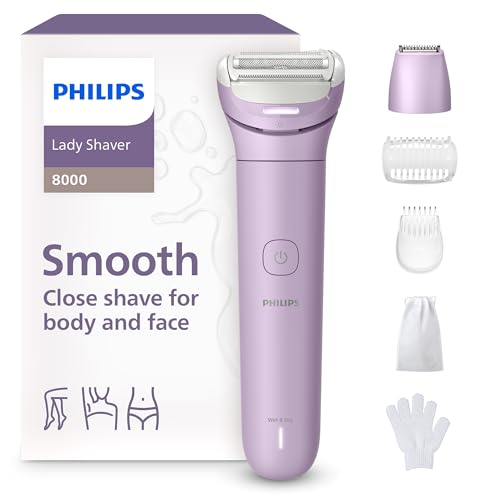
Philips Lady Shaver Series 8000
- Compact, rounded shape designed for easy holding
- Lightweight, reduces hand fatigue
- Rotary design is gentle on sensitive skin
- Works well one-handed
- Rotary cut is less close than a foil shaver on coarse hair
- Smaller head means more passes on larger areas
Shaving is one of those daily routines nobody thinks about until a tremor, arthritis, reduced grip strength, or the aftermath of a stroke turns a two-minute task into a stressful, sometimes bloody one. A traditional blade razor demands a steady hand and fine motor control to avoid nicks — exactly the two things essential tremor, Parkinson's, and arthritic joints take away first. Electric shavers were never designed specifically for seniors, but the better ones happen to solve the problem anyway: rounded, skin-guarded heads that don't cut on contact, flexible heads that follow the face's contours instead of requiring the user to angle a blade precisely, and lightweight, textured bodies that are easier to hold and maneuver with a weak or shaking grip.
Why electric over a blade razor
The core issue with a traditional razor is that the blade itself is the cutting edge in direct contact with skin — any unsteadiness at the moment of contact means a nick. An electric shaver's cutting elements sit behind a protective foil or rotary guard, so the blade never directly touches skin. That single design difference is why electric shavers are the standard recommendation from occupational therapists and caregiver resources for anyone managing tremors, arthritis, low vision, or reduced sensation in the hands or face (a real risk after a stroke, since a numb area won't signal pain from a cut until it's already happened).
The trade-off is that electric shavers generally don't get quite as close a shave as a fresh blade, and they cost more upfront. For most seniors managing a hand-function issue, that trade is worth it — a slightly less close shave every time beats an excellent shave most of the time and an occasional bloody nick.
How to choose
Flexible, contour-following heads. Look for a head that pivots in multiple directions (manufacturers describe this as "4D flex" or similar multi-direction pivoting) so the shaver naturally follows the curve of the jaw, chin, and neck without the user needing to angle their wrist precisely — the head does the fine positioning instead of the hand.
Weight and grip. Somewhat counterintuitively, a shaver that's too light can actually be harder to control with a tremor, since there's less mass to dampen small shakes. Look for a body with a rubberized, non-slip grip section rather than smooth plastic, and don't assume "lightest available" is automatically the best choice.
Simple, minimal controls. A single on/off button beats a shaver with multiple speed settings, a menu-driven display, or small buttons that are hard to press with arthritic fingers. Fewer controls means fewer things to fumble with, especially early in the morning before coffee.
Wet/dry capability. A shaver rated for wet use can be run under water for a quick rinse-clean, which is far easier than disassembling and brushing out a dry-only shaver — a meaningful convenience difference for anyone with limited hand dexterity for fine cleaning tasks.
Cordless runtime and charge indicator. A clear, simple battery indicator (ideally a light rather than a small numeric display) avoids the shaver dying mid-shave. 45-60 minutes of runtime is standard and enough for roughly two to three weeks of daily use between charges for most models.
Pop-up trimmer, if needed. Useful for sideburns and mustache edges, but it's one more small button to manage — worth it for some, unnecessary complexity for others.
Our top picks
Panasonic ARC3 (ES-LT67-A / ES-RM3B-G) — Best Overall
Panasonic's ARC3 line uses a three-blade cutting system delivering roughly 39,000 cross-cutting actions per minute, paired with a head that pivots in 12 directions to follow the contours of the chin, jaw, and neck — the flex is doing the precision work that an unsteady hand no longer has to. A built-in sensor measures beard density up to 200 times per second and automatically adjusts cutting power, which in practice means less pressing the shaver hard against the skin to compensate for a weak cut, a habit that leads to irritation and nicks with any shaver. It's rated for wet or dry use, so it can be run in the shower or rinsed clean under the tap, and it includes a pop-up trimmer for sideburns and mustache edges. The standalone ES-RM3B-G is the less expensive option; the ES-LT67-A bundle adds a beard trimmer attachment for a bit more.
The stainless-steel head construction is hypoallergenic, which matters for the thinner, more sensitive skin common in older adults. This is the pick for most people here: proven mainstream brand, genuinely flexible head, and simple single-button operation.
Remington F5790 Pivot & Flex — Best Value
The F5790 uses three independently flexing titanium-coated foils that move separately from each other to follow the curves of the chin and jawline rather than as one rigid unit — a meaningful difference for anyone who can't manually angle a razor to match their own face shape. It runs cordless for about 60 minutes per charge (roughly 20 days of typical daily shaving) with a 2-hour full charge time, and includes an LED display showing charge status clearly. It's a real, currently sold model (also listed on Amazon), typically priced well below the Panasonic ARC3.
It's a step down from the ARC3 in cutting power and skin-sensor technology, but for a senior who mainly needs a forgiving, flexible head and a lower price point, it covers the essentials without the premium cost.
Philips Norelco 4D Flex Shaver — Best for Sensitive Skin
Philips Norelco's 4D Flex line (the 2400 series is the accessible entry point) pairs flexible heads with rounded, skin-guarded blade tips designed specifically to reduce nicks and irritation on sensitive or thinning skin. It includes a pop-up detail trimmer for cleaning up sideburns and mustache lines. Cordless operation and a straightforward one-button interface keep the learning curve low for anyone switching from a blade razor for the first time.
Philips Norelco shavers are widely available with easy-to-source replacement heads, which matters for a purchase meant to last several years — confirm replacement head availability before buying any electric shaver as a long-term solution.
Philips Lady Shaver Series 8000 — Best for Women with Limited Grip
For facial hair or leg and underarm shaving, the Lady Shaver Series 8000 has a compact, rounded body shape specifically noted for being easier to hold and maneuver for anyone with dexterity issues, and it's lightweight enough to reduce hand fatigue during use. It's a rotary-style shaver, which is generally considered more forgiving and comfortable for sensitive or fragile skin than a foil shaver, at the cost of a slightly less close result on coarser hair.
This is the pick specifically for a senior woman managing arthritis or tremors who has found body-shaped safety razors difficult or risky to use — the rounded shape and light weight address the same grip problem as the men's picks above, just built around a different use case.
Check price on AmazonPhilips Lady Shaver Series 8000
Common mistakes
Buying the thinnest, most "travel-friendly" shaver available. Ultra-compact shavers often sacrifice the flexible head and stable grip that make the difference for tremors and arthritis — bigger and slightly heavier is usually the better choice here, not worse.
Pressing hard against the skin to compensate for a shaver that doesn't seem to be cutting well. This is almost always a sign the blades need cleaning or replacing, not a sign to push harder — pushing harder increases both irritation risk and the chance of catching skin in a moving part.
Skipping regular blade/foil replacement. Manufacturers generally recommend replacing foils and cutting blocks every 12-18 months; a worn shaver requires more passes and more pressure to get the same result, which defeats the entire point of switching to electric in the first place.
Assuming any electric shaver works well with a tremor. The head's flex range varies significantly between models — a rigid single-direction head still requires the hand to do most of the positioning work, which is the exact problem being solved for. Check for language like "4D flex" or "multi-direction pivoting" specifically before buying.
Troubleshooting
The shaver pulls hair instead of cutting cleanly. This is the clearest sign the foil or cutting blades need replacing — a worn foil develops microscopic burrs that grab instead of cut. Replacement heads are sold separately for all four brands above.
Skin irritation after switching from a blade razor. This is common in the first 2-3 weeks as skin adjusts to a different shaving mechanism; it typically settles down. If irritation persists past a few weeks, a rotary shaver (like the Lady Shaver Series 8000, or Panasonic's rotary lines for men) is generally gentler on sensitive skin than a foil shaver.
Shaver won't turn on or dies quickly. Check that it's fully seated in the charging cradle — a common issue is the shaver appearing to charge but not making full contact with the charging pins. If a fully charged unit still dies within a few minutes of use, the battery has likely reached the end of its useful life, which is normal after several years of daily use.
Difficulty pressing the small on/off button. Some models have small, low-profile buttons that are hard to press with arthritic fingers; this is worth testing (or reading reviews specifically about button feel) before buying, since it varies meaningfully between otherwise similar models.
Frequently asked questions
Are electric shavers actually safer than blade razors for tremors?
Yes, meaningfully so. The cutting elements sit behind a protective foil or rotary guard rather than being directly exposed, so an unsteady hand doesn't translate into a cut the way it does with an open blade. This is a standard recommendation from occupational therapy and caregiving resources for anyone managing hand tremors or reduced fine motor control.
Do electric shavers give as close a shave as a blade razor?
Generally not quite as close, particularly on the first use before skin and technique adjust. For most seniors managing a hand-function issue, a slightly less close shave that happens safely every day is a better outcome than an excellent shave that occasionally ends in a cut.
Can someone with very limited hand strength use an electric shaver one-handed?
Yes — this is one of the main advantages over a blade razor, which typically needs the other hand to hold skin taut. An electric shaver just needs to be guided across the skin, which most of the models above are light enough to do one-handed, especially the Norelco 4D Flex and Lady Shaver Series 8000.
How often do the blades or foils need replacing?
Most manufacturers recommend replacement every 12-18 months with daily use, sooner if the shaver starts pulling hair or requiring more passes than it used to.
Is a rotary or foil shaver better for sensitive, thin skin?
Rotary shavers (like the Lady Shaver Series 8000) are generally considered gentler on sensitive or fragile skin, which becomes more common with age. Foil shavers, like the Panasonic ARC3 and Philips Norelco 4D Flex, tend to give a closer cut but can be slightly more prone to irritation on very sensitive skin until the skin adjusts.
Final thoughts
None of the models here require replacing an entire morning routine — the goal is removing the precision a blade demands, not adding complexity. If grip strength on the shaver itself is the sticking point rather than the shaving motion, it's worth pairing any of these with the same kind of textured, built-up grip covered in our hand exercisers and grip strengtheners guide for arthritis, since stronger, more comfortable hands make every device on this list easier to use, not just a shaver. And if shaving is one of several morning self-care tasks that have become harder — buttons, zippers, or reaching a razor from a drawer — our dressing aids for limited dexterity guide and daily living aids roundup cover the broader toolkit worth building alongside it.