Best Non-Slip Socks for Seniors (2026): Grip Socks That Actually Prevent Falls
Grip socks are one of the cheapest fall-prevention buys you can make — but only if the grip pattern, sizing, and material are actually right. Four well-reviewed picks and what to check before buying.
As an Amazon Associate I earn from qualifying purchases. We independently review products; buying through our links never costs you extra.
Best for cold feet
Yebing Non Slip Hospital Socks with Grips, Fuzzy Cozy Anti-Skid Slipper Socks
Quick picks
| Product | Best for | Amazon |
|---|---|---|
| Yebing Non Slip Hospital Socks with Grips, Fuzzy Cozy Anti-Skid Slipper Socks | cold feet | Check price on Amazon |
| Non-Slip Grip Crew Socks for Hospital and Elderly Use | crew-height coverage | Check price on Amazon |
| SkiBeaut Grip Non-Slip Socks, 4-Pair Pack | value multi-pack | Check price on Amazon |
| Non-Slip Grip Socks for Home and Recovery Use, 5-Pair Pack | post-surgery recovery | Check price on Amazon |

Our Top Picks
Chosen for seniors based on features, specs, and verified buyer reviews.
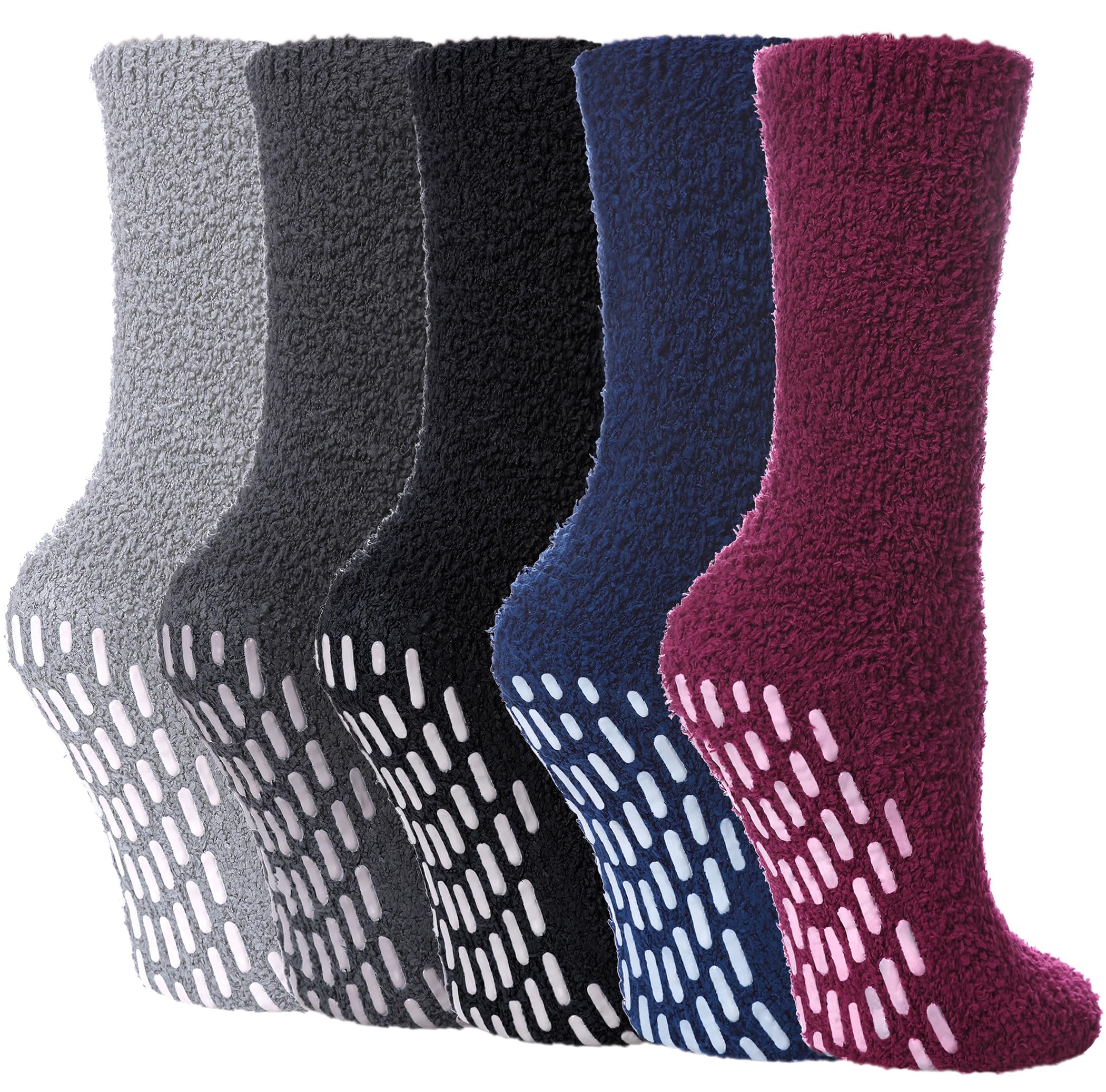
Yebing Non Slip Hospital Socks with Grips, Fuzzy Cozy Anti-Skid Slipper Socks
- Fuzzy, warm knit for cold floors
- Molded grip dots on ball and heel
- Machine washable
- Thicker knit may not fit inside snug shoes
- Warmth-focused, not a summer option
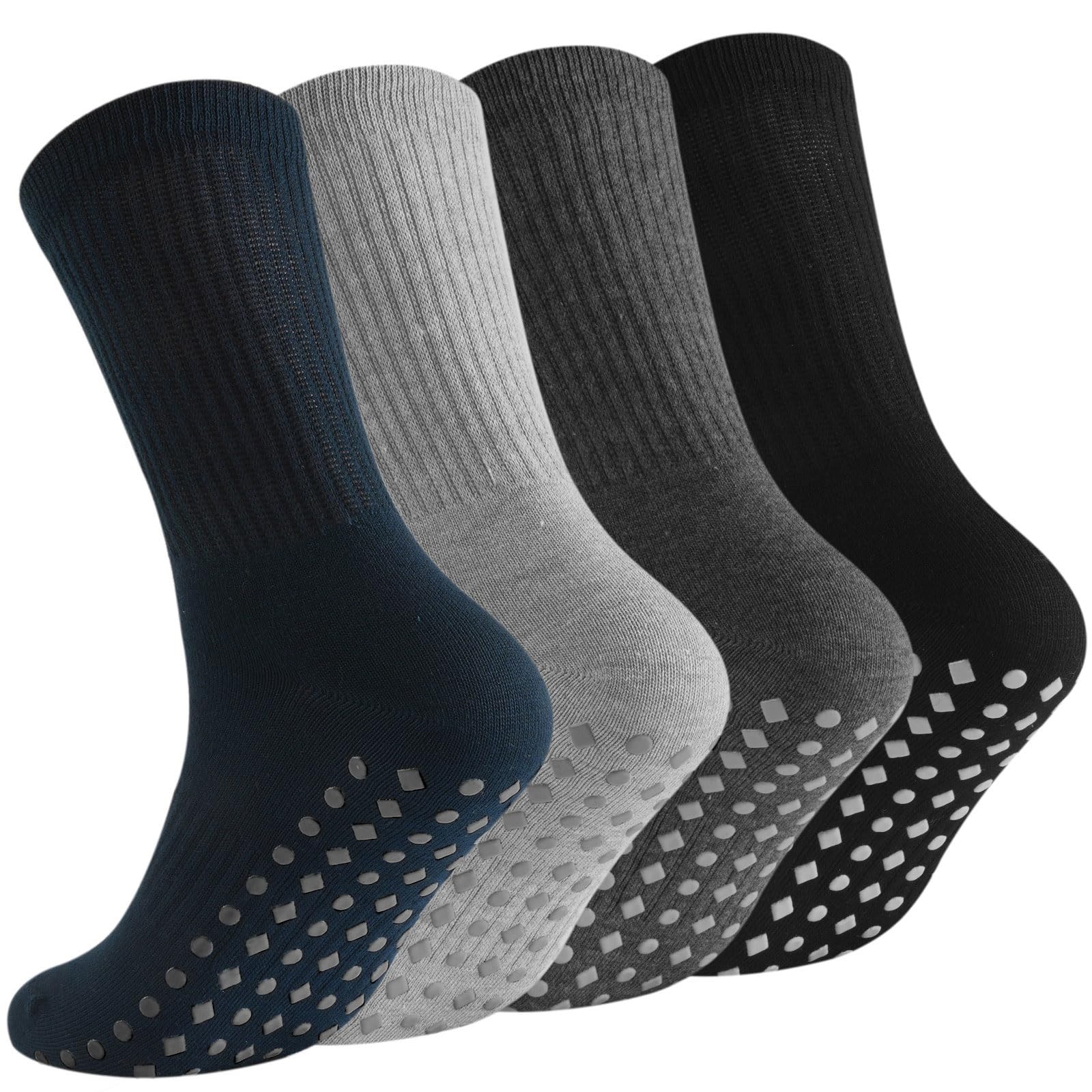
Non-Slip Grip Crew Socks for Hospital and Elderly Use
- Taller crew cuff stays put without binding tightly
- Grip pattern on both sole sides
- Sold in multi-packs, good value per pair
- Cuff runs non-binding by design — less compression than some prefer
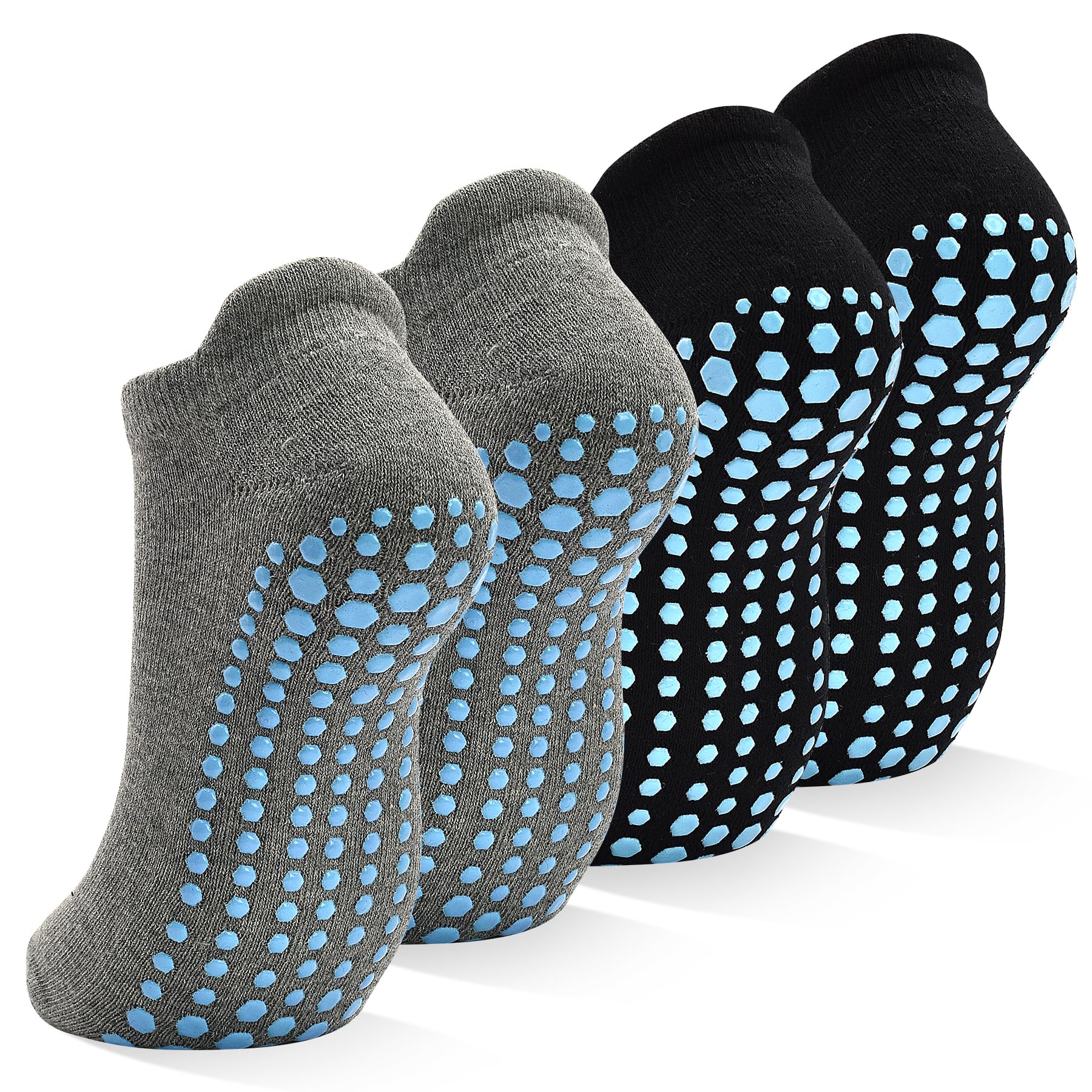
SkiBeaut Grip Non-Slip Socks, 4-Pair Pack
- 4 pairs per pack — practical for daily rotation and laundry
- Wide size range (5-12)
- Lightweight, fits inside most slippers
- Grip pattern is lighter-duty than thicker hospital-style socks
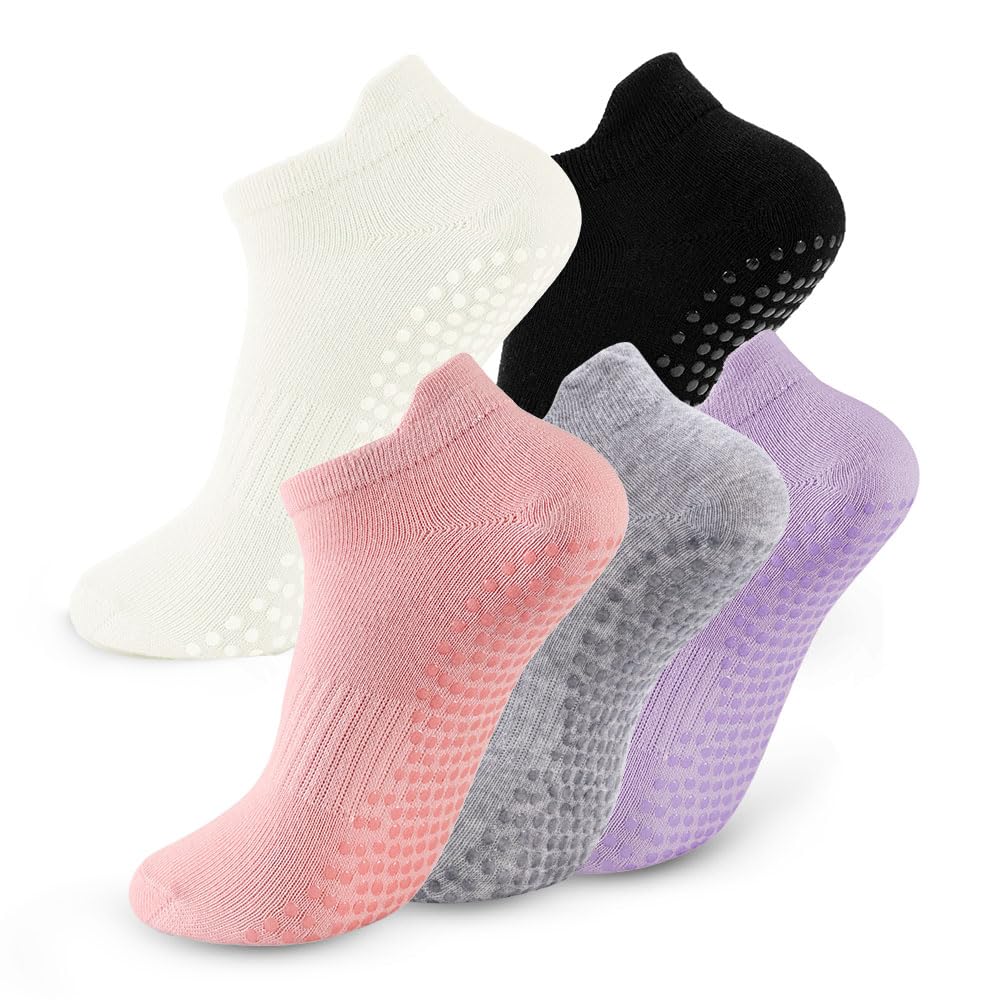
Non-Slip Grip Socks for Home and Recovery Use, 5-Pair Pack
- 5-pair pack covers a full week without daily washing
- Grip coverage across the full sole, not just ball and heel
- Marketed specifically for hospital/recovery use
- Fit runs true-to-size rather than roomy — check the size chart if feet swell
Why Grip Socks Are Worth Taking Seriously
Falls are the leading cause of injury among older adults, and a surprising number happen indoors, in socked or bare feet, on hardwood or tile rather than outside on ice. Regular socks — especially cotton ones — get slippery on smooth flooring almost immediately, which is exactly why hospitals and rehab facilities put patients in grip-soled socks the moment they're up and walking again. The same logic applies at home: a $15–20 multi-pack of grip socks is one of the least expensive, least disruptive fall-prevention changes you can make, especially for anyone who prefers going without shoes indoors.
What Actually Makes a Grip Sock Work
Grip placement matters more than grip amount
- Coverage on both the ball and heel of the foot matters more than a large grip pattern in one spot — most falls happen during a pivot or turn, when weight shifts to the side of the foot a heel-only or toe-only grip pattern misses.
- Silicone or rubber dot/strip patterns molded directly into the sole outperform printed-on grip coatings, which can wear smooth and lose traction after repeated washing.
- A sock that grips well on tile or hardwood may still slide on carpet or a rug — check reviews for the specific flooring you have, since grip socks aren't uniformly effective on every surface.
Sizing and fit affect safety, not just comfort
- A sock that's loose at the ankle can bunch or slip inside a shoe or slipper, which defeats the purpose and can itself be a trip hazard.
- Seniors with lower-leg swelling (edema) often do better with a non-binding, wider-cuff style rather than a standard tight ribbed top, which can dig in and restrict circulation over a full day of wear.
- Diabetic or neuropathy-friendly versions use a seamless toe and non-binding cuff specifically to avoid pressure points that can go unnoticed with reduced sensation — worth checking for if that applies.
Grip Socks vs. Slippers vs. Shoes
Grip socks are a good default for short indoor trips — bathroom at night, kitchen, hallway — but they're not a universal replacement for supportive footwear. A senior who spends most of the day up and moving around is generally better served by a proper slipper or indoor shoe with a firm sole and back support; grip socks shine specifically for the barefoot-to-bathroom-at-3am scenario, where putting on shoes isn't realistic but bare feet or plain socks are a real slip risk.
Where Grip Socks Fall Short
Fabric grip soles work on dry, smooth flooring — they are not a substitute for bathroom-specific safety equipment on wet tile or in the shower itself, where a fabric sole (wet or dry) behaves very differently than it does in a hallway. If falls are happening in the bathroom specifically, our bathroom safety guide covers grab bars, shower chairs, and non-slip mats built for wet surfaces, which is the right tool for that specific room. Grip socks and a rollator or cane also aren't interchangeable — a sock improves traction, it doesn't add the balance support a mobility aid provides; see our rollator and walker guide if balance, not just traction, is the underlying concern.
Matching the Sock to the Person
Grip socks look nearly identical on a product page, but the right pair depends on the wearer's feet, health, and where they'll actually walk in them.
If circulation or swelling is a factor
Choose a non-binding, wider-cuff style rather than a tight ribbed top. A cuff that leaves a deep mark or feels tight by afternoon can restrict circulation over a full day and is uncomfortable enough that the socks stop getting worn. This is a different goal than compression — grip socks should not squeeze the leg.
If there's diabetes or neuropathy
Reduced sensation means a seam or tight band can create a pressure point or blister that goes unnoticed until it's a problem. Look for seamless-toe, non-binding versions made with that in mind, and check the feet regularly regardless of which sock is worn.
If the feet run cold
A thicker, fuzzy knit keeps floors from feeling icy, which matters for anyone who avoids walking because cold tile is unpleasant. The trade-off is that a bulky knit may not fit inside a snug shoe or slipper, so keep those for barefoot-around-the-house wear.
If they'll be worn inside shoes or slippers
A thinner, lower-profile grip sock fits inside footwear without bunching. A sock that's loose at the ankle can slide down inside a shoe and become its own trip hazard, so fit at the cuff matters as much as grip at the sole.
How to Get the Most Out of Grip Socks
- Wear them grip-side down. It sounds obvious, but double-check, because a few styles have subtle patterns and a sock worn inside-out offers no traction at all.
- Replace them on a schedule, not when they fail. Molded grip lasts longer than printed grip, but all of it wears with washing. If the dots feel smooth or flattened, the traction is gone even if the sock looks fine — this is why a multi-pack beats a single pair.
- Wash inside a mesh bag and skip fabric softener, which can coat the grip and reduce traction. Air-drying or low heat preserves the silicone longer than high heat.
- Check the grip against your actual floors. A sock that holds beautifully on tile can still slide on a loose rug or a polished wood floor with a wax finish. Test on the surfaces the person actually crosses.
- Keep a pair by the bed. The barefoot walk to the bathroom at night is exactly the scenario grip socks are best at; having them within reach makes them get used.
Common Mistakes to Avoid
- Treating grip socks as a substitute for supportive footwear. For a full day up and moving, a firm-soled slipper or indoor shoe with back support is safer. Grip socks shine for short barefoot trips, not all-day wear.
- Assuming they work on wet surfaces. A fabric sole behaves very differently on wet tile or in a shower than on a dry hallway floor. Bathrooms need bathroom-specific safety equipment, not grip socks.
- Buying a heel-only or toe-only grip pattern. Most indoor falls happen during a turn or pivot, when weight shifts to the side of the foot. Coverage across both the ball and heel matters more than a big pattern in one spot.
- Choosing a tight cuff for a swollen leg. It restricts circulation and won't get worn. Match the cuff to the leg.
- Confusing them with compression socks. These solve traction, not circulation. If the goal is reducing swelling, that's a different product entirely.
A Note on Safety and Limits
Grip socks reduce one specific risk — slipping on smooth, dry indoor flooring in socked or bare feet. They do not add balance support, they don't help on stairs the way a handrail does, and they aren't a fall-prevention plan on their own. Think of them as one inexpensive layer alongside good lighting, clear walkways, removed scatter rugs, and, where balance is the real issue, a proper mobility aid. They earn their place precisely because they're cheap and easy, not because they replace anything more substantial.
Frequently Asked Questions
How often should grip socks be replaced?
There's no fixed number, but replace them once the grip feels smooth or flattened rather than tacky. Molded silicone lasts longer than printed patterns, and washing wears both down well before the fabric itself wears out — which is why buying a multi-pack and rotating them makes sense.
Do grip socks work on carpet?
Less predictably than on hard floors. Grip patterns are designed to bite smooth surfaces like tile and hardwood; on carpet or a plush rug there's less for them to grab, and a loose rug can slide regardless. Test on the actual surfaces the person walks.
Are grip socks safe for someone with diabetes?
Often, if you choose a seamless-toe, non-binding style that avoids pressure points, and if the feet are checked regularly. Anyone with diabetes or neuropathy should be cautious about tight cuffs and hidden seams, and raise any foot concerns with their doctor.
Can grip socks be worn in the shower?
No. A fabric sole on wet tile behaves very differently than on a dry floor and can be slippery. Use bathroom-specific non-slip mats, a shower chair, and grab bars for wet areas instead.
Grip socks or slippers — which is safer?
For short indoor trips and nighttime bathroom visits, grip socks are convenient and effective. For most of the day up and about, a supportive slipper or indoor shoe with a firm sole and back is generally the safer choice. Many households use both, for different moments.
Our Top Picks
All four below use a molded (not printed) grip sole with coverage on both the ball and heel, based on the specifications and the recurring patterns in verified buyer reviews. We haven't tested these side by side on identical flooring, so treat this as a researched starting point, not a lab comparison.
The Bottom Line
Grip socks are a small, inexpensive change with an outsized safety payoff for indoor falls specifically — but check the grip placement (ball and heel, not just one), get the cuff width right if swelling is a factor, and remember they solve a different problem than bathroom safety equipment or a mobility aid — and a different problem than compression socks, which target circulation and swelling rather than traction. Some households end up wanting both, worn at different times of day. Buy a multi-pack rather than a single pair; grip socks wear out with washing well before they wear out from use.


