Best Compression Socks for Seniors (2026): Better Circulation, Less Swelling
Compression socks apply graduated pressure that's tightest at the ankle and loosens up the leg, which helps push blood back toward the heart instead of pooling in the feet. Here's how to pick the right compression level, which brands are actually comfortable for daily wear, and when to check with a doctor before using them.
As an Amazon Associate I earn from qualifying purchases. We independently review products; buying through our links never costs you extra.
Most Comfortable for All-Day Wear
Sockwell Elevation Graduated Compression Socks
Quick picks
| Product | Best for | Amazon |
|---|---|---|
| Sockwell Elevation Graduated Compression Socks | Most Comfortable for All-Day Wear | Check price on Amazon |
| Physix Gear Compression Socks | Value | Check price on Amazon |
| CEP Medi Compression Socks | Extended Standing | Check price on Amazon |

Our Top Picks
Chosen for seniors based on features, specs, and verified buyer reviews.
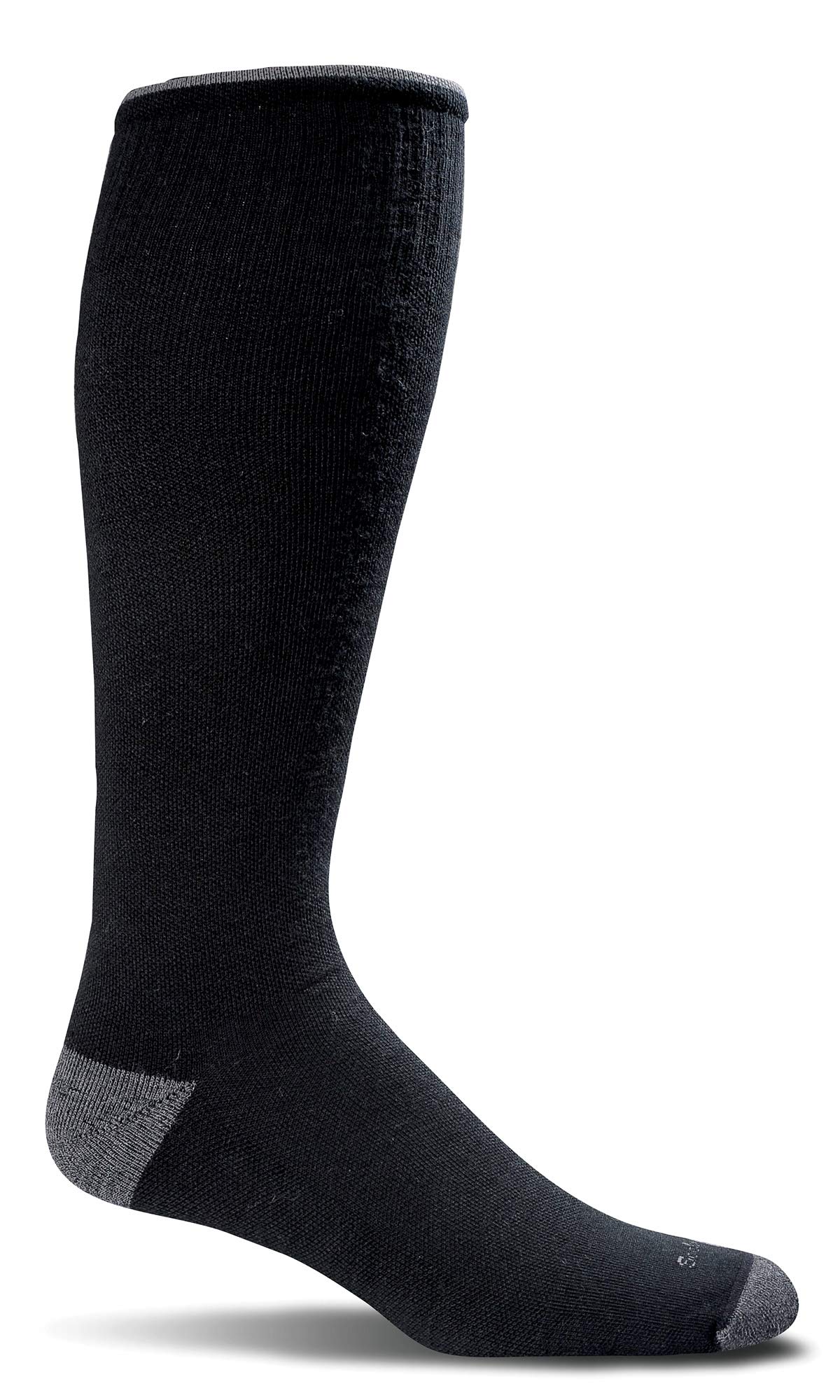
Sockwell Elevation Graduated Compression Socks
- Merino wool blend regulates temperature better than synthetics
- Four-zone compression targets arch and ankle
- Mild-to-moderate compression suits everyday use
- Pricier than all-synthetic options
- Not firm enough for medically-directed higher compression needs

Physix Gear Compression Socks
- Firm 20-30 mmHg graduated compression
- Reliable durability across repeated washing
- Accessible price point
- No temperature-regulating fabric
- Firmer compression may feel intense for first-time wearers
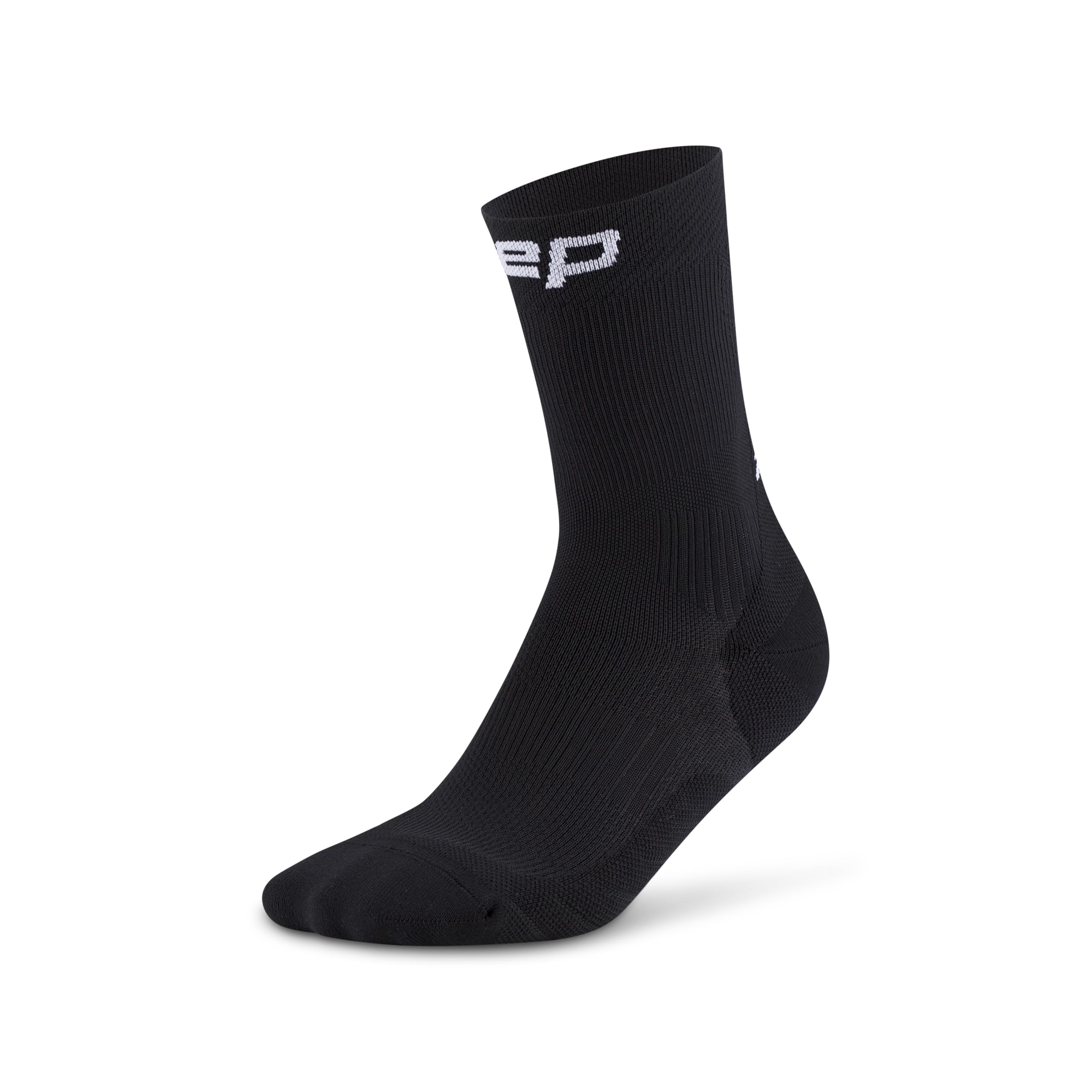
CEP Medi Compression Socks
- Precise 20-30 mmHg graduated compression
- Cushioned footbed padding
- Holds compression strength longer through repeated wear
- Highest price of the three picks
- Performance-oriented fit may run snugger than expected
The Short Answer
For everyday comfort, Sockwell's merino wool blend socks are the least likely to feel stiff or hot after a full day of wear. For a reliable mid-range option at a fair price, Physix Gear delivers solid 20-30 mmHg compression without extra features driving up the cost. For someone who stays on their feet for extended periods, CEP's socks hold their compression longer than budget alternatives, though they cost more upfront.
Why Compression Matters More With Age
Vein valves that push blood back up the legs work less efficiently over time, and long stretches of sitting or standing make it worse — this is why ankle swelling by the end of the day is such a common complaint. Graduated compression counteracts that by physically squeezing the lower leg more tightly at the ankle than higher up, encouraging blood flow upward instead of letting it pool. It's genuinely helpful for everyday swelling, long car rides or flights, and general circulation support — but it's also frequently misused, so a few caveats matter here.
Compression Levels: Don't Guess
- 8-15 mmHg (mild): Over-the-counter support for everyday light swelling or long periods of standing. Widely available, no prescription needed.
- 15-20 mmHg (moderate): The most common recommendation for daily comfort and mild circulation support, and typically what's meant by generic "compression socks" sold at pharmacies.
- 20-30 mmHg (firm): Used for more noticeable swelling, varicose veins, or after certain medical guidance. Can feel tight to someone new to compression wear.
- 30-40 mmHg and above (medical-grade): Prescription-strength, typically fitted and recommended specifically by a doctor for conditions like significant venous insufficiency or after certain surgeries — not a self-selected online purchase.
Higher compression is not automatically better. Jumping straight to 20-30 mmHg without medical guidance because it sounds more effective can be genuinely uncomfortable and, for some circulation conditions, actively wrong. When in doubt, start at 15-20 mmHg and ask a doctor before going higher.
Our Picks
Sockwell — Most Comfortable for All-Day Wear
Sockwell blends merino wool into the compression fabric, which regulates temperature better than the all-synthetic socks most competitors use — a real difference for anyone who finds typical compression socks hot and clammy by afternoon. A four-zone compression design targets the arch and ankle specifically rather than applying uniform pressure. Mild-to-moderate compression makes these a reasonable everyday choice rather than a medical-grade product.
Physix Gear — Best Value
Firm 20-30 mmHg graduated compression at a price well below premium brands, with reliable durability across repeated washing. No merino wool, no temperature-regulating claims — just straightforward compression that does the job, which is exactly the point for someone who wants function without paying for extras they won't notice.
CEP — Best for Extended Standing or Walking
CEP's medi compression technology delivers precise 20-30 mmHg pressure with cushioned padding in the footbed, aimed at people on their feet for hours at a stretch. These hold their compression strength longer over repeated wear than cheaper socks, which start losing effectiveness after enough washes — worth the higher price for daily, all-day use rather than occasional wear.
Fit Matters as Much as Compression Level
A compression sock that's the wrong size undermines the entire point — too loose and it won't compress properly, too tight and it can restrict circulation instead of helping it, which is the opposite of the goal. Most brands size by shoe size or a calf/ankle measurement rather than standard S/M/L; measuring the ankle and calf circumference before ordering avoids an uncomfortable, ineffective fit. Pulling firm compression socks on can also be a real dexterity challenge — a stocking donner (a simple fabric or plastic aid) can help for anyone who struggles to get them over the heel.
When to Check With a Doctor First
Compression socks are not appropriate for everyone. Anyone with peripheral artery disease, certain forms of neuropathy, or poor arterial circulation should get medical guidance before wearing compression garments, since restricting blood flow further in a compromised artery is the opposite of helpful. This is also worth combining with a broader look at footwear — our guide to non-slip socks for fall prevention covers a related but different problem (traction, not circulation), and some households end up wanting both types for different times of day.
How to Put Them On (and Take Them Off)
Firm compression socks are deliberately snug, which makes getting them on the single most common reason people give up on them. A little technique solves most of that.
- Put them on first thing in the morning, before the legs have had a chance to swell. Ankles and calves are at their smallest right after waking, and a sock that goes on easily then may be a fight by afternoon.
- Turn the sock partly inside out to the heel, seat the heel first, then roll the rest up the leg rather than yanking from the top. Pulling from the cuff bunches the fabric and strains both the sock and the hands.
- Smooth out every wrinkle. A folded band digs a tight line into the skin and concentrates pressure where it isn't wanted. The fabric should lie flat from toe to top.
- Use a stocking donner if the reach or grip is hard. This simple frame or fabric aid holds the sock open so the foot slides in without deep bending or a strong pinch — a genuine help for arthritis, a big belly, or a stiff back. Rubber dishwashing gloves also improve grip on the fabric.
- Don't roll or fold the top down to "shorten" them. A rolled cuff creates a tight tourniquet-like band. If they're too long, choose a shorter length instead.
Choosing for the Specific Person
Trouble getting them on
Favor the lower end of the appropriate compression range and an open-toe or lower-cut style, and plan on a donner. A 15-20 mmHg sock is far easier to manage than a 20-30 mmHg one, and for everyday comfort it's often all that's needed.
Hot, sweaty, or sensitive skin
A merino-wool-blend sock regulates temperature far better than all-synthetic fabric, which is the difference between socks that get worn daily and socks that come off by lunch. Comfort drives compliance more than any single feature.
On the feet for hours at a stretch
A cushioned footbed and a sock built to hold its compression through repeated washing is worth the higher cost for daily, all-day wear. Cheaper socks relax over time and quietly stop doing their job.
Dexterity or sizing uncertainty
Because most brands size by a calf and ankle measurement rather than S/M/L, measure both circumferences (in the morning) before ordering. The right size is what makes compression comfortable; the wrong size is why people find it unbearable.
Common Mistakes to Avoid
- Buying higher compression because it "sounds stronger." Higher is not better, and 20-30 mmHg or above can be genuinely uncomfortable or, for some circulation conditions, wrong. Start at 15-20 mmHg unless a doctor directs otherwise.
- Skipping the doctor when arterial circulation is in question. Compression is not appropriate for everyone, and for peripheral artery disease or certain neuropathies it can do harm. This is the one caveat worth being firm about.
- Guessing the size. Too loose and it doesn't work; too tight and it restricts instead of helps. Measure.
- Wearing them to bed by default. Standard daytime compression is generally removed at night unless a doctor advises otherwise.
- Rolling the top down or leaving wrinkles, both of which create tight bands that concentrate pressure and can pinch off circulation at that line.
Frequently Asked Questions
Should compression socks be worn all day, or just certain times?
This depends on the reason for wearing them and any doctor's guidance — general daily-comfort compression is often worn during waking hours and removed at night, while medical-grade compression may have a specific prescribed schedule. There's no universal answer here.
Can compression socks be worn to bed?
Generally not recommended for standard daytime compression socks unless a doctor specifically advises it — nighttime compression, when used, typically involves a different, lighter product designed for that purpose.
Do compression socks help with restless legs or leg cramps?
Some people report relief, but compression socks are not a proven treatment for restless leg syndrome specifically, and cramping has many possible causes. Worth mentioning to a doctor rather than assuming compression alone will resolve it.
How do I measure for the right size?
Most compression socks are sized by ankle and calf circumference, sometimes with shoe size, rather than S/M/L. Measure in the morning when the legs are least swollen, follow the specific brand's chart, and re-measure if weight or swelling changes noticeably. Correct sizing matters as much as the compression level itself.
How long do compression socks last?
They gradually lose elasticity and effective compression with washing and wear — many wearers replace them every few months with daily use, sooner if they start to feel loose or slide down. A sock that no longer feels snug at the ankle has likely stopped delivering its rated compression.
How should they be washed?
Follow the label, but gentle washing and air-drying or low heat generally preserve the elastic fibers longer than hot water and high-heat drying. Avoid fabric softener, which can degrade the stretch. Having two or three pairs to rotate extends the life of each.
Are open-toe or closed-toe better?
It's mostly preference. Open-toe styles can be easier to get on, allow a toe check, and suit people who find closed toes tight or hot, while closed-toe styles keep the whole foot covered and warm. Neither is inherently more effective; the compression comes from the leg portion.
Can both legs use the same size if they're different?
If the legs differ noticeably in circumference, size to each leg rather than forcing one size on both. A sock that fits one calf may be too tight or too loose on the other, and some brands sell singles or offer wide-calf options for exactly this reason.
The Bottom Line
Start with a moderate 15-20 mmHg pair from Sockwell or Physix Gear for everyday comfort, and only step up to firmer compression with a doctor's input. CEP is worth the extra cost specifically for people on their feet for long stretches. Whatever the brand, correct sizing and the right compression level matter more than which company made them. For joint stiffness rather than swelling, a good heating pad with a real auto shut-off addresses a different problem and is worth having alongside compression wear, not instead of it.


