Best Adaptive Clothing for Seniors (2026): Easy-Dress Options for Arthritis & Limited Mobility
Magnetic buttons and Velcro closures solve a different problem than a dressing stick or button hook — they remove the fine-motor task entirely instead of working around it. Real brands, real trade-offs, and one safety caution worth knowing before buying.
As an Amazon Associate I earn from qualifying purchases. We independently review products; buying through our links never costs you extra.
Best for Everyday Wear
Silverts Adaptive Magnetic Closure Top
Quick picks
| Product | Best for | Amazon |
|---|---|---|
| Silverts Adaptive Magnetic Closure Top | Everyday Wear | Check price on Amazon |
| MagnaReady Magnetic Button-Down Dress Shirt (Men's) | a Dressier Look | Check price on Amazon |
| Silverts Open-Side Adaptive Pants | Adaptive Pants | Check price on Amazon |
| BILLY Footwear Adaptive Zip-Around Shoes | Adaptive Footwear | Check price on Amazon |

Our Top Picks
Chosen for seniors based on features, specs, and verified buyer reviews.
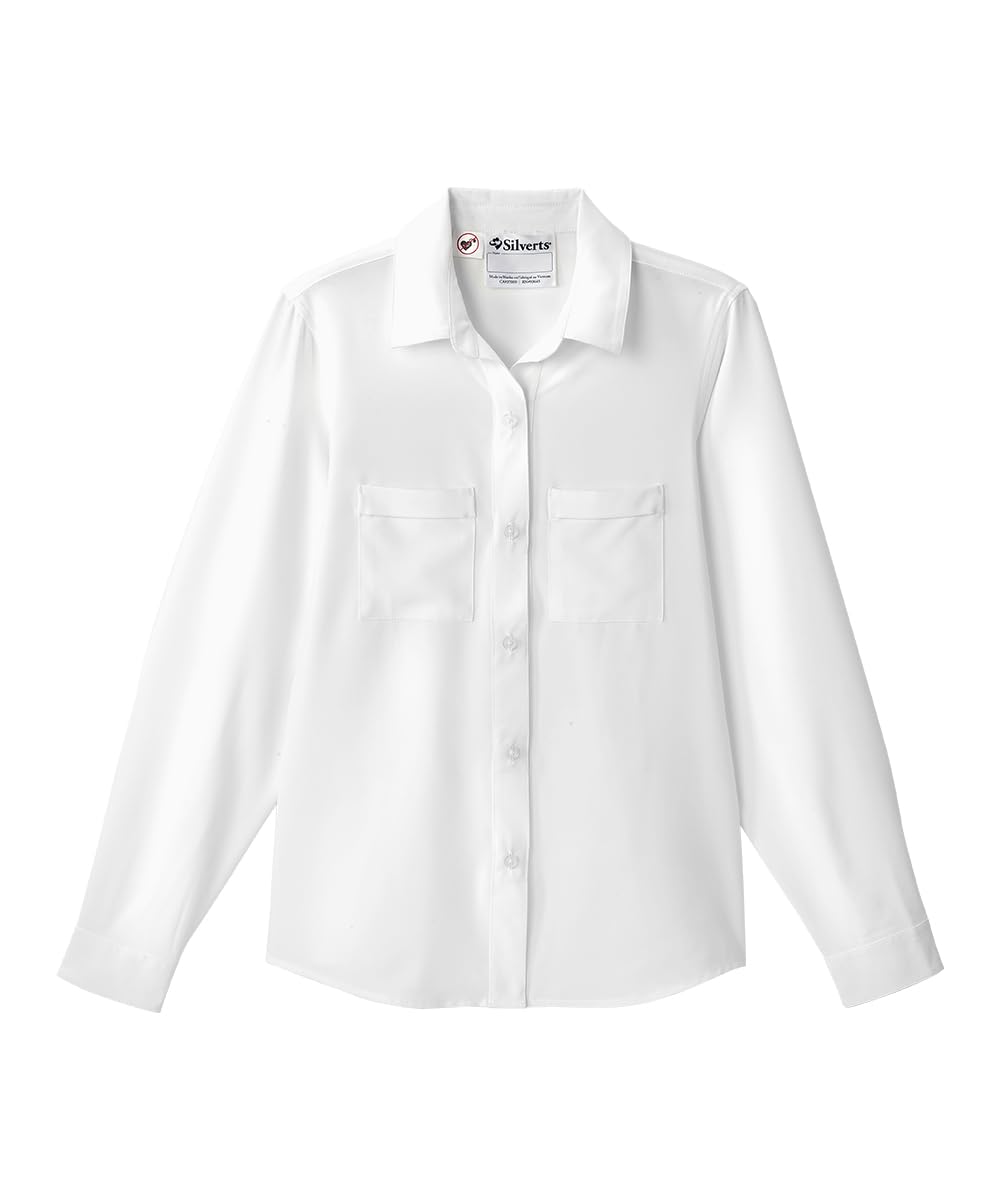
Silverts Adaptive Magnetic Closure Top
- Magnetic placket looks like a standard button-down from a distance
- No pinching or fine finger work needed to close
- Available in men's and women's cuts
- Check with a doctor first if the wearer has a pacemaker or ICD
- Narrower color and size range than mainstream shirt brands
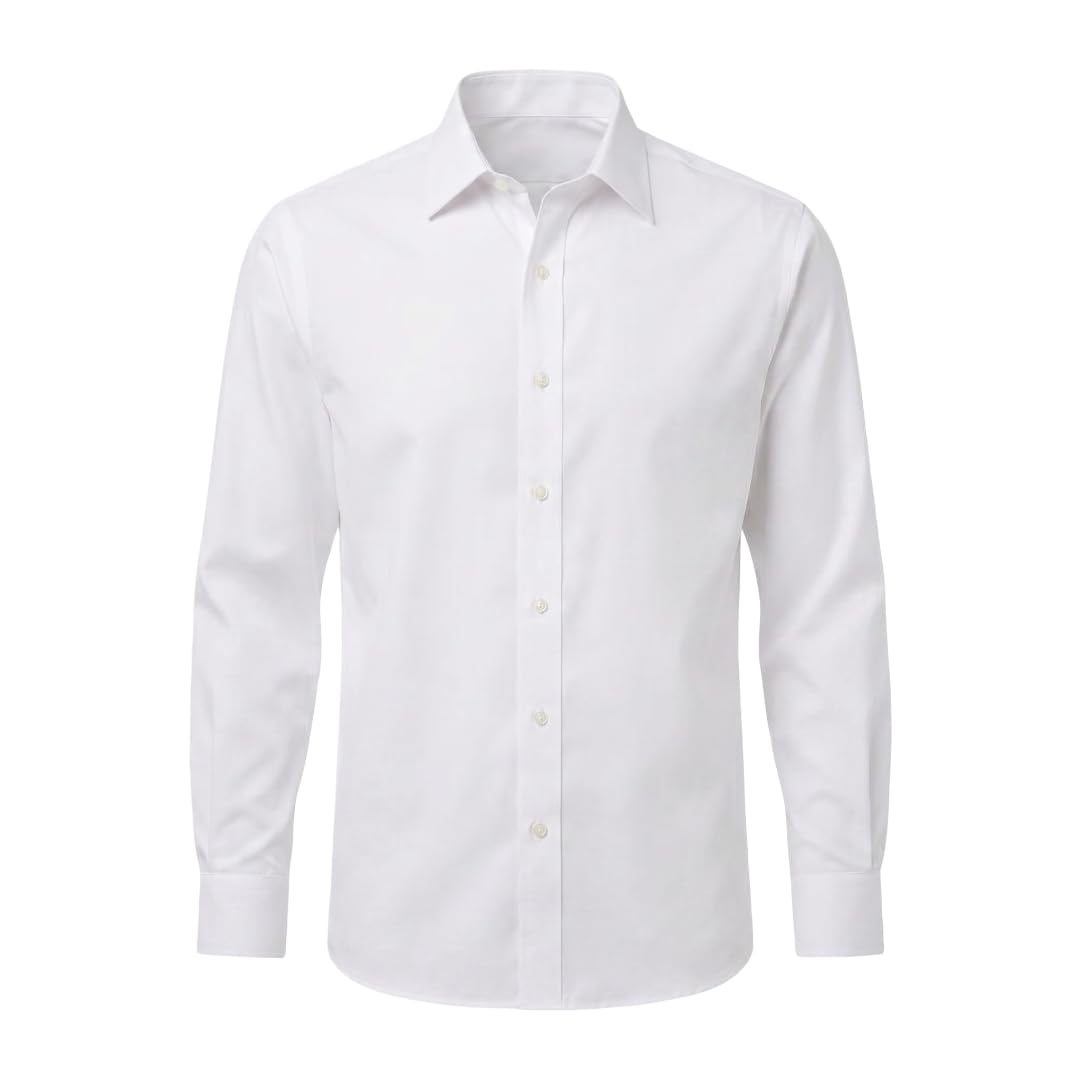
MagnaReady Magnetic Button-Down Dress Shirt (Men's)
- Tailored fit intended for work or dressier occasions, not just loungewear
- Magnetic closures hidden behind a traditional-looking button placket
- One-handed dressing is realistic with this design
- Priced closer to a dress shirt than a basic adaptive top
- Same pacemaker/ICD caution applies
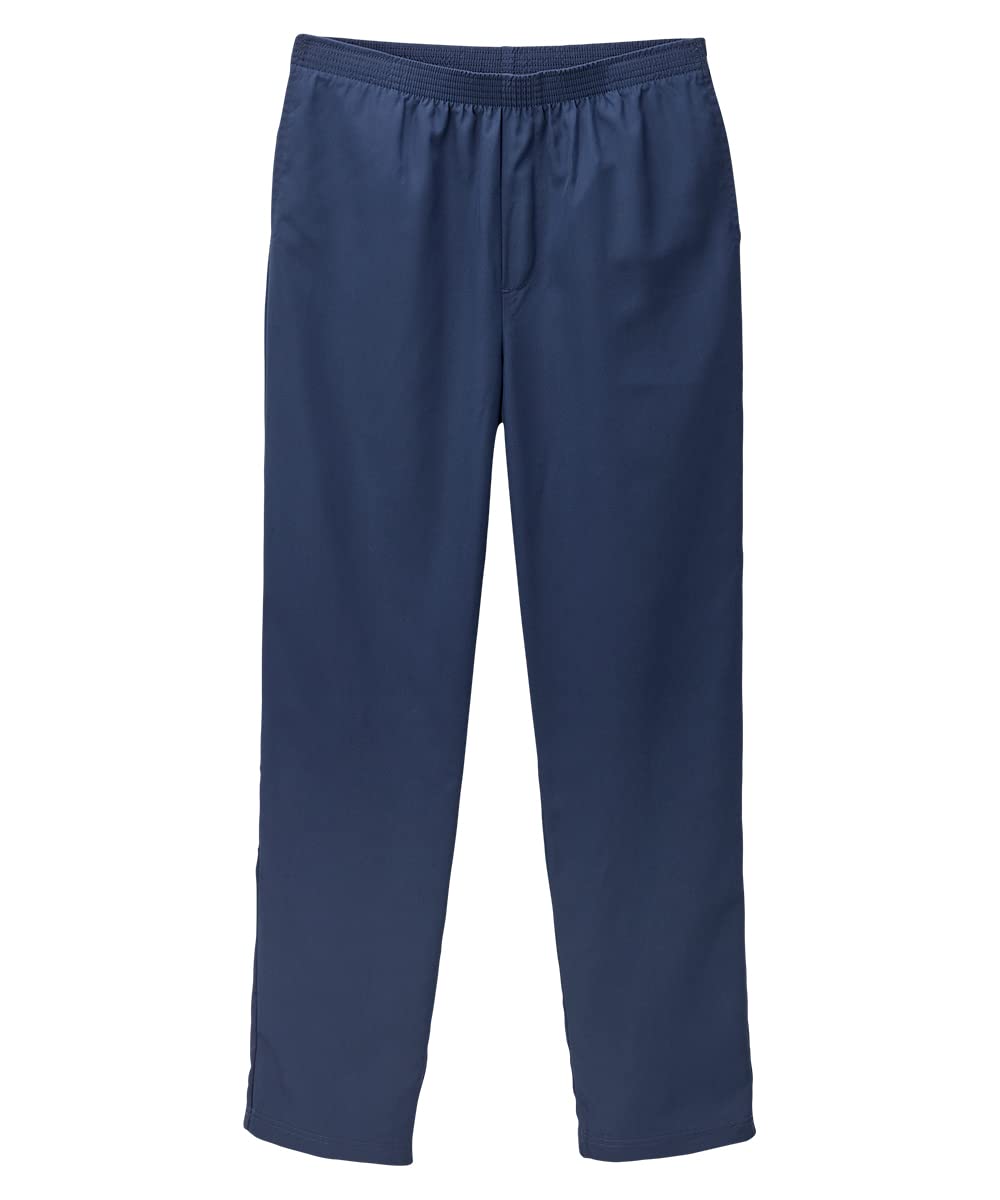
Silverts Open-Side Adaptive Pants
- Side-opening design avoids stepping into a full pant leg or balancing on one foot
- Velcro closures adjust through the day if swelling is a factor
- Practical for seated dressing or caregiver-assisted dressing
- Look is more elastic-waist casual than tailored
- Not ideal if a fully standard appearance is the priority

BILLY Footwear Adaptive Zip-Around Shoes
- Full zipper opens the entire shoe flat — no bending to tie or wrestle a shoehorn
- Easier to get a swollen foot in and out than a laced shoe
- Looks like ordinary sneakers, not medical footwear
- Zipper pull still requires a small amount of hand dexterity
- Fewer style options than mainstream sneaker brands
A Different Fix Than a Dressing Tool
Our daily living aids guide covers tools like dressing sticks and button hooks that help someone work a standard button or zipper with reduced hand strength. Adaptive clothing takes a different approach: instead of a tool to work the fastener, the fastener itself is redesigned so the fine-motor task mostly disappears. A magnetic shirt front looks like a normal button-down from three feet away, but it closes with a light touch instead of small fingers threading a button through a hole — a meaningful difference for anyone with arthritis, tremor, or a healing hand injury.
The Two Main Closure Types
- Magnetic closures: Small magnets sewn behind a normal-looking button placket snap the fabric together with a light touch — no pinching, twisting, or aligning a button with a hole. Common on shirts, and increasingly on pants with a magnetic fly.
- Velcro (hook-and-loop) closures: A peel-and-stick fastener that's faster to manage than a button or zipper and, unlike a fixed closure, can be adjusted slightly through the day if hands or feet swell.
Both look close to standard clothing on the outside — this isn't the same category as obviously medical-looking gowns, and that distinction matters for a lot of seniors who want function without looking like they've been dressed for a hospital.
An Important Safety Note
If the wearer has a pacemaker or an implantable cardioverter-defibrillator, magnetic closures need a quick check first — the American Heart Association advises keeping magnets at least six inches from an implanted device. It's a small risk for a small, low-power garment magnet, but it's exactly the kind of detail a generic "best adaptive clothing" list skips, and worth a two-minute conversation with a doctor rather than assuming it's fine. Velcro closures avoid the question entirely.
What to Look For in Adaptive Clothing
Once you've decided a redesigned closure is what you need, a handful of details separate clothing that genuinely makes dressing easier from a garment that only looks the part. Judge each piece against how the wearer's hands, shoulders, and skin actually work on a hard morning, not on a good one.
- Closures an arthritic hand can truly manage. Magnetic plackets and hook-and-loop tabs remove the pinch-thread-align motion that small buttons demand. If a garment still has tiny snaps, a stiff zipper with a small pull, or a hook-and-eye at the collar, it hasn't solved the fine-motor problem — it has just moved it.
- An opening that matches how the person moves. Over-the-head tops require raising both arms; side-opening or back-opening styles don't. Step-in pants require balancing on one leg; open-side pants can be managed seated. Match the opening to the motion that's hard, not just to the fastener that's hard.
- Soft, flat seams and tagless necks. Older skin is often thinner and more prone to pressure marks and tears. Flat-lock seams, covered zippers, and printed-on (not stitched-in) labels reduce the small irritations that make someone stop wearing an otherwise good garment.
- Genuine washability. Confirm the piece is machine washable and that its magnets or hook-and-loop tabs are rated to survive repeated laundering. Hook-and-loop should have a protective tab or backing so it doesn't snag everything else in the load.
- A little stretch in the fabric. Some give makes a sleeve or waistband far easier to work over a swollen, stiff joint than a rigid woven fabric.
- Grip-friendly pulls. Where a zipper remains, an oversized pull, a fabric loop, or a ring is much easier to catch with a weak pinch than a flat metal tab.
- Honest sizing for a seated body. Someone who dresses sitting down or spends most of the day in a chair is shaped differently than a standing mannequin. Look for adaptive or seated-fit cuts, and check the brand's own measurement chart rather than trusting a generic S/M/L.
How to Choose the Right Option for the Situation
The best choice depends less on the brand than on which part of dressing has actually become hard, and on who is doing the dressing.
If arthritis or hand weakness is the main issue
The fastener is the enemy. Prioritize magnetic-closure shirts and pants and lace-free footwear, and keep at least one dressier magnetic-button shirt for occasions that call for it. The goal is to eliminate the pinch-and-thread motion entirely rather than making it slightly easier.
If mobility or balance is limited
The motion is the enemy more than the fastener. Side-opening or open-side pants remove the need to balance on one leg, and step-in or zip-around shoes remove the bend-and-tie. A stable place to sit while dressing matters as much as the clothing itself.
If a caregiver, spouse, or aide does most of the dressing
Back-opening tops and open-side pants that fasten with hook-and-loop are designed to be put on a seated or reclining person with the least lifting and rolling. These prioritize the helper's ease and the wearer's comfort over a fully standard look — a reasonable trade when getting dressed is a two-person job.
If skin is fragile or swelling comes and goes
Favor seamless or flat-seam construction and adjustable hook-and-loop closures that can be loosened as feet or hands swell through the day. Hook-and-loop also sidesteps the pacemaker question entirely, which can make it the simpler choice when a magnet check would otherwise be needed.
Getting the Most Out of Adaptive Clothing
The right garment helps most when the routine around it is set up well too.
- Dress sitting down on a stable chair or the edge of the bed whenever balance is any concern — it removes the fall risk that standing on one leg to dress creates.
- Dress the weaker or more painful side first, and undress it last. Guiding a stiff arm into a sleeve before a flexible one is far easier than the reverse.
- Lay clothing out in the order it goes on the night before, so the morning isn't spent reaching into low drawers or high shelves.
- Keep a dressing stick or long-handled shoehorn nearby. Adaptive clothing and simple dressing tools are complementary — the shirt solves the button, the stick solves the reach.
- Store magnetic garments flat and slightly apart so the plackets don't cling to each other in a drawer, and keep them away from credit cards and, importantly, at least six inches from any implanted heart device.
Common Mistakes to Avoid
- Replacing the whole wardrobe in one order. Start with one or two pieces, confirm they genuinely help, then expand. Feel and fit vary by brand.
- Skipping the pacemaker or ICD check. It takes one short conversation with a doctor and prevents a needless worry — or points you to hook-and-loop instead.
- Buying the wrong size to "make dressing easier." A too-large garment bunches and can become a trip hazard; a too-small one is hard to fasten over stiff joints. Use the measurement chart.
- Choosing an obviously medical-looking piece when appearance matters to the wearer. Dignity is part of the function. Many magnetic shirts look like ordinary button-downs — pick those when looking "dressed," not "patient-like," matters.
- Expecting the clothing to fix the whole task. If reaching overhead or bending is the real barrier, pair the garment with a dressing tool rather than assuming a magnetic shirt alone solves everything.
Our Top Picks
These four cover the categories that come up most — a magnetic-closure top for everyday wear, a dressier magnetic-button shirt, adaptive pants, and footwear that skips laces entirely.
What This Doesn't Solve
Adaptive clothing helps with the closure itself, not with the broader motion of getting dressed — raising arms overhead, balancing on one leg to step into pants, or reaching behind the back. For those motions, a dressing stick still earns its place in the closet even alongside magnetic shirts; the two are complementary, not competing, solutions. And adaptive clothing is a real but usually a smaller line at most retailers, so expect a narrower range of colors and cuts than standard clothing — fit and style compromise is the most common trade-off buyers report.
Frequently Asked Questions
Is adaptive clothing only for wheelchair users?
No. It's designed for a wide range of situations — arthritis, hand tremor, a healing injury, limited shoulder motion, or simply wanting dressing to take less effort. Someone fully mobile who struggles only with buttons is a very common adaptive-clothing user.
Will magnetic-closure shirts cause a problem with a pacemaker?
Small garment magnets are low-power, but the general guidance is to keep magnets at least six inches from an implanted pacemaker or defibrillator. If the wearer has either device, confirm with their doctor before choosing magnetic closures, or choose hook-and-loop instead, which avoids the question entirely.
How strong are the magnets — will a shirt pop open on its own?
Quality magnetic plackets are designed to hold through normal movement and re-align when they shift, but very strong reaching or a snug fit over a larger frame can occasionally separate them. If a reliably closed front is essential, size correctly and consider trying one shirt before committing.
Can a regular tailor alter adaptive clothing?
Length and simple takes-in are usually fine, but altering near a magnetic placket or a specialized opening can interfere with how the closure works. Ask the tailor to leave the adaptive feature itself untouched, and handle only the parts away from it.
Is adaptive clothing worth the higher price?
If a standard button or shoelace has become a daily barrier to dressing independently, the value is in the independence and safety it restores, not the fabric. Start small, confirm it helps for that person, and expand from there rather than paying for a full wardrobe up front.
The Bottom Line
If buttons, zippers, or shoelaces have become the actual daily obstacle — not just annoying, but a real barrier to dressing independently — adaptive clothing addresses that directly rather than working around it with a tool. Start with one or two magnetic-closure tops before replacing a whole wardrobe; it's a meaningfully different feel to get dressed in, and it's worth confirming it actually helps before committing further. If swelling or circulation — not fasteners — is the actual daily struggle, that's a different fix; see our guide to compression socks for seniors instead. And before committing to a new wardrobe, it's worth trying a purpose-built tool first — a button hook, zipper pull, or dressing stick solves the same fastening and bending problems for a fraction of the cost, and works with the clothes already in the closet; see our dressing aids guide for the specific tools to try before switching to adaptive clothing.


