Best Fall Detection Devices for Seniors (2026): Watches & Pendants Tested
The best fall detection devices for seniors — smartwatches and pendants that automatically call for help after a fall, tested for accuracy, comfort, and reliability.
As an Amazon Associate I earn from qualifying purchases. We independently review products; buying through our links never costs you extra.
Best Smartwatch for Fall Detection
Apple Watch SE
Quick picks
| Product | Best for | Amazon |
|---|---|---|
| Apple Watch SE | Smartwatch for Fall Detection | Check price on Amazon |
| Lively Mobile Plus | On-the-Go Independence | Check price on Amazon |

Our Top Picks
Chosen for seniors based on features, specs, and verified buyer reviews.
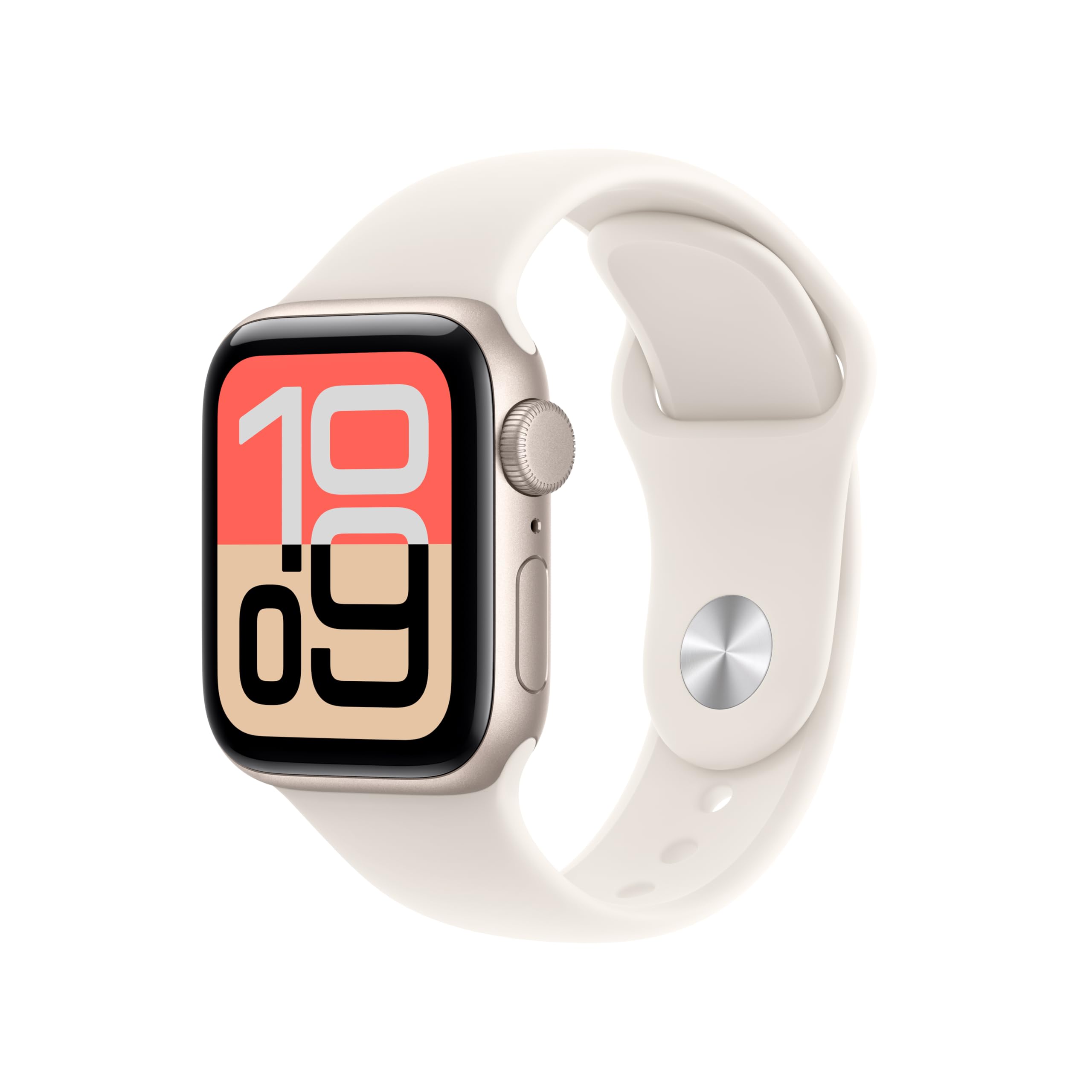
Apple Watch SE
- Automatic fall detection with emergency calling and location sharing
- Doubles as a full smartwatch with heart tracking and calls
- Cellular models work without a nearby phone
- Requires daily charging
- Needs an iPhone for full setup and features
Bay Alarm Medical Fall Detection Pendant
- Waterproof — safe to wear in the shower where many falls happen
- Battery lasts weeks, not a single day
- Connects directly to a 24/7 live monitoring center
- Requires a monthly monitoring fee
- Single-purpose device — no general smartwatch features
Medical Guardian MGMove Smartwatch
- Looks like a regular smartwatch, not a medical device
- Includes GPS, SOS button, and medication reminders
- Connects to a monitoring center like a dedicated pendant
- Needs more regular charging than a true pendant
- Monthly monitoring fee applies
Lively Mobile Plus
- Own GPS and cellular connection — no paired phone required
- Works away from home, not just indoors
- Compact clip- or pocket-carried design
- Automatic fall detection is an optional add-on, not standard
- Separate device to carry rather than a worn watch or pendant
Kanega Watch by UnaliWear
- Combines fall detection with voice-prompted medication and appointment reminders
- Simpler button-and-voice interface than a touchscreen smartwatch
- Wears more like a traditional watch than a medical device
- Fewer general smartwatch features than Apple or Samsung options
- Monthly monitoring fee applies
Falls are the leading cause of injury for older adults, and the seconds after one matter enormously. A fall detection device automatically senses a hard fall and calls for help — even if you can't press a button or reach a phone. After comparing the leading options, our top pick is the Apple Watch SE for tech-comfortable seniors, while the Bay Alarm Medical fall detection pendant is the simplest, most reliable choice for everyone else.
Our Top Picks
Apple Watch SE — Best Smartwatch for Fall Detection
The Apple Watch SE offers accurate, well-refined fall detection: after a hard fall, if you don't respond within a minute, it automatically calls emergency services and messages your contacts with your location. It also does heart tracking and easy calls, though for anyone managing hypertension specifically, a dedicated blood pressure monitor with irregular heartbeat detection gives more useful readings than a wrist sensor. The trade-off is that it needs daily charging and a bit of setup — best for seniors already comfortable with an iPhone. Note that budget smartwatches and fitness bands under $100, covered in our budget smartwatches guide, generally skip cellular fall detection entirely — that safety feature is specific to premium watches like this one, not a given at every price point.
Check price on AmazonApple Watch SE
Bay Alarm Medical Pendant — Simplest & Most Reliable
For a pure, foolproof safety device, a dedicated pendant beats a smartwatch. Bay Alarm's fall-detection pendant is waterproof (wear it in the shower, where many falls happen), has a long battery life measured in weeks rather than a day, and connects straight to a 24/7 monitoring center — no phone, apps, or daily charging required. The tradeoff is a monthly monitoring fee and a device that does one thing well rather than doubling as a general-purpose watch.
Medical Guardian MGMove — Best Discreet Smartwatch
The MGMove looks like an ordinary smartwatch rather than a medical device, but includes GPS, an SOS button, medication reminders, and monitoring-center access underneath. It's a good middle ground for active seniors who want fall safety without the visual stigma some associate with a medical pendant, at the cost of needing more regular charging than a true pendant.
Lively Mobile Plus — Best for On-the-Go Independence
The Lively Mobile Plus is a small, clip- or pocket-carried device rather than a watch or pendant, with its own GPS and cellular connection so it works away from home — at the grocery store, on a walk, or at a doctor's appointment — without needing a nearby phone. Automatic fall detection is an optional add-on to the base monitoring plan rather than a standard feature, which is worth confirming when signing up.
Kanega Watch by UnaliWear — Best for Reminders Alongside Safety
The Kanega Watch combines fall detection and a monitoring-center SOS button with voice-prompted medication and appointment reminders, aimed specifically at seniors who want one device covering both safety and daily routine support rather than juggling a separate pill organizer app and a separate alert device. It looks and wears more like a traditional watch than the Medical Guardian MGMove, with a simpler button-and-voice interface in place of a touchscreen, which suits someone who finds touchscreens frustrating.
How Fall Detection Works
Fall detection uses an accelerometer and gyroscope to recognize the sudden motion and impact of a fall. When one is detected, the device starts a countdown; if you don't cancel it, it automatically contacts help — a monitoring center or emergency services — and shares your location. No system is perfect, so look for one with an easy way to cancel false alarms without it feeling punishing to do so.
Fall Detection Is a Safety Net, Not Prevention
A fall detection device gets help there faster after a fall — it doesn't reduce the odds of falling in the first place. That's a separate, trainable factor. Our guide to balance trainers and fall-prevention exercise gear covers safe, beginner-friendly equipment for building the balance and reflexive response that actually lowers fall risk over time.
What to Look For
- Automatic + manual SOS: The device should both detect falls and offer a button that can be pressed manually for any emergency, not just a fall.
- Waterproof: Many falls happen in the bathroom, so the device must be genuinely safe to wear in the shower, not just splash-resistant.
- Battery life: Pendants last days to weeks; smartwatches need daily charging — pick what actually fits the wearer's habits rather than what sounds most capable.
- Monitoring vs. self-contained: Decide between a professionally monitored device (a live operator assesses the situation) and one that calls family or 911 directly with no human triage in between.
How to Choose the Right One for Your Situation
Fall detection shows up in very different packages — a smartwatch, a monitored pendant, a discreet watch, a pocket device. The right one depends less on which is most advanced and more on the person who has to wear and use it every day.
- Comfort with technology. A smartwatch rewards someone already at ease with a phone, adding health tracking and messaging. For someone who finds touchscreens frustrating, a single-purpose pendant or a button-and-voice device is far more likely to be worn and used correctly.
- Homebound or active. A homebound person is well covered by a simple monitored pendant. An active person who leaves the house needs a device with its own GPS and cellular connection so a fall away from home still calls for help.
- Living alone. For someone alone, monitored fall detection — where a live operator responds even to silence — is the most dependable choice, because there may be no one else to notice a problem.
- Charging tolerance. A smartwatch needs daily charging; a pendant can run for much longer. Pick what fits the person's habits — a device that's dead on the charger protects no one.
- Waterproofing. Because many falls happen in the bathroom, a device that's genuinely safe to wear in the shower covers a high-risk moment that a device you remove to bathe does not.
- Monitored vs. self-contained. Decide between a live operator who assesses the situation (a monthly fee) and a device that calls 911 or family directly with no human triage in between. Both are valid; they suit different priorities and budgets.
Common Mistakes to Avoid
- Choosing on features instead of on the wearer. The most advanced device is worthless if the person won't wear it or can't operate it under stress. Match the device to the person, not the spec sheet.
- Assuming fall detection catches every fall. Detection is good at hard, sudden falls but can miss a slow slump into a chair or the floor. Keep the manual SOS button as the primary tool and treat automatic detection as a backstop.
- Panicking over false alarms. Occasional false triggers are normal. What matters is an easy, non-punishing way to cancel one — and reassuring the wearer that a false alarm is fine, so they don't abandon the device out of embarrassment.
- Buying an in-home-only device for someone active. If the person leaves the house, a home-tethered device leaves them unprotected exactly when they're most exposed.
- Skipping the test. Trigger a test alert after setup so everyone knows what a real one looks like and how to cancel it.
- Forgetting to charge or wear it. A daily-charge device left off overnight, or a pendant set aside during a shower, is off at a high-risk moment. Build wearing and charging into a routine.
Setting Up and Getting Started
Whatever the device, the setup goals are the same: make sure it reaches help, and make sure the wearer is comfortable with it. For a monitored pendant, complete the test call so the center confirms it can hear the person and has the right address and contacts. For a smartwatch, enable fall detection in settings (it isn't always on by default), add emergency contacts, and confirm the countdown-to-call behavior. For any device, run a real test of the fall alert so the wearer sees the countdown and learns how to cancel a false alarm without stress. Charge it fully and settle on a routine — a nightly charge for a daily-charge device works best. Then talk through, without alarm, what will happen if it detects a fall, so a real event doesn't come as a surprise. Confirm waterproofing before anyone wears it in the shower.
Fall Prevention Beyond the Device
Fall detection is a safety net for after a fall; lowering the odds of falling in the first place is a separate effort, and a valuable one. The highest-impact steps cost little:
- Light the path to the bathroom and along nighttime routes with motion-activated night lights.
- Remove trip hazards — loose rugs, cords across walkways, and clutter on stairs.
- Add grab bars and non-slip mats in the bathroom, where a large share of falls occur.
- Review medications with a doctor or pharmacist, since dizziness and drowsiness are common, adjustable side effects.
- Check vision and footwear — an outdated prescription or loose slippers quietly raise the risk.
- Train balance and strength. Regular balance work measurably reduces fall risk over time; our balance trainers guide covers safe, beginner-friendly gear.
Frequently Asked Questions
Are fall detection devices accurate?
Modern devices are quite good at detecting hard falls, though no system catches every slow slump, and occasional false alarms happen. That's why the best devices give a clear countdown to cancel a false alert before help is actually called.
Do you need a monthly subscription for fall detection?
It depends. Pendants tied to a monitoring center require a monthly fee (about $10–$15 on top of the base plan). A smartwatch like the Apple Watch SE has built-in fall detection with no monitoring subscription, though it calls 911 and personal contacts rather than a dedicated agent.
Which is better — a smartwatch or a pendant?
A pendant is simpler, waterproof by design, and needs no daily charging — best for less tech-comfortable seniors. A smartwatch adds calls, health tracking, and messaging but requires charging and setup. Choose based on the wearer's comfort with technology, not on which sounds more advanced.
Will fall detection trigger from everyday activities like clapping or sitting down hard?
It can occasionally — vigorous activity or dropping into a chair sometimes reads as a fall. Modern algorithms have improved at telling the difference, and every good device gives a clear countdown to cancel a false alert before help is called. Occasional false triggers are a normal, manageable part of using the feature, not a sign the device is broken.
Can someone wear a fall-detection device all day, including sleeping?
Most pendants and many watches are comfortable enough for continuous wear, and continuous wear is exactly the point — falls happen at night too, often on the way to the bathroom. The practical limit is charging: a daily-charge smartwatch needs a charging window, so some people charge it while showering or during a set part of the day. A long-battery pendant sidesteps that trade-off.
Does fall detection work if the person is unconscious?
That's the core value of it. If a hard fall knocks the person out, the device detects the impact and, when the countdown passes without a response, contacts help on its own — precisely the situation a manual button can't cover. It's why fall detection is strongly worth having for anyone with a fall history, even though no system is perfect.
Is a smartwatch's fall detection as reliable as a dedicated medical device?
Premium smartwatch fall detection is well refined and genuinely useful, but it depends on charging and setup, and it typically calls 911 and personal contacts rather than a monitoring center that provides live triage. A dedicated monitored pendant trades the extra features for simplicity and a human on the line. Which is more reliable depends on the wearer — a watch left uncharged is less reliable than a pendant that's always on.
What should family do to prepare for a real fall alert?
Make sure everyone on the contact list knows they're on it and what an alert means, so a call or text isn't ignored. Keep the address and access details current with any monitoring service. And agree on a simple plan — who responds, who to call — so a real alert triggers calm, coordinated action rather than confusion.
The Bottom Line
If the wearer is comfortable with a phone, the Apple Watch SE delivers excellent fall detection plus much more. For everyone else, a waterproof Bay Alarm Medical pendant with 24/7 monitoring is the most dependable way to make sure a fall never goes unanswered. The Lively Mobile Plus and Kanega Watch are worth a look for specific needs — leaving the house often, or wanting reminders bundled with safety — that the two top picks don't fully cover.
Garmin also joined this category for the first time in September 2026, adding all-day fall detection to several watches. See our Garmin vs. Apple Watch fall detection comparison for how its contact-alert system differs from Apple's automatic call to 911.

