Best OTC Hearing Aids for Seniors (2026): What Actually Works
The best over-the-counter hearing aids for seniors with mild to moderate hearing loss — real FDA-registered devices you can buy without a prescription, compared for fit, app control, and everyday clarity.
As an Amazon Associate I earn from qualifying purchases. We independently review products; buying through our links never costs you extra.
Our top pick
Jabra Enhance Select 300
Quick picks
| Product | Best for | Amazon |
|---|---|---|
| Jabra Enhance Select 300 | — | Check price on Amazon |
| Eargo 7 | — | Check price on Amazon |
| Lexie B2 Powered by Bose | — | Check price on Amazon |
| Sony CRE-C10 | — | Check price on Amazon |

Our Top Picks
Chosen for seniors based on features, specs, and verified buyer reviews.
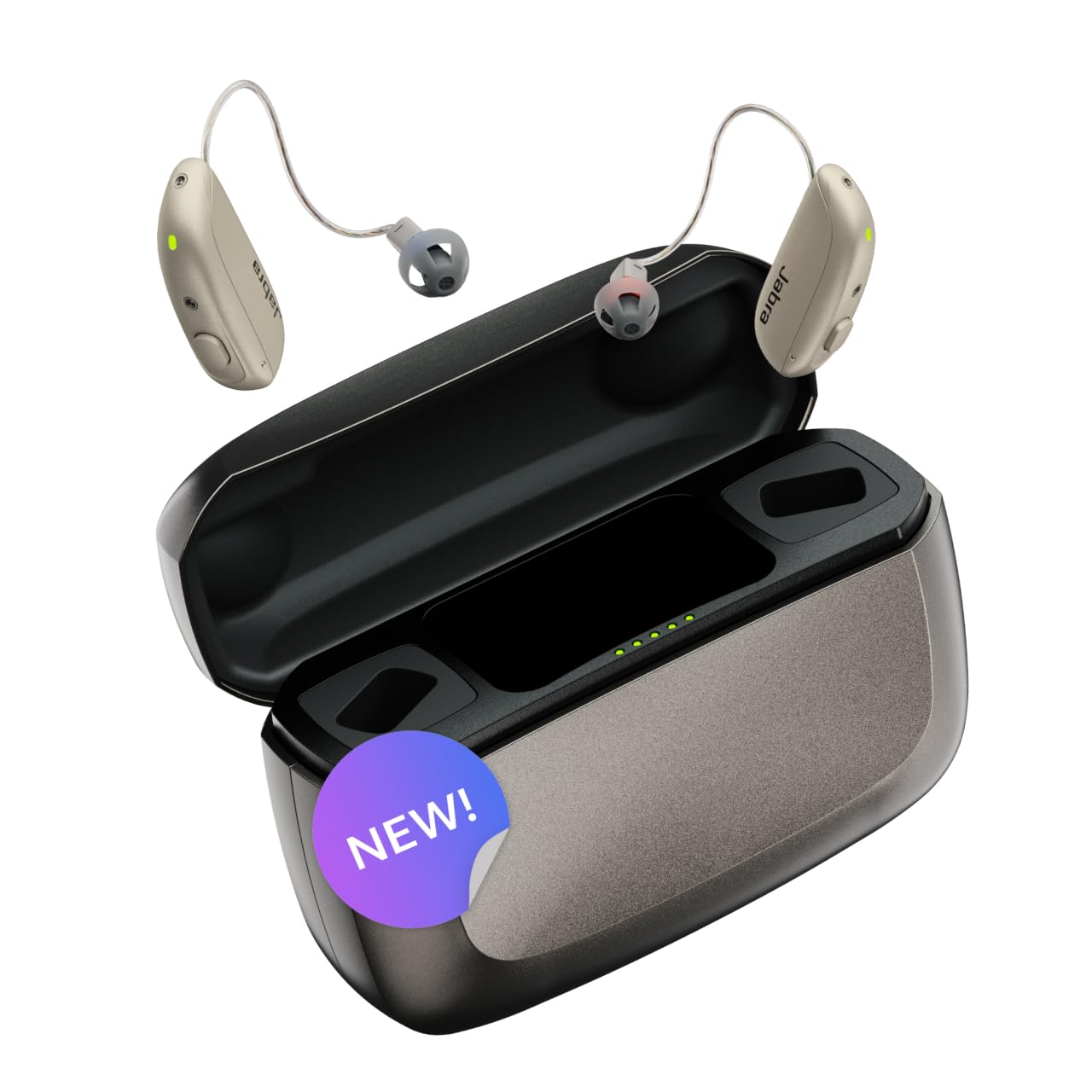
Jabra Enhance Select 300
Check price on AmazonEargo 7
Check price on AmazonLexie B2 Powered by Bose
Check price on AmazonSony CRE-C10
Check price on AmazonOver-the-counter hearing aids became a real category in 2022, when the FDA allowed adults with mild to moderate hearing loss to buy real hearing aids without a prescription or audiologist visit. That's a different product than the cheap "sound amplifiers" sold on Amazon — OTC hearing aids go through FDA review and use actual hearing-aid processing, not just volume boosting. After comparing the current OTC lineup, our top pick is the Jabra Enhance Select 300 for its remote audiologist support, with the Eargo 7 the best choice for anyone who wants their hearing aids to be nearly invisible.
Our top picks
Jabra Enhance Select 300 — Best Overall
The Select 300 pairs a behind-the-ear hearing aid with access to licensed hearing professionals who can remotely fine-tune the fit through the app — you get real audiologist support without an in-person visit. It's a good middle ground between a bare-bones OTC device and a full clinical hearing aid, and it's the one we'd point most seniors toward first.
Check price on AmazonJabra Enhance Select 300
Eargo 7 — Most Discreet
Eargo's design sits almost entirely inside the ear canal and is rechargeable, so there are no batteries to change and almost nothing visible when worn. Fitting is self-guided through the app using flexible silicone tips rather than a mold, which works well for mild-to-moderate loss but isn't adjustable enough for anyone whose hearing has dropped further.
Lexie B2 Powered by Bose — Best Value
Built on Bose's hearing aid technology, the Lexie B2 is self-fitting through a guided in-app hearing test and typically costs less than Jabra or Eargo while still using genuine hearing-aid sound processing. It's sold at major retailers like Best Buy, which makes in-person help easy to find if the app alone isn't enough.
Sony CRE-C10 — Easiest to Find
Sony's OTC hearing aids are sold in ordinary pharmacies and electronics stores, not just online, which matters for a senior who'd rather hold the box and talk to a person before buying. The C10 is a simpler, fixed-fit model — less customizable than the app-based options above, but very easy to set up out of the box.
OTC hearing aids vs. sound amplifiers — don't confuse the two
Amazon is full of "personal sound amplifiers" for $30–$60 that look like hearing aids but aren't. They boost all sound indiscriminately, including background noise, and aren't reviewed by the FDA for treating hearing loss. A real OTC hearing aid — like the ones above — is registered with the FDA as a hearing aid and processes sound differently for speech clarity. If a listing doesn't say "FDA-registered OTC hearing aid," it's probably just an amplifier, and worth skipping if the goal is genuinely better hearing rather than just louder sound.
Who should skip OTC and see an audiologist instead
OTC hearing aids are only intended for adults with self-perceived mild to moderate hearing loss. Anyone with sudden hearing loss, hearing loss in only one ear, pain, drainage, or dizziness alongside hearing changes should see a doctor first — those can be signs of something an OTC device won't fix and may even mask.
What to look for in an OTC hearing aid
- A real in-app or in-store hearing test: The device should tune itself (or be tuned) to your actual hearing profile, not just offer a single volume dial.
- Rechargeable batteries: Tiny disposable hearing aid batteries are fiddly for arthritic hands — rechargeable models are far easier to live with day to day.
- A meaningful return window: Look for at least 45 days to test the device in real environments — restaurants, phone calls, outdoors — before committing.
- Access to a real person: Even a self-fitting device benefits from phone or chat support when something doesn't sound right.
How to choose based on your situation
The best OTC hearing aid is the one matched to the specific person, not the highest-rated model in the abstract. Weigh a few things honestly before buying. First, the degree of loss: OTC devices are designed for self-perceived mild to moderate loss, so if conversation is a struggle even in a quiet room, that's a sign to get a hearing test and talk to an audiologist rather than self-treating. Second, dexterity and eyesight: tiny in-canal models are the most discreet but the fiddliest to insert and clean, which can be a real problem for arthritic hands or poor close vision — a slightly larger behind-the-ear style is often easier to handle day to day. Third, tech comfort: app-based, self-fitting models give the most control and the best results when someone (the wearer or a helper) is comfortable running a phone app, while a fixed-fit model bought off a pharmacy shelf asks almost nothing of the user. Fourth, who's helping: if an adult child will be involved, a model with remote support or remote adjustment lets them help without an in-person visit every time something sounds off.
Common mistakes to avoid
- Buying a \"sound amplifier\" by mistake. The cheap look-alikes on Amazon boost all sound, including background noise, and aren't FDA-registered hearing aids. Confirm the listing actually says \"FDA-registered OTC hearing aid.\"
- Skipping the fitting or hearing check. The whole advantage of a real OTC hearing aid over an amplifier is that it tunes to your hearing profile. Skipping the in-app or in-store fitting throws that advantage away.
- Giving up after a day or two. Hearing aids take a couple of weeks of daily wear for the brain to readjust to sounds it had stopped noticing. Judging them after one frustrating evening is a common reason people abandon devices that would have worked.
- Not using the return window. The trial period exists to test the device in real life — restaurants, phone calls, outdoors. Testing only in a quiet living room wastes it.
- Ignoring warning signs that need a doctor. Sudden loss, one-sided loss, pain, drainage, or dizziness are reasons to see a physician first, not to buy an OTC device.
Frequently asked questions
Are OTC hearing aids as good as prescription hearing aids?
For mild to moderate hearing loss, modern OTC hearing aids use genuine hearing-aid processing and can work nearly as well as a basic prescription device, at a fraction of the cost. For severe or complex hearing loss, a licensed audiologist and a custom-fitted prescription device still generally perform better.
Do I need a hearing test before buying an OTC hearing aid?
Not a clinical one. Most OTC hearing aids include their own in-app hearing check that adjusts the device to your hearing profile. It's still worth getting a baseline hearing test from a doctor first to rule out medical causes and confirm OTC is the right category for your level of loss.
How much do OTC hearing aids cost compared to prescription ones?
OTC hearing aids are generally priced well below prescription pairs, since they skip the audiologist visits and custom fitting built into traditional hearing aid pricing. Exact pricing changes often, so check current pricing directly on the manufacturer's site or Amazon rather than relying on an old number.
Can I return an OTC hearing aid if it doesn't work for me?
Reputable brands offer a trial period, typically 45 days or more, with a full refund if you return the device. Always confirm the return policy before buying, since it varies by retailer and brand.
Will insurance or Medicare cover OTC hearing aids?
Original Medicare doesn't cover hearing aids, OTC or otherwise, though some Medicare Advantage plans include a hearing aid allowance. Check your specific plan's benefits, and note that some plans only reimburse for devices bought through their approved network.
Worth noting: if the main daily struggle is hearing the TV specifically rather than conversation in general, a dedicated TV listening device for seniors solves that one problem directly, at a fraction of the cost of a hearing aid.
How long does it take to get used to OTC hearing aids?
Most people need one to two weeks of consistent daily wear to adjust. Sounds you'd stopped hearing — a refrigerator hum, your own footsteps — come back all at once and can feel overwhelming at first. Wearing the aids a little longer each day, rather than only for special occasions, helps the brain recalibrate. If they still sound wrong after a couple of weeks of steady use, that's the time to adjust the fit or use support, not to give up.
Can I wear one hearing aid instead of a pair?
If hearing loss is genuinely limited to one ear you might only need one, but most age-related hearing loss affects both ears fairly evenly, and two aids generally help the brain locate sound and understand speech in noise far better than one. That said, one-sided or sudden hearing loss is a reason to see a doctor before buying anything, since it can signal a medical issue an OTC device won't address.
Do OTC hearing aids help with tinnitus (ringing in the ears)?
Many people with tinnitus also have hearing loss, and simply hearing surrounding sound better can make the ringing less noticeable for some. OTC hearing aids aren't a tinnitus treatment, though, and persistent or bothersome tinnitus is worth raising with a doctor or audiologist rather than trying to self-treat with a device.
The bottom line
The days of choosing between expensive prescription hearing aids and useless drugstore amplifiers are over. The Jabra Enhance Select 300 gives most seniors real audiologist backup without an office visit, while the Eargo 7 is the pick for anyone who wants their hearing aids to disappear. Whatever you choose, confirm it's an FDA-registered OTC hearing aid and not just an amplifier before you buy, and use the return window to test it in real life, not just at home in a quiet room.
Vision loss and hearing loss often overlap. If reading a clock face has also become difficult, our talking clocks and watches guide covers models that announce the time, date, and day out loud.
Prefer a device that doesn't look like a hearing aid at all? Apple's AirPods Pro and Samsung's Galaxy Buds now offer an FDA-cleared hearing aid mode built into everyday earbuds — see our earbuds hearing aid feature comparison for how they stack up against a dedicated device like the ones above.
If the harder problem is a phone that buzzes or interferes with a hearing aid rather than everyday conversation, our hearing aid compatible cell phones guide covers which phones are actually tested and rated to work well with hearing aids, versus ones that just look senior-friendly.