Best Door & Window Alarms for Dementia Wandering (2026): Alerts That Don't Startle
The Alzheimer's Association estimates six in ten people living with dementia will wander at least once — a door alarm buys a caregiver the minutes between 'the door opened' and 'someone is outside alone,' and the right one alerts you, not them.
As an Amazon Associate I earn from qualifying purchases. We independently review products; buying through our links never costs you extra.
Best Overall
SMPL Alerts Wireless & Wearable Pager System
Quick picks
| Product | Best for | Amazon |
|---|---|---|
| SMPL Alerts Wireless & Wearable Pager System | Overall | Check price on Amazon |
| GE Choice Alert Wireless Alarm System | Simple, Budget Option | Check price on Amazon |
| CallTou Caregiver Pager Door Chime | Whole-House Coverage | Check price on Amazon |
| WSDCAM Magnetic Door & Window Alarm | Budget, Multi-Door Coverage | Check price on Amazon |

Our Top Picks
Chosen for seniors based on features, specs, and verified buyer reviews.

SMPL Alerts Wireless & Wearable Pager System
- Alerts go to a caregiver-worn pager, not a siren at the door
- Expandable to more door, window, or motion sensors
- No monthly monitoring fees
- Pager must be charged and kept with the caregiver to work
- Higher upfront cost than a basic local-alarm sensor
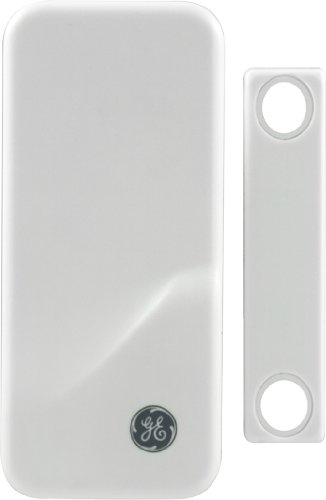
GE Choice Alert Wireless Alarm System
- Inexpensive, peel-and-stick install with no wiring
- Switch selects loud siren or softer window chime
- Good fit when a caregiver is almost always within earshot
- Siren sounds at the door itself, which can startle or agitate
- No pager or remote alert option

CallTou Caregiver Pager Door Chime
- Roughly 500-foot wireless range
- Ships with 2 sensors and 2 receivers, expandable
- Receiver offers light and vibration, not just sound
- More hardware and batteries to manage
- Initial pairing takes a few minutes per sensor

WSDCAM Magnetic Door & Window Alarm
- Inexpensive enough to cover every door and window
- Self-contained, no hub or app required
- Loud local alarm
- Local siren only, no pager or remote option
- Basic build quality — check batteries periodically
A GPS tracker tells you where someone went after they've already left the house. A door alarm is the step before that — it tells you the moment the door opens, while the person is still inside or just stepping out, when there's still time to walk over and redirect them before they're down the driveway or out of sight. For a household caring for someone with dementia, that few-minutes head start is often the entire difference between a calm redirection at the front hall and a frightening search of the neighborhood. Door alarms are cheap, most install with a strip of double-sided tape in under a minute, and unlike a GPS watch, there's nothing to remember to charge and put on a wrist that might get pulled off.
The one design decision that matters more than the brand
Before comparing products, it's worth understanding the split that actually separates a good pick from a poor one for this specific use: does the alarm sound at the door, where the person with dementia will hear it, or does it send a signal to a pager or receiver the caregiver carries elsewhere in the house? A siren mounted on the door itself is louder and cheaper, but it sounds right in front of the person who's confused and trying to leave — for many people with dementia, a sudden loud noise at the exact moment they're already anxious about finding an exit makes things worse, not better, sometimes triggering agitation or a faster attempt to get outside. A pager-based system keeps the alert private: the door sensor triggers silently (or with a soft click) at the door, and the actual alarm — a beep, vibration, or flashing light — happens on a small receiver clipped to the caregiver's belt or sitting on a nightstand upstairs. That system costs more and has another battery to manage, but it's the better match for anyone whose loved one gets distressed by loud sounds, which in dementia care is most people.
Who this is for, and who needs something different
These alarms are built for a specific stage: someone who can still walk to a door and open it, whose confusion makes them prone to leaving without realizing they're unsafe to do so alone, and who lives with or near a caregiver who can respond within a minute or two of an alert. If the person no longer attempts to leave the house, this isn't a priority purchase. If they're mobile, confused about time or location, and the household has had even one close call — someone found outside, a door left open overnight, wandering behavior noted by a doctor — this moves from optional to genuinely protective. It's also worth pairing with, not replacing, a wearable GPS tracker for the cases where a door alarm is missed or the person leaves through a window or garage door that isn't covered; see our GPS trackers for dementia guide for that second layer.
Our top picks
SMPL Alerts Wireless & Wearable Pager System — Best Overall
This is the pager-based option, and it's the right default recommendation because it gets the core design decision right: the alert goes to a small receiver the caregiver wears or keeps nearby, not a siren at the door itself. The base kit pairs a magnetic door sensor with a pager, and the system is expandable — additional door, window, or motion sensors can be added to the same base without buying a whole separate system, which matters if the plan is eventually covering more than one exit. There's no monthly monitoring fee; this is a local, self-contained alert system, not a subscription service. The tradeoff against the simpler options below is price and setup: there's a pager to keep charged, and the whole point of the system is undermined if the caregiver leaves the pager in another room or forgets to bring it upstairs at night.
Check price on AmazonSMPL Alerts Wireless & Wearable Pager System
GE Choice Alert Wireless Alarm System — Best Simple, Budget Option
This is the straightforward, siren-at-the-door version, and it's genuinely useful for a caregiver who is almost always home and within earshot — a spouse in the next room, for instance, rather than an adult child checking in remotely. It has a switch that lets you choose a loud 120-decibel alarm for doors versus a softer chime for windows, installs with the included double-sided tape with no wiring or drilling, and costs a fraction of a pager-based system. The real limitation is the one covered above: the alarm sounds right where the person with dementia is standing, which can startle or agitate rather than simply alert. It's a reasonable choice for early-stage confusion where the person isn't easily distressed by sound, or as a backup on a rarely-used door alongside a pager system on the main exit.
Check price on AmazonGE Choice Alert Wireless Alarm System
CallTou Caregiver Pager Door Chime — Best for Whole-House Coverage
CallTou's system covers more ground literally — its wireless range is rated to roughly 500 feet, enough to reach from a front door sensor to a receiver in a detached garage workshop or a large backyard, which the shorter-range options in this category can't always manage. The kit ships with two sensors and two receivers out of the box, so a two-door household is covered immediately, and it's expandable from there. The receiver alerts with a light and vibration option in addition to sound, which helps if the caregiver has some hearing loss themselves — a real, common situation in households where an older spouse is caring for an older spouse. The downside is simply more hardware to keep track of: more batteries, more pairing steps at setup, though pairing is a one-time task.
Check price on AmazonCallTou Caregiver Pager Door Chime
WSDCAM Magnetic Door & Window Alarm — Best Budget, Multi-Door Coverage
This is the option to reach for when the goal is covering every exterior door and window in the house without a large budget — it's inexpensive enough to buy six or eight of them and put one on literally every door and ground-floor window, which a pager-based kit's per-sensor cost usually doesn't allow. Each unit is a self-contained magnetic alarm: separate the two magnetic halves by opening the door, and it sounds its own local alarm immediately, no hub or app required. That local-alarm-only design is also its limitation — like the GE option, it startles rather than quietly alerts, and it only helps if someone is close enough to hear it. Build quality is basic compared to the pager systems, so it's worth testing each unit's alarm and battery contact when it arrives, and again every few months.
Check price on AmazonWSDCAM Magnetic Door & Window Alarm
Where to actually put the sensors
Cover the exits in the order they're actually used. The front door and any door leading directly to a garage or driveway come first — these are the most common exit points and the ones with the shortest path to a street. Next is any door to a backyard or patio that isn't fenced or gated, since an unfenced yard offers a quick, unsupervised path off the property. Ground-floor windows large enough for someone to climb through are next, particularly in a bedroom, since nighttime wandering often starts with a window rather than a door the caregiver would more likely hear. A door to a basement or an attached garage that itself has an exterior exit is easy to forget and shouldn't be — a workshop or garage side door is a common overlooked wandering route precisely because it doesn't feel like a main exit to family members setting up the system.
Common mistakes worth avoiding
The most common mistake is buying one alarm for the front door and stopping there, when the person with dementia may use a side door, a garage door, or a bedroom window just as easily — cover every plausible exit, not just the obvious one. The second is choosing a loud siren-at-the-door model for someone who's easily startled or agitated by sound, which can turn a calm redirection into a distressing scene; if there's been any history of sundowning or agitation, start with a pager-based system instead. The third is treating the alarm as a complete solution rather than one layer — a door alarm tells you the moment someone starts to leave, but a caregiver still needs a plan for what happens next, including how quickly someone can respond and what a GPS tracker or ID bracelet adds as backup if a door is missed.
Troubleshooting and safety notes
False alarms are usually a sensor mounted too far from its magnet — most magnetic sensors need the two halves within about half an inch to a inch of each other when the door is closed, so a door that's slightly warped or a frame that's shifted with the seasons can trigger nuisance alerts; repositioning the magnet half usually fixes it. If a pager stops receiving alerts, check the obvious things first — battery level on both the sensor and the receiver, and that they haven't drifted out of pairing range, which happens more than people expect in a larger house with thick interior walls. It's worth testing the full system monthly: open the monitored door and confirm the alert actually reaches wherever the caregiver is at that moment, not just that it beeps at the sensor itself. And keep a spare set of batteries on hand for every unit in the house — these systems only protect anyone while they're actually powered and armed, and a dead battery discovered after an incident is the worst time to find out.
Frequently asked questions
Will a door alarm alone stop someone from leaving?
No — it alerts a caregiver that someone is trying to leave, it doesn't physically stop them. For a household that needs an actual physical barrier in addition to an alert, a keyed deadbolt placed higher or lower than someone would normally look, or a door chain, adds a delay; our smart locks guide covers keyless entry options, though for wandering prevention specifically a simple, non-smart secondary lock the person doesn't recognize as a lock is often what geriatric care specialists actually recommend.
Does this replace a wearable GPS tracker?
They solve different problems. A door alarm catches the moment before someone leaves; a GPS tracker helps find them if a door alarm is missed, ignored in the moment, or the person exits somewhere uncovered. Most families dealing with a real wandering risk eventually use both — see our guide to GPS options for someone who won't reliably wear a device if that's also a concern.
Are these covered by insurance or Medicare?
Generally no — these are simple consumer safety devices, not durable medical equipment, so they're an out-of-pocket purchase in the $15-60 per unit range depending on the system. Some long-term care insurance policies with a home-safety-modification benefit will reimburse them; it's worth checking the specific policy rather than assuming either way.
The bottom line
Start with the SMPL Alerts pager system on the main exit if the person has any history of agitation around loud sounds — it's the option built around the actual clinical guidance of alerting the caregiver quietly rather than the person loudly. If budget is the main constraint and the caregiver is reliably within earshot, the GE Choice Alert or a handful of WSDCAM units covering every door and window gets solid coverage for very little money. A larger home or property benefits from CallTou's longer range. Whichever system goes in, treat it as one layer of a broader plan — see our digital day clocks for dementia guide and robotic companion pets guide for other tools that reduce confusion and agitation, which in turn reduces how often wandering happens in the first place.


