Best Smartwatches for Heart Health & AFib Detection for Seniors (2026)
A handful of smartwatches include an FDA-cleared ECG that can flag signs of atrial fibrillation from the wrist. They can't diagnose anything on their own, but for someone with a cardiologist-flagged risk, an early nudge to get checked matters. Here's what actually has clinical backing versus what's just a wellness estimate.
As an Amazon Associate I earn from qualifying purchases. We independently review products; buying through our links never costs you extra.
Best Overall (iPhone Required)
Apple Watch Series 11
Quick picks
| Product | Best for | Amazon |
|---|---|---|
| Apple Watch Series 11 | Overall (iPhone Required) | Check price on Amazon |
| Samsung Galaxy Watch 7 | Android/Samsung Phone Owners | Check price on Amazon |
| Withings ScanWatch 2 | Hybrid (Analog Look, Long Battery Life) | Check price on Amazon |
| Fitbit Sense 2 | Broader Wellness Tracking Alongside Heart Health | Check price on Amazon |

Our Top Picks
Chosen for seniors based on features, specs, and verified buyer reviews.
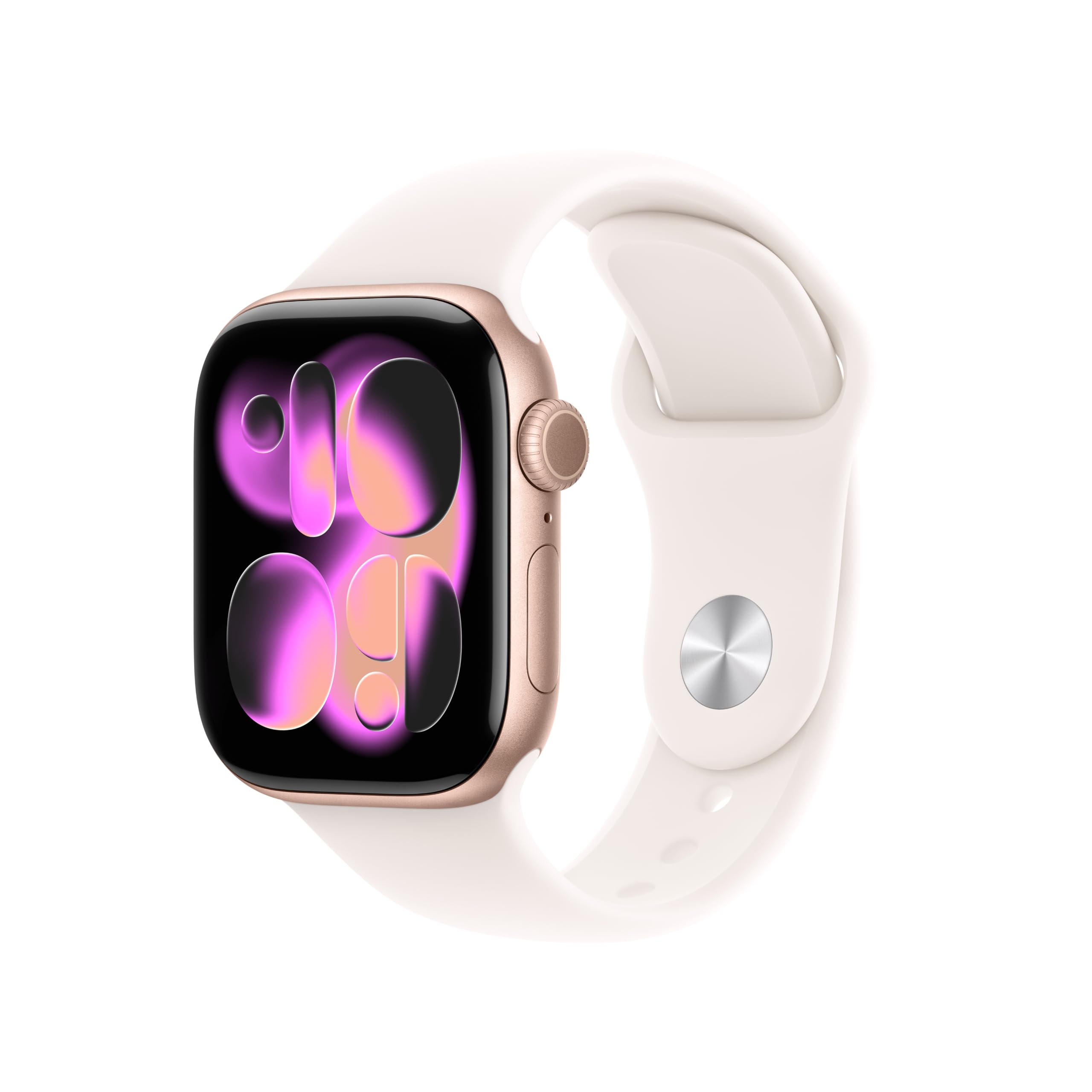
Apple Watch Series 11
- FDA-cleared ECG app with the largest body of clinical validation of any consumer smartwatch
- Irregular rhythm notifications run passively in the background
- Cellular models can call for help without the phone nearby
- Requires an iPhone — the ECG app doesn't work paired to Android
- Premium price, especially with a cellular plan added

Samsung Galaxy Watch 7
- FDA-cleared ECG with AI-assisted rhythm analysis
- Requires a Samsung Galaxy phone specifically, but integrates deeply with it
- Comfortable, lighter build than some competitors for all-day wear
- ECG feature is Samsung-phone-specific, not just any Android phone
- Samsung Health app has a steeper learning curve than Apple's Health app

Withings ScanWatch 2
- Looks like a traditional analog watch rather than an obvious smartwatch
- Multi-week battery life instead of the daily charging most touchscreen watches need
- FDA-cleared ECG without the complexity of a full touchscreen interface
- Small hidden display shows less at-a-glance information than a touchscreen watch
- Fewer notification and app features than Apple Watch or Galaxy Watch
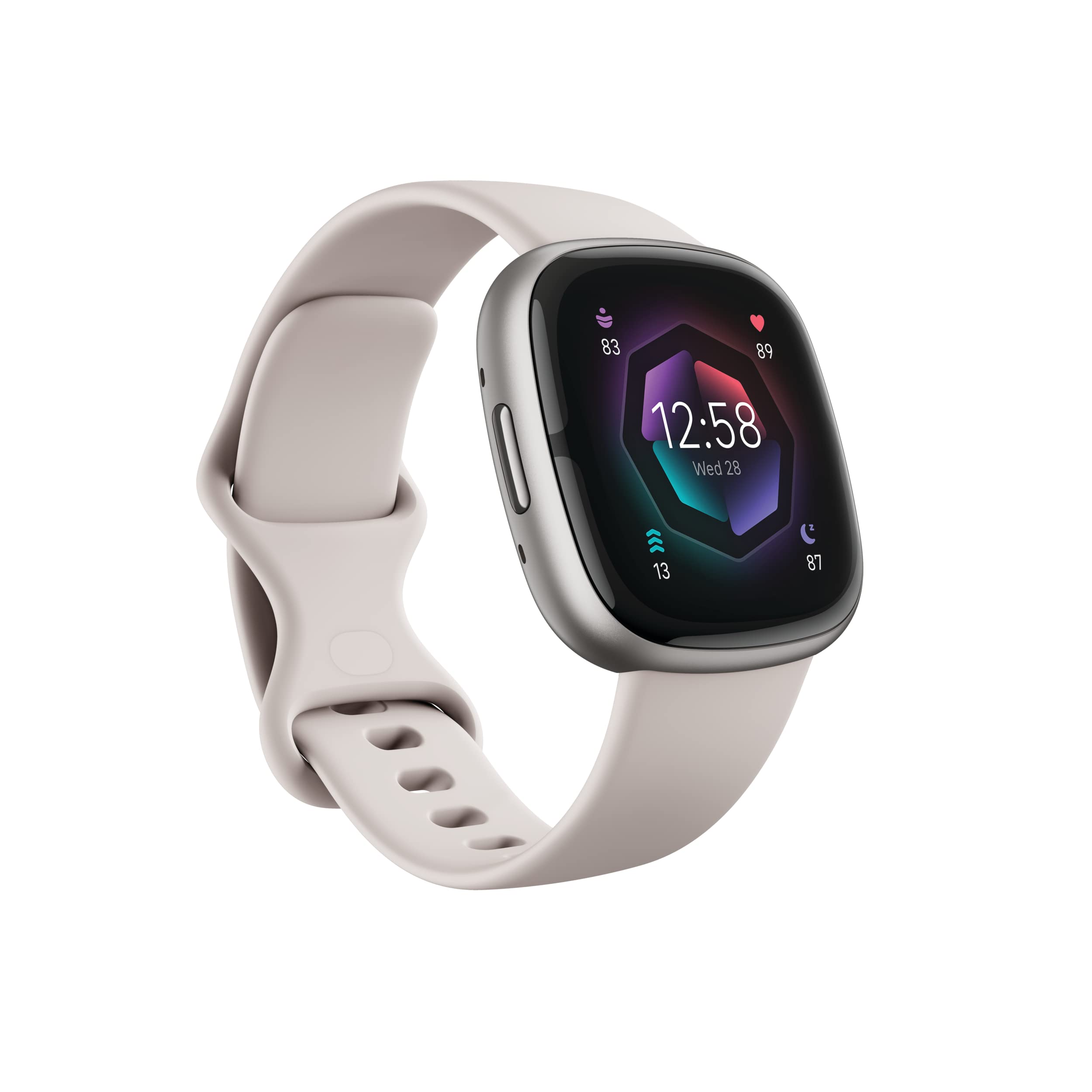
Fitbit Sense 2
- FDA-cleared ECG plus stress-tracking sensors most competitors don't include
- Works with both iPhone and Android, unlike the Apple Watch or Galaxy Watch ECG features
- Simpler interface than a full smartwatch, closer to a fitness band
- Fewer third-party apps than Apple Watch or Galaxy Watch
- Some advanced health metrics require a paid Fitbit Premium subscription
What "ECG on a Watch" Actually Means
A small number of smartwatches include a true single-lead ECG sensor — the same underlying measurement a doctor's ECG takes, just from one lead instead of twelve, and taken by pressing a finger to the watch's crown or bezel for about 30 seconds rather than being hooked up to a machine. That's different from the passive heart-rate irregularity notifications many more watches offer, which just flag an irregular rhythm pattern from the optical heart-rate sensor and don't produce an actual ECG reading. Both can be useful, but they're not the same feature, and product listings aren't always clear about which one a given watch has.
Our Top Picks
These four have documented FDA clearance for on-device ECG and AFib history features, evaluated for how usable that feature actually is for an older adult day to day, not just whether the spec sheet lists it.
An Important Limit, Stated Plainly
None of these watches diagnose atrial fibrillation. What they do is flag a pattern worth showing to a doctor, who then confirms or rules it out with a proper clinical ECG or a longer-duration Holter monitor. Treat a watch's AFib notification the way you'd treat a smoke detector chirp — a reason to go check, not a diagnosis in itself. Anyone with a pacemaker or other implanted cardiac device should check with their cardiologist before relying on wrist-based ECG readings, since accuracy for that group hasn't been validated the same way.
Platform Lock-In Is the Real Deciding Factor
Apple Watch's ECG app requires an iPhone; Samsung's ECG feature requires a Samsung Galaxy phone. This matters more than any spec comparison — buying an Apple Watch for someone with an Android phone (or vice versa) means the ECG feature simply won't be available, no matter how good the hardware is. Confirm the phone first, then pick the watch that pairs with it.
If Budget Rather Than Platform Is the Constraint
These four run well above what a basic fitness band costs. If the goal is general activity and sleep tracking rather than a specific cardiologist-flagged AFib concern, our budget smartwatches guide covers capable options under $100 — just know that tier skips ECG entirely, and our guide to smart rings for seniors covers a screen-free option for resting heart rate and sleep trend tracking specifically, for someone who'd rather not deal with a watch strap at all. And if the bigger worry is a fall with nobody around rather than heart rhythm specifically, our fall detection devices guide covers cellular SOS features these heart-focused picks may or may not include.
What to Look for Beyond the ECG Sensor
Two watches can both list "FDA-cleared ECG" on the box and still be very different to live with. For an older adult, the day-to-day usability of the feature matters as much as whether it exists at all. A few things are worth weighing before spec sheets:
- How the reading is started. Taking an ECG means holding a fingertip against the crown or bezel and staying still for around half a minute. On a small touchscreen watch, finding and launching that app can be a hurdle for someone with tremor, arthritis, or limited vision. A watch where the reading is one clear tap away gets used; one buried three menus deep does not.
- Display readability. A large, high-contrast screen with an always-on option is far easier to read at a glance, especially outdoors or with aging eyes. Some hybrid models trade a full touchscreen for a small hidden display, which looks elegant but shows less at once.
- Band comfort and fit. The ECG only works if the watch is actually worn all day, and a band that pinches or irritates skin ends up in a drawer. Look for adjustable or swappable bands, and consider a fabric or silicone loop for sensitive skin.
- Sharing with family and doctors. Most of these watches can export a reading as a PDF or share it through the phone's health app. That is genuinely useful when a son, daughter, or caregiver helps manage appointments, or when a doctor wants to see a captured event rather than hear it described.
- Charging routine. A touchscreen watch usually needs daily charging; a hybrid can run for weeks. If a nightly charge is likely to be forgotten, a longer-lasting model keeps the feature available when it matters.
How to Choose the Right One for Your Situation
The best watch depends less on which has the longest feature list and more on the person wearing it. A few honest questions narrow it down quickly:
What phone is already in the house? This is the first and biggest filter, because the ECG feature is tied to the phone platform. An iPhone points to Apple Watch; a Samsung Galaxy phone points to the Galaxy Watch; a mixed or non-Samsung Android household points toward a watch whose ECG works across phones. Buying the wrong pairing wastes the entire reason for the purchase.
Who will read the data? If the wearer is comfortable with a smartphone, a full-featured watch and its companion app make sense. If a family member or caregiver will actually manage the readings and appointments, choose the watch that shares data most easily into an app that person already uses.
How tech-comfortable is the wearer? Someone new to smartwatches is often better served by a simpler interface with fewer watch faces and menus, even if it means giving up some features. Overwhelm leads to a device that gets ignored.
Is heart rhythm the only concern, or is a fall the bigger worry? If falls are the real fear, prioritize a model with well-tested fall detection and emergency calling, not just the best ECG.
How to Take a Reliable ECG Reading
A wrist ECG is only as good as the technique behind it. A few simple habits make the difference between a clean, usable trace and a noisy one that has to be repeated:
- Sit down and rest first. Take the reading seated, with the forearm supported on a table or armrest rather than held in the air. A supported, relaxed arm reduces muscle noise.
- Keep still and quiet. Do not talk, and try not to move the hand during the countdown. Movement is the most common cause of an "inconclusive" result.
- Make good contact. Rest the fingertip firmly but gently on the crown or sensor, and make sure the watch is snug on the wrist, not sliding loosely. Dry, very cold hands can weaken the signal, so warming them first can help.
- Wear it on the recommended wrist. Follow the setup guidance for which wrist and orientation the watch expects, since the reading assumes a specific hand position.
- Repeat if unsure. If a reading comes back inconclusive, rest a moment and try again rather than assuming something is wrong. A single odd result is rarely meaningful on its own.
Common Mistakes to Avoid
- Buying the wrong platform. The single most expensive mistake is pairing the watch with a phone it does not support for ECG. Confirm the phone before anything else.
- Treating a notification as a diagnosis. An AFib alert is a prompt to get checked, not a verdict. Do not start, stop, or change any medication based on a watch reading.
- Panic over a single reading. One irregular result, especially after movement or during a poor-contact reading, is not an emergency by itself. A pattern over time is what matters.
- Skipping charging. A dead battery means no monitoring. Building a consistent charging habit, or choosing a longer-lasting model, keeps the feature available.
- Ignoring symptoms because the watch looks fine. These devices can miss events between readings. Chest pain, fainting, or severe shortness of breath are reasons to seek care regardless of what the watch shows.
When to Talk to Your Doctor
These watches are screening conveniences, not medical care, and they do not replace a professional evaluation. Bring any repeated AFib flags, saved ECG traces, or a run of irregular-rhythm notifications to a doctor, who can confirm or rule things out with a proper clinical ECG or a longer-duration monitor. Seek urgent care for chest pain, severe breathlessness, fainting, or sudden weakness or trouble speaking, none of which should wait on a watch reading. Anyone with a pacemaker or other implanted cardiac device should ask their cardiologist before relying on wrist-based ECG at all, since accuracy for that group has not been validated the same way. The goal of one of these watches is simply to get the right people looking at the right data sooner, and every reading it produces is a starting point for a medical conversation rather than the end of one.
Frequently Asked Questions
Does Medicare or insurance cover any of these watches?
Generally no — these are consumer wellness devices, not prescribed medical equipment, so they're typically an out-of-pocket purchase regardless of insurance. Some HSA or FSA plans allow the purchase; check the specific plan's rules rather than assuming either way.
How often should someone actually take an ECG reading?
There's no universal schedule — follow a cardiologist's specific guidance if one has been given. Absent that, most people use it reactively, when they notice symptoms like a racing or fluttering heartbeat, rather than on a fixed daily routine.
Can a smartwatch replace a Holter monitor prescribed by a doctor?
No. A prescribed Holter or extended cardiac monitor records continuously through medical-grade electrodes over days or weeks and is used specifically because it catches events a spot-check watch reading might miss. A watch is a screening convenience, not a replacement for a monitor a cardiologist has specifically ordered.
Do these watches work for someone with very thin or fragile skin?
The ECG reading itself just needs a finger on the crown, which doesn't stress the skin — but the band worn continuously can still cause irritation on fragile skin over time. A fabric or looser-fit band, and taking it off for an hour daily, helps the same way it does with any wearable.
What's the difference between AFib history and an irregular rhythm notification?
AFib history is built from a series of on-demand ECG readings the wearer actively takes and logs over time. An irregular rhythm notification is passive — the watch monitors in the background and alerts if it repeatedly detects an irregular pattern, without the wearer doing anything. The two features often work together but aren't interchangeable.
Will a smartwatch catch AFib that comes and goes?
Not reliably on its own. On-demand ECG readings only capture the moment they are taken, so an intermittent rhythm can easily happen between readings. Passive irregular-rhythm notifications improve the odds by monitoring in the background, but neither is a substitute for a doctor-ordered continuous monitor when episodes are suspected but hard to catch.
Is a smartwatch or a blood pressure cuff the better tool for heart concerns?
They measure different things and are not interchangeable. A watch's ECG looks at heart rhythm, while a cuff measures blood pressure. Many seniors managing heart health use both. If the concern a doctor raised is high blood pressure rather than rhythm specifically, a validated upper-arm cuff is the more relevant device.
Can two people share one ECG-capable watch?
It is not designed for that. These watches build a personal health history tied to one wearer and one paired phone, so readings from a second person would mix into the first person's records. Each person who wants to track their own heart data needs their own watch and account.
How accurate is the AFib feature compared to a doctor's ECG?
A wrist ECG uses a single lead rather than the twelve leads of a clinical ECG, so it captures far less detail and is meant for screening, not diagnosis. It can flag a pattern worth investigating, but a doctor's equipment and interpretation are what confirm whether AFib is actually present.
The Bottom Line
For a senior with a real, cardiologist-flagged reason to watch for AFib, an ECG-capable smartwatch adds a genuinely useful early-warning layer — but only within its platform (Apple Watch needs an iPhone, Samsung needs a Galaxy phone), and only as a prompt to seek real medical evaluation, never as the evaluation itself. If the platform choice itself is still undecided, see our Apple Watch vs. Samsung Galaxy Watch comparison for how their ECG and fall-detection features actually differ.

